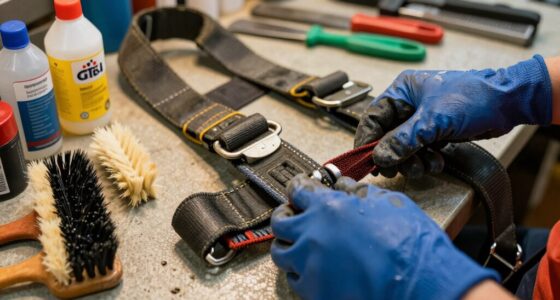

To save using the sharing economy, start by sharing or borrowing tools, equipment, and skills through local platforms or social media groups. Barter with neighbors to exchange services or items, building trust and stronger community bonds. These strategies reduce costs, promote sustainability, and foster mutual support. By embracing resource sharing, you not only save money but also strengthen relationships, creating a more connected and resourceful neighborhood—discover more ways to maximize your sharing potential below.

Get your next haul delivered free with Prime
- Fast, free delivery on millions of items
- Prime Video, Amazon Music and more included
- Member-only deals all year
Key Takeaways
- Use local online platforms or apps to easily share, borrow, and barter tools and resources within your community.
- Offer your skills or items in exchange for others’ offerings, creating a mutually beneficial barter system.
- Build trust by setting clear expectations, respecting shared items, and maintaining transparent communication.
- Participate actively in community events and social media groups to strengthen relationships and resource sharing networks.
- Prioritize sustainable consumption by borrowing or sharing instead of purchasing new items, saving money and reducing clutter.

Have you ever wondered how to get the most out of the sharing economy? It’s a smart way to save money, reduce waste, and connect with your community. One of the easiest ways to do this is through peer-to-peer lending. Instead of relying solely on banks or traditional lenders, you can borrow money directly from individuals who want to lend spare cash. This often means lower interest rates and more flexible terms. Plus, it’s a great way to support someone else’s financial goals. When you participate in peer-to-peer lending, you become part of a community that trusts and helps each other. It’s not just about money, though; it’s also about sharing resources and knowledge. You might find yourself lending or borrowing items like tools or equipment, which leads to community tool sharing. This practice allows neighbors to access what they need without buying new, expensive items. Whether it’s a power drill, lawnmower, or camping gear, community tool sharing reduces clutter and saves money. You get to enjoy the benefits of having access to a variety of tools without the full cost or storage worries. Engaging in peer-to-peer lending and community tool sharing creates a sense of trust and cooperation that strengthens your neighborhood. You’ll start to see your community as a resource hub, where everyone pitches in and benefits. To get started, look for local online platforms or apps dedicated to these exchanges. Many communities have dedicated groups on social media or websites where members list items they’re willing to lend or borrow. When you join these groups, it’s important to set clear expectations about conditions, timing, and responsibilities. Being transparent and respectful encourages others to participate and keeps the system running smoothly. You might also consider offering your skills or possessions in exchange for what others can provide. This barter-style approach is a core part of the sharing economy and helps you stretch your resources further. Remember, the key is to be proactive—ask around, offer your own items, and be willing to help out your neighbors. The more you engage, the more you’ll discover how powerful and beneficial community sharing can be. It’s not just about saving money; it’s about building relationships, fostering trust, and creating a sustainable way to meet everyday needs. By embracing peer-to-peer lending and community tool sharing, you turn simple transactions into opportunities for connection and mutual support. So, take that first step, and see how much your community has to offer when you start sharing, borrowing, and bartering. Additionally, participating in spiritual practices like meditation can enhance your overall well-being, helping you stay centered and mindful as you engage in community activities.
As an affiliate, we earn on qualifying purchases.
Frequently Asked Questions
How Do I Verify Trustworthiness of New Sharing Economy Contacts?
To verify trustworthiness of new sharing economy contacts, start with trustworthiness verification by checking their profiles and reviews. Look for consistent positive reputation assessment from other users, and read detailed feedback to spot any red flags. You can also confirm their identity through platform verification features or social media links. Trustworthy contacts often have verified profiles, high ratings, and transparent histories, so prioritize these indicators to guarantee safe and reliable exchanges.
What Safety Precautions Should I Take When Borrowing Items?
When borrowing items, always inspect them thoroughly for damage and ask about insurance tips to cover potential accidents. Set clear expectations with the owner about proper use and damage prevention. Use your own protective gear if needed, and document the item’s condition before and after borrowing. Staying cautious helps you avoid costly damages and ensures a smoother sharing experience while reducing risks.
Are There Legal Considerations for Bartering Services Locally?
Think of bartering as dancing to a new tune—you gotta know the steps. Yes, there are legal considerations, like contract regulations and liability concerns, to keep in mind locally. You should draft clear agreements to outline expectations and protections, ensuring both parties are on the same page. Checking local laws and possibly consulting a legal expert helps prevent future missteps, making your barter dance smooth and worry-free.
How Can I Protect My Personal Information During Exchanges?
To protect your personal information during exchanges, prioritize privacy concerns and data security. Use trusted platforms with strong security measures, and avoid sharing unnecessary details. Set clear boundaries about what info you’re comfortable sharing, and consider using secure messaging apps. Always verify the other person’s identity beforehand, and be cautious of scams. By taking these steps, you safeguard your privacy while enjoying the benefits of sharing economy hacks.
What Are the Best Platforms for Niche Sharing Communities?
Think of niche sharing communities like hidden gems waiting to be discovered. Specialized platforms such as Fat Llama for equipment, Peerby for local borrowing, and Swap.com for clothing connect you directly with niche communities. These platforms are tailored to specific interests, making it easier for you to share, borrow, or barter within your passion. Immerse yourself in these specialized platforms to enjoy a more personalized and trustworthy sharing experience.
As an affiliate, we earn on qualifying purchases.
Conclusion
By embracing sharing economy hacks, you effortlessly turn everyday moments into opportunities to save and connect. Imagine strolling through your neighborhood, swapping tools or borrowing a neighbor’s bike, feeling a sense of community grow around you. It’s like a gentle breeze guiding you toward smarter choices, where every exchange sparks a new possibility. When you share, borrow, and barter, you not only save money but weave a richer, more connected life—one small act at a time.
As an affiliate, we earn on qualifying purchases.
As an affiliate, we earn on qualifying purchases.
Halloween Picks
halloween
As an affiliate, we earn on qualifying purchases.