Including a budget for self-care and fun is essential because it supports your mental health, reduces stress, and boosts emotional well-being. When you set aside specific funds, you can enjoy activities like hobbies, outings, or relaxation without guilt or financial strain. This balanced approach helps prevent burnout and keeps your life enjoyable. Keep exploring ways to make self-care a natural part of your financial plan for a healthier, happier you.
Key Takeaways
- Allocating funds for self-care and fun promotes mental health and reduces stress.
- Including these expenses creates financial boundaries, preventing guilt and overspending.
- Budgeting encourages intentional spending, balancing savings with enjoyable activities.
- Supporting social activities through budgeting enhances relationships and emotional well-being.
- Planning for self-care and fun ensures a balanced lifestyle, contributing to overall happiness and wellness.
Have you ever felt guilty about spending money on self-care or fun activities? Many people do, especially when they’re trying to stick to a strict budget. But here’s the truth: allocating funds for leisure activities and self-care isn’t just a luxury—it’s essential for your mental health. When you ignore these areas, stress builds up, anxiety rises, and your overall well-being can suffer. Incorporating a dedicated budget for these activities guarantees you nurture yourself without feeling guilty or overspending.
Budgeting for self-care and fun isn’t about splurging recklessly; it’s about recognizing their importance and planning accordingly. When you set aside a specific amount of money each month for leisure activities, you create a financial boundary that supports your mental health. This might include anything from a yoga class to a movie night, or a weekend getaway. By doing so, you give yourself permission to enjoy life’s little pleasures without guilt or financial strain. Having this financial flexibility helps prevent the feeling that self-care is a cost you can’t afford, making it easier to prioritize your mental well-being.
Including leisure activities in your budget also encourages you to be intentional about how you spend your money. Instead of impulsively grabbing a snack or skipping out on activities that lift your spirits, you plan ahead. This planning helps you strike a balance between saving and spending, so you don’t feel deprived or overwhelmed. When your budget accounts for these activities, it becomes clear that taking time for yourself is a necessary part of a sustainable lifestyle. It supports your mental health by reducing stress and providing a break from daily pressures. You’re more likely to stick to your financial goals when you see that self-care and fun are valued parts of your overall plan.
Moreover, budgeting for leisure activities can improve your relationships and social life. Whether it’s dining out with friends or attending a hobby class, these experiences foster connection and happiness. When you consciously allocate money for these moments, you’re actively investing in your emotional well-being. It’s a way to show yourself that you deserve happiness and relaxation. Over time, this approach not only makes your expenses more manageable but also reinforces a healthy mindset where self-care isn’t an afterthought but an integral part of your financial plan. Remember, prioritizing mental health through thoughtful budgeting isn’t just good for your wallet—it’s good for your mind, body, and overall happiness. Additionally, understanding contrast ratio and its impact on image quality can help you select the right visual tools to enhance your relaxation and entertainment experiences at home.
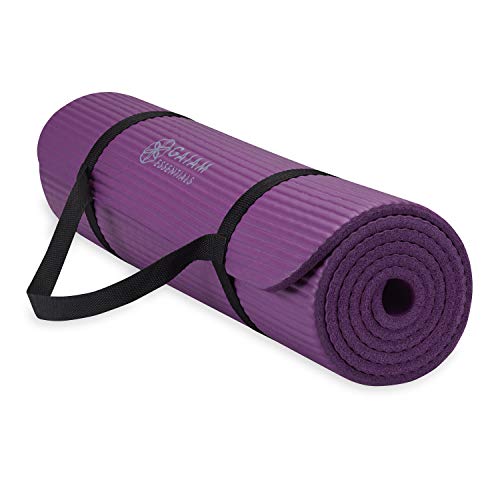
Gaiam Essentials Thick Yoga Mat Fitness & Exercise Mat with Easy-Cinch Carrier Strap, Purple, 72"L X 24"W X 2/5 Inch Thick, 10mm
Extra-Thick Cushioning for Joint Comfort : Made with 10mm (2/5") high-density NBR foam, this mat delivers plush cushioning…
As an affiliate, we earn on qualifying purchases.
As an affiliate, we earn on qualifying purchases.
Frequently Asked Questions
How Can I Balance Self-Care Costs With Essential Expenses?
You can balance self-care costs with essential expenses by prioritizing cost-effective hobbies and applying smart budgeting tips. Start by tracking your spending to identify areas where you can cut back, then allocate a specific amount for self-care. Look for free or inexpensive activities that promote relaxation, and set a monthly limit. This way, you enjoy self-care without sacrificing your essential expenses or financial stability.
What Are Affordable Ways to Enjoy Fun Activities?
Did you know that 70% of people find free activities just as enjoyable as paid ones? To enjoy fun activities affordably, explore free options like parks, community events, or online classes. Use budget hacks such as coupon codes or off-peak discounts. You can have a great time without overspending by being creative and resourceful, making fun a regular part of your self-care without breaking the bank.
How Much Should I Allocate Monthly for Self-Care?
You should allocate about 5-10% of your monthly income for self-care. This allows you to enjoy luxury indulgences and maintain effective self-care routines without overspending. Consider setting aside a specific amount for relaxing activities, spa days, or skincare products. By budgeting intentionally, you guarantee self-care remains a priority, helping you recharge and stay balanced while enjoying the benefits of well-planned indulgences.
Are There Budget-Friendly Self-Care Options I Haven’t Considered?
Yes, there are plenty of budget-friendly self-care options you might not have considered. Try DIY treatments like homemade face masks or relaxing bath salts to save money. Also, explore outdoor activities such as walking, hiking, or picnicking in the park, which boost your mood and require little to no expense. These options help you prioritize self-care without breaking the bank, making your routine more sustainable and enjoyable.
How Do I Track My Spending on Self-Care and Fun?
Tracking your spending on self-care and fun is like keeping a diary of your happiness. You can use expense tracking apps or a simple spreadsheet to monitor your spending habits. Set a specific budget for these activities, then record every expense. Review it weekly to see where your money goes, helping you stay balanced and mindful. This way, you guarantee your self-care remains affordable and enjoyable without overspending.

Nekteck Shiatsu Neck Massager with Heat for Pain Relief Deep Tissue, 2026 Upgraded 3D Back Shoulder Kneading Massage Pillow, Body Muscle Relaxation Tool Gifts for Him Her Mom Dad, Gray (NOT Cordless)
16 Deep Tissue Shiatsu Massage Nodes for Powerful Relief: This Nekteck shiatsu neck massager features 16 deep-kneading massage…
As an affiliate, we earn on qualifying purchases.
As an affiliate, we earn on qualifying purchases.
Conclusion
So, go ahead and budget for self-care and fun—because ignoring your happiness might save money today, but burnout and regret will cost you so much more tomorrow. Ironically, investing in joy isn’t a luxury; it’s a necessity. Don’t wait until you’re drained and overwhelmed to realize that you can’t pour from an empty cup. Prioritize yourself now, and watch how your life becomes richer, even in the smallest, most affordable ways.

Rolife DIY Miniature Greenhouse Kit, Tiny/Mini House Making Kit with Furniture for Adults, Furniture, Halloween/Christmas Decorations, Gifts for Family and Friends (Cathy's Greenhouse)
【CLASSIC DESIGN】Cathy's Flower House features a transparent, pointed-arch structure and a variety of plants, creating a lush, botanical…
As an affiliate, we earn on qualifying purchases.
As an affiliate, we earn on qualifying purchases.

FACEMOON 16 Pack Steam Eye Mask for Dry Eyes: Self-Heating Warm Compress for Stye Relief & Digital Eye Strain, FSA&HSA Eligible, Travel & Spa Essential, Disposable, Self-Care Gift, Unscented
Relieve Dry & Tired Eyes: Our self-heating steam eye mask delivers gentle, consistent warmth that helps open meibomian…
As an affiliate, we earn on qualifying purchases.
As an affiliate, we earn on qualifying purchases.