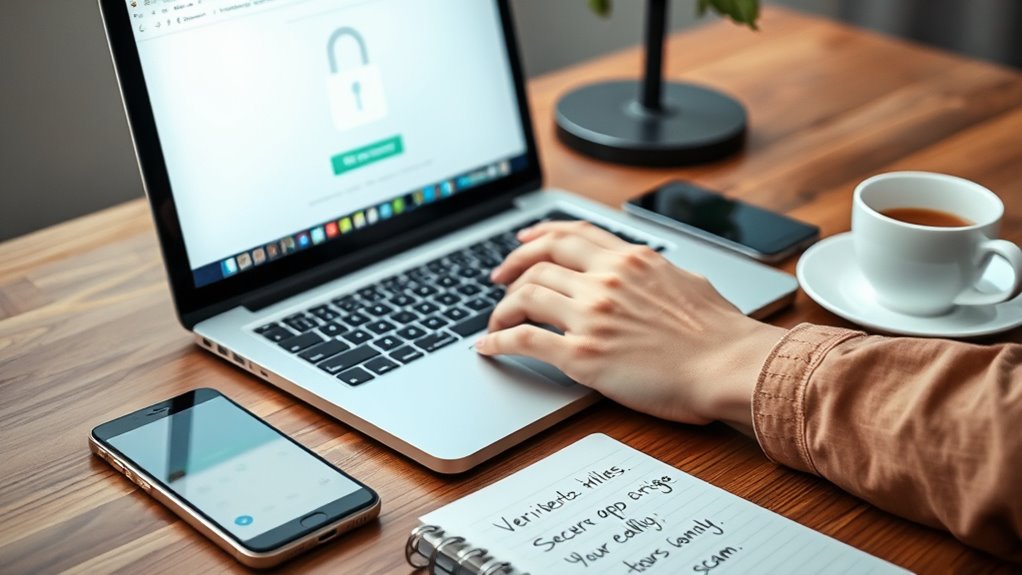

To shop safely online, always verify websites start with “https://” and have a padlock icon, indicating secure encryption. Avoid saving payment details on unfamiliar sites and use secure methods like digital wallets or virtual cards. Be cautious of too-good-to-be-true deals, and research seller reviews. Never click links in suspicious messages or use public Wi-Fi for transactions. Staying vigilant and following these tips helps protect you from scams — explore more for added security.

Get your next haul delivered free with Prime
- Fast, free delivery on millions of items
- Prime Video, Amazon Music and more included
- Member-only deals all year
Key Takeaways
- Always verify websites start with “https://” and display a padlock icon before entering payment details.
- Use secure payment methods like digital wallets or virtual cards, avoiding saving info on unfamiliar sites.
- Confirm delivery notifications through official channels and avoid clicking links in suspicious messages.
- Research sellers’ reputation through reviews and ratings to avoid counterfeit products and scams.
- Keep devices updated, install antivirus software, and enable multi-factor authentication for added security.
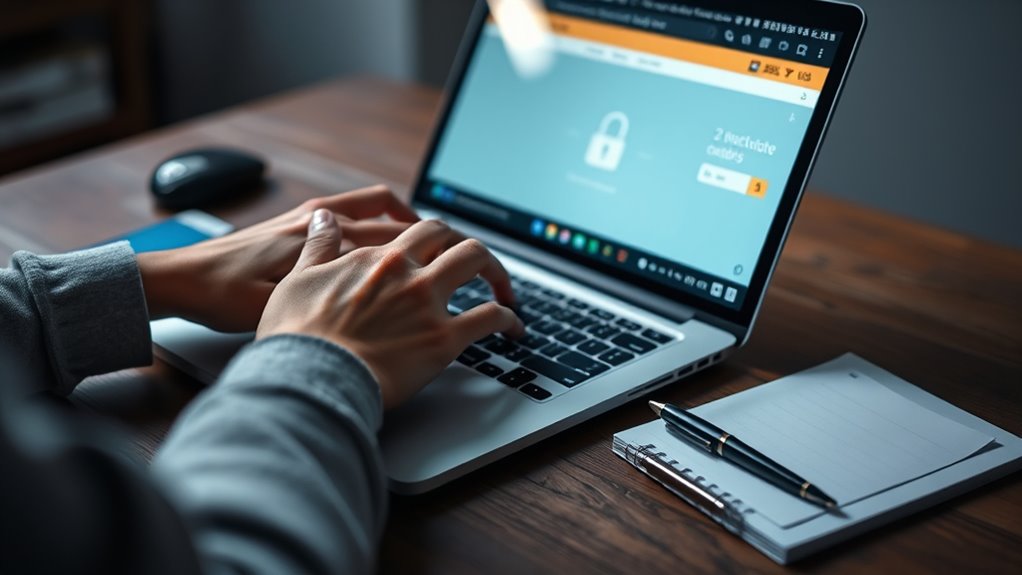
Online shopping offers convenience and access to a wide range of products, but it also comes with risks if you’re not careful. One of the most important aspects to protect yourself is ensuring payment security. When entering your credit card or bank details online, always make sure you’re on a secure website. Look for URLs that start with “https://” and check for a padlock icon in the address bar, which indicates the site uses encryption to safeguard your information. Avoid saving your payment details on unfamiliar sites or clicking on links from unknown emails, as these could be phishing attempts designed to steal your data. Using secure payment methods like digital wallets or virtual cards adds an extra layer of protection, making it harder for cybercriminals to access your financial information.
Always ensure secure websites (https and padlock) when entering payment details online for safe shopping.
Another common scam to watch out for involves delivery scams. Scammers often pose as legitimate couriers or online retailers, sending fake delivery notifications that ask for personal details or payment to release your package. To avoid falling victim, always verify the sender’s contact information directly through the retailer’s official website or customer service channels. Be cautious of unsolicited messages claiming you have a missed delivery or that you need to pay extra fees, especially if they ask for sensitive information or direct you to unfamiliar websites. Remember, reputable delivery services typically don’t request payment or personal info via email or text. If you suspect a scam, don’t click any links or provide details; instead, contact the company directly using verified contact information.
Additionally, be wary of deals that seem too good to be true. Scammers often lure shoppers with unbelievable discounts or limited-time offers to entice quick decisions. Before purchasing, research the seller’s reputation—check reviews and ratings, especially if you’re using lesser-known platforms. Avoid using public Wi-Fi networks when shopping or entering sensitive information, as these connections are easier for hackers to intercept. Instead, use your private Wi-Fi network or a trusted VPN to secure your connection.
Moreover, understanding the importance of sound design and related techniques can help you recognize high-quality and authentic online content, reducing the risk of falling for counterfeit products or scams that imitate genuine brands. Finally, keep your devices and software updated. Regular updates patch security vulnerabilities that cybercriminals might exploit. Install reputable antivirus programs and enable multi-factor authentication where possible. By staying vigilant about your payment security, verifying delivery details, and practicing cautious shopping habits, you greatly reduce your chances of falling victim to scams. Online shopping can be enjoyable and safe when you stay alert and follow these best practices.
digital wallet for online shopping
As an affiliate, we earn on qualifying purchases.
As an affiliate, we earn on qualifying purchases.
Frequently Asked Questions
How Do I Recognize a Fake Online Store?
You can recognize a fake online store by checking for counterfeit products and fake reviews. Look for suspiciously low prices or poorly designed websites. Read reviews carefully—fake reviews often seem overly positive or generic. Verify contact details and shipping policies, and trust your instincts. If something feels off, it’s best to steer clear of the site. Staying vigilant helps you avoid scams and ensures a safer shopping experience.
What Are the Signs of a Phishing Email?
You can spot a phishing email by looking for signs like email spoofing, where the sender’s address looks suspicious or mimics a legitimate one. Watch out for malicious links that seem out of place or lead to unfamiliar websites. Poor grammar, urgent requests for personal info, or unexpected attachments are also red flags. Always verify the sender’s details and avoid clicking links before confirming their authenticity.
How Can I Verify a Website’s Security?
To verify a website’s security, check for an SSL certificate, which guarantees website encryption. Look for a padlock icon next to the URL in your browser, indicating a secure connection. Also, ensure the URL begins with “https://”. These signs show the site encrypts your data, protecting your personal information during transactions. Always verify these indicators before entering sensitive details to stay safe online.
What Payment Methods Are Safest for Online Shopping?
You should always choose secure payment options like credit cards or PayPal, as they offer buyer protection and fraud prevention. Use trusted payment providers to guarantee your financial information stays safe. Avoid direct bank transfers or debit cards, which are less secure. Always verify that the website supports HTTPS and trusted providers before entering your payment details. This way, you minimize your risk of scams and keep your information protected during online shopping.
How Do I Report Online Shopping Scams?
To report online shopping scams, start by gathering all relevant details, such as emails, transaction records, and website URLs. Then, contact your local consumer protection agency or report the scam through online fraud reporting platforms like the Federal Trade Commission (FTC). Use scam prevention tips like verifying websites and avoiding suspicious links before reporting. Prompt action helps protect others and reduces online fraud.
As an affiliate, we earn on qualifying purchases.
Conclusion
By following these tips, you’ll steer clear of online shopping scams like a pro steering stormy seas. Think of your information as a precious gem—protect it fiercely. Always verify sellers, use secure payment methods, and trust your instincts. Remember, staying vigilant is your best shield against fraud. With these precautions, your online shopping experience will be smooth sailing, turning potential pitfalls into safe harbors where your trust and wallet stay secure.
As an affiliate, we earn on qualifying purchases.
multi-factor authentication device
As an affiliate, we earn on qualifying purchases.
As an affiliate, we earn on qualifying purchases.
Halloween Picks
halloween
As an affiliate, we earn on qualifying purchases.