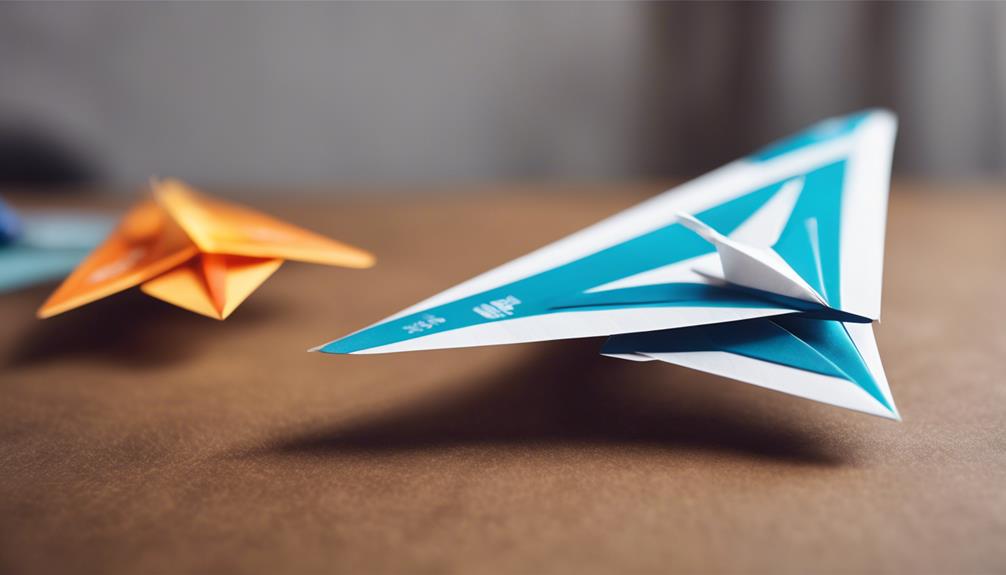

Finding the right paper airplane depends on what you want to achieve—whether it’s simple fun, impressive flight distance, or advanced DIY projects. The Creativity for Kids Paper Airplane Kit stands out as the best overall choice for beginners, offering easy-to-follow instructions and plenty of planes to make. The POWERUP 4.0 Paper Airplane Kit appeals to hobbyists who want a tech-enhanced flying experience with smartphone control. However, tradeoffs exist: simple kits are more affordable but less durable, while high-tech options cost more but deliver more impressive flight capabilities. Keep reading for a full breakdown of the top models and what makes each unique.

Get your next haul delivered free with Prime
- Fast, free delivery on millions of items
- Prime Video, Amazon Music and more included
- Member-only deals all year
Key Takeaways
- The top-ranked kits balance ease of use with flight performance, making them suitable for a wide range of users.
- High-tech options like motorized or app-controlled planes provide advanced flying but come at a higher cost and complexity.
- Most kits include multiple designs, emphasizing variety and replay value, though this often means a tradeoff in build quality.
- Durability and flight distance vary significantly; more sophisticated models tend to fly farther and last longer.
- Price ranges reflect the complexity and features—basic kits are budget-friendly, while premium options target enthusiasts.


More Details on Our Top Picks
Creativity for Kids Paper Airplane Kit, Make 20 Airplanes
This kit stands out for its focus on fostering creativity and fine motor skills in children as young as six. Compared with larger collections like the Paper Airplane Kit: 100 Planes to Fold & Fly, it offers a more manageable number of projects, making it ideal for beginners or younger kids. The included patterned paper, stickers, and instructions provide a complete, all-in-one experience that encourages independent play and creative expression. However, its scope is limited to simple paper airplanes, which might disappoint kids seeking more complex engineering challenges. Also, the folding instructions can be tricky for some, requiring adult supervision for younger children. This pick makes the most sense for parents or educators wanting a straightforward, creative craft activity that builds foundational skills without overwhelming complexity.
Pros:- Encourages creativity and hands-on learning
- Includes all necessary materials in one kit
- Develops fine motor skills and spatial reasoning
- Great for solo or group play
Cons:- Limited to basic paper airplanes, restricting complexity
- Adult supervision needed for younger children
- Some may find folding instructions challenging
Best for: Parents of children ages 6+ seeking a simple, creative paper airplane activity
Not ideal for: Older kids or enthusiasts looking for advanced aerodynamics or electric upgrades
- Includes:20 sheets of patterned paper, 2 airplane styles, stickers, instructions, storage box
- Recommended Age:6+
- Number of Airplanes:20
Our verdict“This kit is perfect for young kids or beginners who want a simple, creative introduction to paper airplanes.”
Paper Airplane Kit: 100 Planes to Fold & Fly, 1000 Stickers, Launcher & 100 Rubber Bands
This comprehensive kit is ideal for children who enjoy building and customizing many paper airplanes, offering 100 colorful sheets, 1000 stickers, a launcher, and rubber bands. Compared to the Creativity for Kids Kit, it provides a much larger volume of materials for prolonged play and experimentation. Its inclusion of stickers and a launcher makes it especially suitable for active, creative kids interested in engineering and design. However, the extensive set may be overwhelming for younger children or those who prefer simpler crafts, and the need for adult supervision remains for younger users. This kit is best suited for families or educators seeking a STEM-focused activity that can entertain for hours and support creative engineering.
Pros:- Massive variety of materials for creative customization
- Includes stickers for personalization
- Encourages STEM learning and engineering skills
- Provides hours of family fun
Cons:- Limited appeal for children not interested in building
- Requires adult supervision for safe use of launcher and small parts
- Can be overwhelming for casual users
Best for: Children ages 7+ who love building, customizing, and experimenting with paper airplanes
Not ideal for: Very young children or those looking for a quick, simple craft activity
- Number of Planes:100
- Stickers:1000
- Includes:Launcher, 100 rubber bands, colorful sheets
- Recommended Age:7+
Our verdict“This kit is best for kids who want to build, decorate, and experiment with a large variety of paper airplanes for extended STEM play.”
POWERUP 2.0 Paper Airplane Kit Electric Plane Motor Launcher DIY Toy – Red
The POWERUP 2.0 kit elevates paper airplane fun by adding an electric motor, offering longer flights over 30 seconds. Compared with purely manual kits like the Fold and Fly Paper Airplane Kit, it introduces a tech element that appeals to older kids, teens, and adults interested in physics and engineering. Its durable carbon fiber components ensure crash resistance, making it suitable for repeated use and outdoor flying. However, assembly and understanding electronic components may pose a challenge for younger children or less technically inclined users. The battery life is not specified, which could limit extended sessions. Overall, this model is best for those seeking a more interactive, science-focused experience that combines traditional craft with technology.
Pros:- Extends flight time to over 30 seconds
- Suitable for educational and recreational use
- Durable, crash-resistant components
- Adds a tech twist to traditional paper airplanes
Cons:- Requires assembly and some electronics knowledge
- Limited to planes compatible with the motor system
- Battery life not specified, may limit longer flights
Best for: Tech-minded kids, teens, or adults interested in DIY engineering and physics experiments
Not ideal for: Young children or casual paper airplane enthusiasts who prefer simple, manual folding
- Fly Time:Over 30 seconds
- Material:Carbon fiber propeller shaft
- Color:Red
Our verdict“This electric-powered kit is perfect for tech-savvy individuals eager to combine paper airplane fun with science and engineering.”
Paper Airplane Kits with 16 Classic Designs and 32 Sheets of Colorful Origami Paper, Digital Manual Included
This kit offers a well-rounded experience with 16 classic airplane designs and 32 colorful origami sheets, making it ideal for kids who enjoy variety and guided instruction. Compared to the Creativity for Kids Kit or the larger 100 Planes Kit, it provides a curated selection of designs and a digital manual that simplifies the folding process through videos. Its eco-friendly, high-quality origami paper supports durability and sustainability. While the digital instructions are engaging, the need to scan QR codes might be inconvenient for some, and it remains limited to paper airplanes without additional craft options. It’s best for children who want guided, varied projects with an emphasis on learning and creativity in a digital format.
Pros:- Includes a variety of classic airplane designs
- Digital video instructions make folding accessible
- Made from sustainable, durable FSC-certified paper
- Encourages STEM learning and fine motor skills
Cons:- No printed manual, which may be less convenient
- Requires scanning QR codes for instructions
- Limited to paper airplanes, no additional crafts
Best for: Parents or educators seeking a variety of classic designs with easy-to-follow digital instructions
Not ideal for: Children who prefer printed manuals or are not comfortable with scanning QR codes
- Number of Designs:16
- Number of Sheets:32
- Material:FSC-certified origami paper
- Manual Type:Digital only
- Recommended Age:6+
Our verdict“This kit suits those who value variety, digital guidance, and sustainable materials for educational paper airplane projects.”
Fold and Fly Paper Airplane Kit
The Fold and Fly Paper Airplane Kit emphasizes simplicity and immediate fun, making it a good choice for both kids and adults who want a quick craft project. Unlike the more elaborate or feature-rich kits, this one offers a straightforward approach that encourages spontaneous creativity and hand-eye coordination. Its main drawback is limited durability; the paper planes may not withstand many flights, especially outdoors, and you’ll likely need to supply additional paper for extended use. This makes it less suitable for those seeking long-term or highly durable aircraft but perfect for casual, impromptu fun.
Pros:- Easy to assemble and fly
- Encourages spontaneous creativity
- Suitable for all ages
- Minimal materials needed
Cons:- Limited durability of paper airplanes
- Requires additional paper for continuous use
- Lacks complexity or customization options
Best for: Families or individuals seeking a simple, quick paper airplane activity with minimal setup
Not ideal for: Enthusiasts wanting detailed instructions, complex designs, or durable models
Our verdict“This kit is ideal for casual users seeking quick, effortless paper airplane fun without added frills or durability needs.”
1-Pcs DIY RC Paper Airplane Kit for Hobbyists, Pilots & Beginners
This DIY RC paper airplane kit stands out for its gyro stabilization, which ensures steady flights even in breezy outdoor conditions—something the simpler paper book by My First Paper Airplane Book can’t offer. Compared with powered kits like the POWERUP 4.0, this kit emphasizes educational value and ease of assembly for beginners. However, it relies on additional lightweight materials and batteries, which could be inconvenient. Its durable, foldable design makes it ideal for young hobbyists interested in both building and flying, combining fun with a learning experience. The gyro stabilization is a real game-changer for stable flights, but the need for extra materials and batteries adds some hassle.Pros:- Easy to assemble and operate, perfect for beginners
- Stable flight thanks to gyro stabilization in various weather conditions
- Durable, lightweight, and foldable for indoor and outdoor use
Cons:- Paper not included, requiring additional materials
- Limited to lightweight materials like paper, foam, or balsa wood
- Requires batteries for remote control (not specified)
Best for: Beginners, kids, and students interested in learning aerodynamics through hands-on building and stable flying.
Not ideal for: Experienced RC enthusiasts or those seeking high-performance or long-duration flights without extra setup.
- Material:Lightweight plastic
- Age Range:8+
- Includes:Remote control, modular wings (paper/foam)
- Stabilizer:Gyro stabilizer
- Flight Type:Indoor and outdoor
- Batteries:Not specified
Our verdict“This kit is best suited for young learners and beginners who want a stable, educational flying experience with minimal complexity.”
My First Paper Airplane Book: Fun Designs and Easy Tear-Out Pages for Kids!
This book makes a strong case as the go-to for young children just starting with paper planes, thanks to its easy tear-out pages and colorful designs. Unlike the POWERUP 4.0, which appeals to tech-savvy STEM learners, this book focuses purely on manual craft and creativity, making it more accessible for very young kids. The lack of detailed instructions or digital content might limit more advanced users or those seeking in-depth aerodynamics. Its simple tear-out pages encourage quick, mess-free activity, making it perfect for encouraging creativity without requiring additional tools. The main tradeoff is that it offers no guidance beyond basic designs, so more advanced flyers might find it limiting.Pros:- Engaging and fun for kids, sparks creativity
- Includes easy tear-out pages for quick use
- No need for extra tools or electronic components
Cons:- Limited to simple paper airplane designs
- No detailed instructions or advanced design options
- Does not promote technical aerodynamics
Best for: Parents and educators seeking engaging, easy-to-use activities for young children that foster creativity and fine motor skills.
Not ideal for: Older kids or hobbyists looking for complex designs or technical flying tricks.
Our verdict“Ideal for young children and beginners who want quick, creative paper plane activities without complexity.”
POWERUP 4.0 Paper Airplane Kit – Smartphone App Controlled RC Plane Motor
The POWERUP 4.0 elevates paper airplane flying into the digital age with its smartphone-controlled engine and autopilot, offering a modern twist that surpasses basic kits like My First Paper Airplane Book. Its ability to perform tricks and high-speed flights, up to 20 mph, makes it more exciting than the purely manual options, though its 10-minute flight limit and reliance on a smartphone can be inconvenient for longer sessions. The rapid charging feature helps mitigate short flight times but still requires planning. Designed for outdoor use, it suits tech enthusiasts and older kids who appreciate high-speed performance and STEM integration, but less so for those seeking simple, quiet indoor fun.Pros:- Easy to control with a smartphone app, making tricks accessible
- Includes autopilot and stability features for advanced flying
- Fast charging and decent range for outdoor fun
Cons:- Limited to 10-minute flight sessions per charge
- Requires a compatible smartphone for operation
- Additional kits needed for different configurations
Best for: Tech-savvy teens and outdoor enthusiasts interested in high-speed, trick-capable paper planes controlled via smartphone.
Not ideal for: Young children or users seeking quiet, indoor activities or longer flight durations without app reliance.
- Connectivity:Bluetooth
- Flight Time:10 minutes
- Range:up to 230 ft
- Speed:up to 20 mph
- Charge Time:30 minutes
Our verdict“This kit is perfect for tech-oriented users who want quick, high-speed flying and aerial tricks outdoors, accepting the short flight duration as a tradeoff.”
100 Paper Planes to Fold and Fly: Expertly Designed Paper Planes for Endless Interactive Flying Fun
This book offers an extensive collection of 100 different paper plane designs, making it a versatile choice for hobbyists who want a wide range of styles to try—something more comprehensive than the basic designs in My First Paper Airplane Book. Compared to electronic or remote-controlled options like POWERUP 4.0, this is purely manual and emphasizes the craft of folding, appealing to those who enjoy the tactile aspect of paper engineering. The lack of digital content or online tutorials might limit users looking for guided instruction, but it remains a favorite for creative experimentation. The main tradeoff is that it focuses solely on paper folding, with no electronic or mechanical enhancements.Pros:- Provides 100 different folding and flying designs
- Suitable for all ages and skill levels
- Encourages creativity and manual dexterity
Cons:- No digital content or online tutorials included
- Limited to paper folding activities without electronic features
- Requires manual effort for each design
Best for: Hobbyists and craft enthusiasts seeking a vast variety of folding designs and manual flying fun.
Not ideal for: Users looking for electronic control, long flight times, or tech features beyond traditional paper folding.
Our verdict“Perfect for paper craft lovers wanting a wide variety of designs for endless folding and flying experimentation.”

How We Picked
Products were evaluated based on a combination of factors including build quality, flight performance, ease of assembly, variety of designs, and overall value. We prioritized options that cater to different skill levels—from beginners to advanced hobbyists—while ensuring the products are safe and durable. The ranking also considers user reviews, innovative features, and the inclusiveness of accessories like stickers or launchers. Our goal was to identify kits that offer a balanced experience of fun, creativity, and technical capability, highlighting the best options for different types of flyers.Factors to Consider When Choosing Paper Airplane
Choosing the right paper airplane kit involves understanding several key factors beyond just the design. First, consider your skill level: beginners benefit from simple, easy-to-assemble kits, while advanced users might prefer options with technical enhancements. Flight distance and stability are also crucial if you aim for impressive throws or competitions. Durability matters if you want your planes to last through multiple flights, especially with younger flyers. Additionally, the number of designs and included accessories can maximize fun and versatility. Finally, budget plays a role—balance what features are most important against the overall cost to find the best fit.Skill Level and Ease of Assembly
When selecting a paper airplane kit, matching the complexity with your skill level ensures a satisfying experience. Beginners should look for kits with clear instructions, minimal parts, and simple folding steps to avoid frustration. More advanced users or hobbyists may prefer kits with multiple design options and more intricate folding techniques that challenge their skills. Investing in an overly complex kit without prior experience can lead to disappointment, while too simple a kit for an experienced folder might limit creativity. Striking a balance between challenge and fun helps keep the activity engaging and rewarding.
Flight Performance and Distance
Flight distance and stability are two of the most important factors for those interested in competitive flying or impressing friends. Some kits include aerodynamic features or launch accessories that boost distance, while others prioritize ease of folding over performance. Advanced models with motors or adjustable components often achieve longer flights, but they also tend to be more sensitive to wind and handling. Consider your typical flying environment—indoor or outdoor—and choose a kit that matches your expected conditions for optimal results.
Durability and Material Quality
Paper quality and construction influence how many flights a plane can sustain before tearing or losing shape. Thicker, higher-quality paper or reinforced designs tend to last longer, especially if you plan to fly frequently. Cheaper kits with thin paper may be fine for occasional use but often suffer from quick wear and tear. If durability is a priority, look for kits that include sturdy materials or optional reinforcement options. Remember that more durable planes might add weight, slightly reducing flight distance, so find a balance that suits your needs.
Design Variety and Accessories
A broad selection of designs adds replay value and sparks creativity, especially if sharing with kids or friends. Kits that include stickers, launchers, or additional accessories can enhance the experience, making the activity more interactive. However, multiple designs often mean compromises—some kits may include many options but with less detailed instructions or lower build quality. Consider whether you want a kit that emphasizes variety or one that focuses on perfecting a few high-quality models, based on your personal preferences.
Budget and Value
Prices for paper airplane kits range from budget-friendly options to premium sets with electronic features. While inexpensive kits are accessible and suitable for casual play, they often lack durability or design complexity. More expensive options with electronics or extensive design options provide a richer experience but may be overkill for casual users. It’s worth assessing how much you’re willing to spend versus the features you desire—sometimes investing a bit more yields a significantly more satisfying flying experience.
Frequently Asked Questions
What is the best paper airplane kit for kids learning to fold?
The best kit for kids just starting out combines simple instructions with durable paper and a variety of fun designs. Kits like the ‘My First Paper Airplane Book’ provide tear-out pages with easy-to-follow templates, making them ideal for young children. Look for options that include colorful paper and stickers to keep kids engaged, while also emphasizing safety and straightforward folding steps. These kits typically avoid complex technical features, focusing instead on the joy of folding and flying basic planes.
Are electric or motorized paper airplanes worth the extra cost?
Electric or motorized paper airplanes add a layer of excitement and can significantly extend flight distances, especially when paired with proper launchers. They are often better suited for hobbyists or those interested in DIY projects, as they require assembly and some technical understanding. However, they tend to be more fragile and require batteries or maintenance, which adds to the overall cost. For casual flyers or kids, simpler paper planes usually offer more value for their money, while tech-enhanced models appeal to enthusiasts looking for a more dynamic experience.
How durable are paper airplane kits with multiple designs?
Durability varies depending on the quality of paper and construction. Kits with thicker or reinforced paper tend to withstand multiple flights, even with rough handling. However, kits that include many designs often compromise on the quality of individual planes, which can result in quicker wear and tear. If you plan to fly frequently or want planes that last longer, opting for a kit with sturdy materials or the option to reinforce your planes makes sense. Keep in mind that more intricate or lightweight designs may be more fragile, requiring careful handling.
Can I customize or add accessories to my paper airplanes?
Many kits include stickers, decals, or launcher accessories that allow some level of customization, making the activity more engaging. Some advanced kits also support adding lightweight modifications, like small engines or sensors, if you’re comfortable with DIY electronics. When customizing, it’s important to consider how added weight or altered aerodynamics might affect flight performance. For most casual users, sticking to included accessories and simple modifications ensures the best flight results without compromising stability.
What should I prioritize if I want long-distance flying?
For longer flights, focus on kits that emphasize aerodynamic design features such as streamlined shapes, adjustable wings, or launch accessories. High-quality paper or reinforced materials can help planes withstand more force during takeoff, reducing the risk of damage. Motorized or launcher-enhanced kits also tend to achieve greater distances, but they may require more setup and maintenance. Remember, practice and proper throwing technique often matter more than the kit itself, so choose a model that matches your skill level and environment for best results.
Conclusion
For casual users or kids just starting out, the Creativity for Kids Paper Airplane Kit offers an engaging, easy-to-use experience that sparks creativity without frustration. Enthusiasts seeking impressive flights or tech features should consider the POWERUP 4.0 Paper Airplane Kit for its motorized capabilities and smartphone control. Budget-conscious buyers will find the Paper Airplane Kit: 100 Planes to Fold & Fly provides great value with a wide variety of designs. Those looking for a premium experience might explore electric or app-controlled models, which deliver longer flights and more interactive fun. No matter your focus, understanding your skill level, desired flight performance, and budget helps in choosing the perfect paper airplane kit.