
Renting is often smarter than buying when you want to save money on upfront costs, avoid maintenance expenses, or access the latest technology. It’s ideal for short-term needs or trying out high-end products without long-term commitments. Plus, renting reduces environmental impact by promoting reuse and lowering resource use. If you want to explore how the rental economy can benefit you and support sustainability, there’s more to discover below.
Key Takeaways
- Rent for short-term or one-time needs to avoid large upfront investments and long-term ownership costs.
- Choose renting when access to the latest technology or high-end products is desired without significant expenditure.
- Opt for renting to minimize environmental impact by promoting reuse, reducing waste, and lowering resource consumption.
- Rent when managing assets efficiently, including refurbishing and extending the lifespan of items, supports sustainability goals.
- Consider renting to benefit from flexible, cost-effective options that align with eco-friendly consumption and circular economy practices.
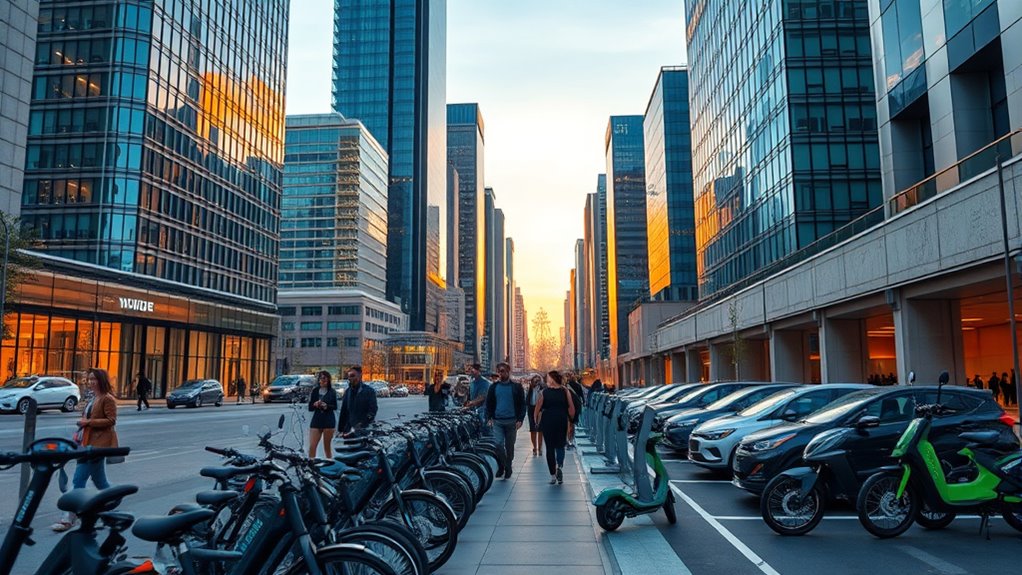
Have you ever wondered how the rental economy is transforming the way we access goods and services? More people are choosing to rent instead of buy, and it’s reshaping our spending habits. When you rent, you often enjoy substantial cost benefits. Instead of paying a hefty upfront investment, you make smaller, manageable payments over time. This approach helps you avoid the financial burden of ownership, like maintenance costs, property taxes, or depreciation. For instance, renting a car or a piece of specialized equipment can be far more affordable than purchasing it outright, especially if you only need it temporarily. Plus, you’re not stuck with a depreciating asset; you simply return it when you’re done, saving you from the long-term expenses associated with ownership. Additionally, the rental economy can incorporate asset management strategies that optimize the use and lifespan of rented items, making the process even more sustainable. Beyond the immediate financial perks, the environmental impact is also a compelling reason to contemplate renting. When you rent items, especially those that are used temporarily, it reduces waste and minimizes resource consumption. Manufacturing fewer products means fewer raw materials are extracted and less energy is used in production. This shift toward renting promotes reuse and maximizes the lifespan of goods, which can considerably lower your carbon footprint. For example, instead of buying a new power drill for one project, you can rent it, ensuring it gets used multiple times by different people before it’s eventually recycled. This reduces the demand for new products and helps combat the waste associated with discarded items. Furthermore, the rental economy encourages companies to develop more sustainable practices. Many rental providers focus on maintaining their inventories efficiently, often refurbishing or repairing items to extend their usability. This approach not only benefits the environment but also keeps costs lower, which in turn benefits you as a consumer. Renting also allows you to access the latest technology or high-end products without the hefty investment, ensuring you’re always using the most environmentally friendly and energy-efficient options available.
Top picks for "rental economy smarter"
Open Amazon search results for this keyword.
As an affiliate, we earn on qualifying purchases.
Frequently Asked Questions
How Do Rental Prices Fluctuate Seasonally?
You’ll notice rental prices fluctuate with seasonal demand, often peaking during holidays or peak vacation times and dropping during off-peak seasons. This pattern creates price volatility, so you might pay more during busy seasons and less when demand drops. Staying aware of these trends helps you plan your rentals better, saving money by booking when prices are lower and avoiding peak season surges.
Are There Hidden Fees in Rental Agreements?
Don’t assume all rental agreements are open books—hidden fees can pop up like weeds. You need to watch out for hidden charges and carefully review the fee structures. Some landlords may include extra costs for maintenance, cleaning, or late payments. Always read the fine print before signing. Ignoring these details could lead to surprises down the road, so stay vigilant and ask questions to clear up any uncertainties.
What Insurance Options Are Available for Renters?
You should consider renters insurance, which often includes liability coverage to protect you if someone gets injured in your rental. Many providers offer customizable policies, so you can choose coverage limits that match your needs. Some landlords require proof of insurance before moving in. Shop around for options, compare costs, and verify your policy covers personal belongings and liability, providing peace of mind during your rental experience.
How Does the Rental Market Impact Local Economies?
The vibrant vigor of the rental market boosts local businesses and fosters community development. When you rent, you support neighborhood networks, stimulate small shops, and sustain service sectors. This circulating cash creates a cycle of growth, encouraging employment and enhancing amenities. Your renting decisions directly influence economic energy, helping local economies thrive, transform, and turn towns into tight-knit, bustling hubs where community connections and commerce collide for collective success.
Can Rental Agreements Be Customized for Long-Term Needs?
Yes, rental agreements can be customized for your long-term needs. You can negotiate a custom contract that includes flexible terms, such as adjustable payment schedules, lease durations, or maintenance responsibilities. By discussing your specific requirements with your landlord or property manager, you guarantee the agreement aligns with your plans. This flexibility helps you avoid rigid terms and provides the adaptability needed for evolving circumstances, making renting a more tailored solution.
Conclusion
Ultimately, choosing to rent is like sailing with the wind instead of anchoring your hopes. It offers freedom, flexibility, and less weight on your shoulders, allowing you to navigate life’s changing tides smoothly. When you embrace the rental economy, you’re casting off the anchors of ownership, drifting toward smarter, more adaptable living. So, set your sails wisely—sometimes, it’s the open sea that leads to the most rewarding journey.