
The total cost of ownership helps you identify the option that saves you the most money in the long run. It considers more than just the initial price, including maintenance, repairs, operational costs, and end-of-life expenses. By focusing on TCO, you avoid surprises from hidden costs and choose assets that offer better reliability and lower ongoing expenses. Keep exploring to discover how understanding TCO can make your financial decisions smarter and more effective over time.
Key Takeaways
- TCO provides a comprehensive view, highlighting long-term savings beyond initial purchase price.
- Considering maintenance, operational, and end-of-life costs ensures more accurate financial decisions.
- Lower initial costs can lead to higher ongoing expenses, increasing total ownership costs over time.
- Reliable, durable assets with lower maintenance needs often reduce overall TCO.
- Prioritizing TCO helps select assets that offer greater value and cost-efficiency throughout their lifespan.
Have you ever considered that the initial purchase price of an asset is only part of its true cost? When you’re shopping for something, whether it’s a vehicle, equipment, or even a house, it’s easy to focus solely on the sticker price. But that’s just the beginning. The real question is, what will it cost you to keep that asset functioning and useful over time? That’s where the total cost of ownership (TCO) comes into play. It’s a broad way to understand the true expense involved, and it can save you a significant amount of money in the long run.
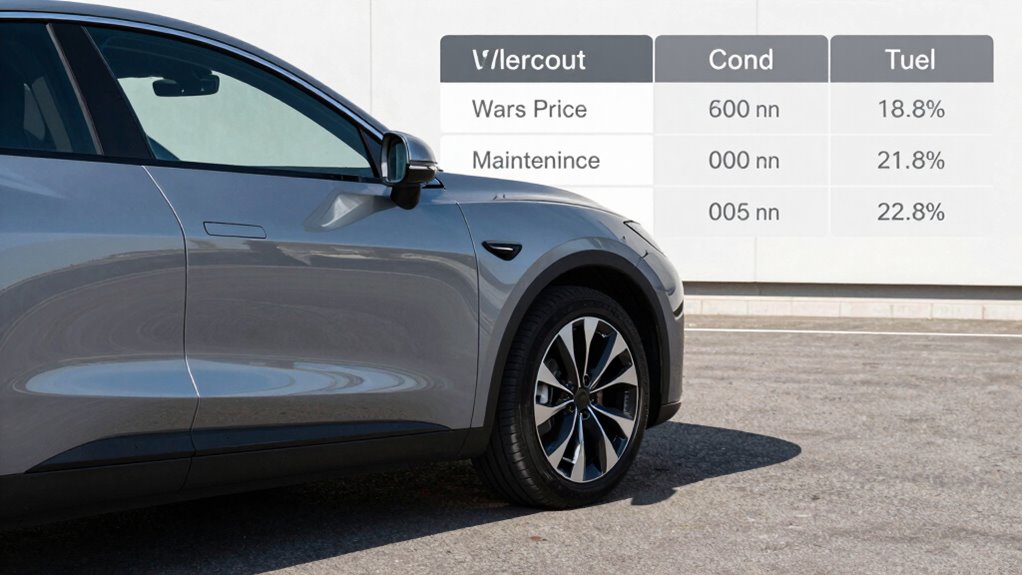
One key component of TCO is maintenance expenses. These are the costs you’ll incur regularly to keep the asset in good shape—things like repairs, parts replacements, routine servicing, and even labor costs. Sometimes, a cheaper initial purchase price can lead to higher maintenance expenses down the line. For example, a low-cost vehicle might be less reliable and require frequent repairs, which can quickly outweigh the savings from its initial price. Conversely, investing in a slightly more expensive but more durable asset could reduce ongoing maintenance costs, saving you money over its lifespan.
Higher upfront costs can mean lower maintenance expenses, saving you money over the asset’s lifespan.
Understanding the purchase price is important, but it’s only the tip of the iceberg. When calculating total cost of ownership, you need to factor in the ongoing expenses that come with owning and operating the asset. Maintenance expenses can vary greatly depending on the type and quality of the asset, so it’s essential to research typical costs beforehand. Sometimes, a higher purchase price might come with lower maintenance costs, especially if the asset is known for its reliability or has a manufacturer’s warranty that minimizes repair expenses. Additionally, considering battery capacity and how it impacts operational costs can be crucial for assets like inverter generators. Properly evaluating these factors helps you optimize asset performance, avoid unnecessary expenses, and make more informed financial decisions.
A thorough TCO analysis also involves understanding lifecycle costs, which include the expenses associated with disposal or resale of the asset at the end of its useful life. By considering the full lifecycle, you can better gauge the true financial impact of your purchase and avoid unexpected costs down the road. Including an assessment of potential microplastics in dust and their impact on maintenance or air quality can also be a valuable factor in understanding the total cost and health implications of your assets.
By considering TCO, you’re not just making a buying decision based on upfront costs. You’re evaluating the true financial impact over the entire lifespan of the asset. This approach encourages you to consider the contrast ratio and other technical specifications that directly influence the quality and longevity of the asset’s performance. It also helps you avoid surprises, such as unexpected repairs or high ongoing expenses, which can quickly drain your budget. It encourages you to compare options more holistically—factoring in how much you’ll spend on maintenance, replacement parts, and even operational costs like fuel or energy.
Ultimately, understanding the total cost of ownership allows you to make smarter, more informed decisions. It’s about recognizing that the lowest purchase price isn’t always the best deal if the maintenance expenses and other costs outweigh the initial savings. By focusing on TCO, you’re positioning yourself to choose assets that cost less to own and operate over time, saving you money and hassle in the long run.
fuel-efficient vehicles with low maintenance costs
As an affiliate, we earn on qualifying purchases.
As an affiliate, we earn on qualifying purchases.
Frequently Asked Questions
How Is Total Cost of Ownership Different From Purchase Price?
Total cost of ownership differs from purchase price because it includes your initial investment plus hidden expenses like maintenance, repairs, insurance, and depreciation over time. While the purchase price shows what you pay upfront, TCO gives you a full picture of what you’ll spend throughout the asset’s lifetime. This helps you make smarter decisions, saving money in the long run by considering all costs, not just the initial price.
What Industries Benefit Most From TCO Analysis?
You might think industries like manufacturing or tech would benefit most from TCO analysis, but surprisingly, it’s equally crucial in transportation and healthcare. By comparing industry costs, you’ll find that cost forecasting reveals hidden expenses often overlooked. This allows you to make smarter decisions, reduce surprises, and maximize investments. Ironically, the industries with the most complex assets or high maintenance needs gain the greatest advantage, proving TCO’s universal value.
Can TCO Calculations Predict Future Costs Accurately?
TCO calculations can help with future cost estimation, but they don’t predict future costs with perfect accuracy. You face accuracy challenges because many factors, like market fluctuations or unexpected maintenance, are unpredictable. While TCO gives you a solid foundation for planning, you should account for potential variances. Keep updating your calculations regularly to improve reliability, but always remain cautious about relying solely on TCO for precise future cost predictions.
How Often Should TCO Be Reviewed and Updated?
You should review and update your TCO regularly—at least annually or whenever significant changes occur. Incorporate risk assessment and cost benchmarking to guarantee accuracy, as these help identify new expenses or savings opportunities. Staying proactive allows you to adapt to market shifts or operational changes, ultimately protecting your investment and optimizing your cost management strategies. Regular updates keep your TCO relevant and reliable for better decision-making.
What Tools Are Available to Calculate TCO Effectively?
Like a trusty pocket calculator from the days of yore, you can use modern tools to calculate TCO effectively. Software options like SAP, Oracle, or specialized cost analysis platforms help streamline expense tracking and provide detailed insights. Spreadsheets also work if set up properly. These tools help you identify hidden costs, compare options, and make smarter decisions, ensuring TCO remains a powerful metric in your financial toolkit.
durable inverter generators with long battery life
As an affiliate, we earn on qualifying purchases.
As an affiliate, we earn on qualifying purchases.
Conclusion
Remember, the total cost of ownership is like tending a garden—you might see the vibrant blooms at first, but it’s the careful watering, pruning, and tending that truly determine its beauty over time. As you weigh your options, focus not just on the price tag but on the long-term health of your investment. When you consider the full picture, you’ll find the choice that blossoms into lasting value, saving you more than you ever imagined.
energy-efficient appliances with low operational costs
As an affiliate, we earn on qualifying purchases.
As an affiliate, we earn on qualifying purchases.
long-lasting home HVAC systems
As an affiliate, we earn on qualifying purchases.
As an affiliate, we earn on qualifying purchases.