

To avoid return nightmares, make sure your goods are properly packaged before shipping, including sturdy boxes, cushioning, and secure seals, as this shows you took reasonable steps to protect your items. Document any damage thoroughly with photos from multiple angles and keep all labels, bills, and correspondence. Proper packaging and detailed documentation can shift liability and support your claim if damage occurs. Keep these practices in mind, and you’ll discover key steps to protect your shipments and streamline disputes.
Key Takeaways
- Ensure proper packaging before shipping to prevent damage claims and disputes.
- Document damage immediately with clear photos and detailed records.
- Keep all shipping documentation, including labels and correspondence, to support claims.
- File insurance claims promptly to avoid delays and complications.
- Maintain thorough records to demonstrate compliance and shift liability away from carriers.
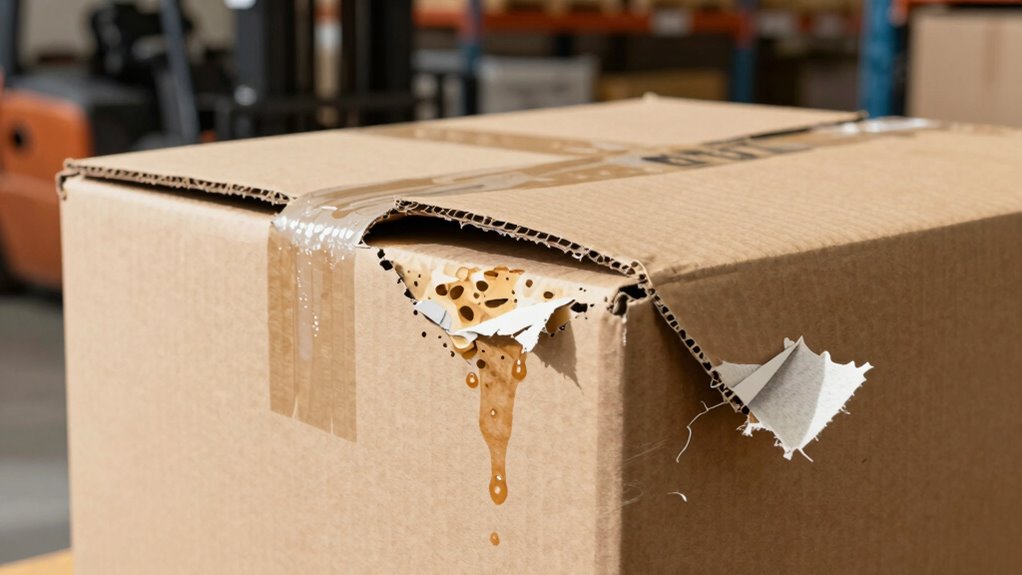
Have you ever received a damaged shipment and wondered who’s responsible? It’s frustrating, isn’t it? When goods arrive broken or damaged, the immediate question is often about who’s at fault. The key to steering this situation smoothly lies in understanding the shipping damage rule that can save you from a return nightmare. This rule hinges on proper documentation and adherence to packaging standards, which are essential when making insurance claims or seeking compensation from carriers or suppliers.
First, you need to assess whether the packaging standards were followed properly. Shipping companies and suppliers often have specific guidelines to ensure items are protected during transit. If the packaging wasn’t sufficient or didn’t meet these standards, it can work in your favor when filing an insurance claim. Proper packaging, including sturdy boxes, appropriate cushioning, and secure sealing, demonstrates that you took reasonable steps to protect your goods. This becomes important evidence if you need to prove that damage was caused by inadequate packaging rather than mishandling during transit. Packaging standards are critical in establishing liability and ensuring your claim is supported. Ensuring compliance with these standards can also help prevent disputes over responsibility.
Proper packaging with sturdy boxes and cushioning is key to proving damage wasn’t due to mishandling.
When damage occurs, documenting it immediately is indispensable. Take clear photographs from multiple angles showing the damaged items and packaging. These visuals become powerful evidence to support your insurance claims. Keep all shipping labels, bills of lading, and correspondence with the carrier or supplier. The more detailed your documentation, the stronger your case will be if you need to dispute a claim or seek reimbursement.
Understanding the rules around responsibilities is also essential. Typically, carriers are responsible for damage that occurs during transit, but only if you can prove the damage wasn’t due to improper packaging or handling. That’s why strict adherence to packaging standards is crucial—they help establish that you did your part to prevent damage. If your packaging was up to standard, you’re in a better position to file a successful insurance claim. Conversely, if packaging was subpar, the carrier might deny liability, shifting the responsibility back to you. Recognizing carrier liability and how packaging standards influence it can be a game-changer in these situations.
In essence, following the shipping damage rule involves confirming your goods are properly packaged, documenting the damage thoroughly, and filing insurance claims promptly. This proactive approach helps you avoid lengthy disputes and minimizes the risk of being stuck with damaged inventory. When you understand and implement these principles, you’re better equipped to handle shipping damage confidently, turning what could be a nightmare into a manageable, even straightforward process. Additionally, understanding the importance of proper documentation can significantly streamline your claims process and provide a clear record of events.
As an affiliate, we earn on qualifying purchases.
Frequently Asked Questions
How Does the Shipping Damage Rule Apply Internationally?
The shipping damage rule applies internationally by requiring you to understand international regulations and customs procedures. You must properly document the damage, take photos, and report it within the agreed timeframe. Customs procedures vary by country, so staying informed helps you navigate claims smoothly. By following these rules, you can protect yourself against unexpected costs and delays, making international shipping less stressful and more predictable.
What Are Common Overlooked Damages During Transit?
You might overlook damages like tiny cracks, subtle dents, or hidden internal fractures during transit. These often slip past inspection procedures, especially if packaging standards aren’t rigorous enough. You may think everything’s fine, but these minor damages can cause major issues later. Always double-check packaging standards and conduct thorough inspections to catch overlooked damages early, preventing costly returns and customer dissatisfaction. Don’t underestimate the power of careful examination!
Can the Rule Protect Against Delays as Well as Damage?
Yes, the shipping damage rule can help protect against delays, not just damages. By understanding insurance coverage and liability limits, you guarantee your shipments are covered if delays or damages occur. This rule emphasizes clear documentation and timely claims, which can streamline compensation processes. It encourages you to verify coverage details beforehand, reducing your financial risk and providing peace of mind during transit, whether for damages or delays.
How Should Consumers Document Damages for Claims?
You should document damages thoroughly for insurance claims by taking clear, detailed photos of the packaging and damaged items immediately upon receipt. Follow packaging best practices by keeping all original packaging materials and noting any visible issues. Write a detailed description of the damage, including dates and times, and contact the seller promptly. Proper documentation helps strengthen your case, ensuring your insurance claim is processed smoothly and increases your chances of a successful resolution.
Are There Specific Industries More Affected by This Rule?
You might find that industries like electronics and fragile goods are more affected by this rule, especially where industry-specific regulations and regional shipping standards come into play. When shipping delicate items, understanding these regulations guarantees you’re protected if damages occur. Coincidentally, these industries often have stricter handling and documentation requirements, making it essential to follow proper procedures. This awareness helps you streamline claims and avoid lengthy return processes.
As an affiliate, we earn on qualifying purchases.
Conclusion
So, next time you ship or receive an item, remember this simple shipping damage rule—it might just save you from a return nightmare. It’s funny how a small detail, like taking photos of the package upon arrival, can unexpectedly turn into your best defense. Sometimes, the tiniest coincidence, like catching that rare damage, makes all the difference. Keep this rule in mind, and you’ll be better prepared for any shipping surprises that come your way.
As an affiliate, we earn on qualifying purchases.
As an affiliate, we earn on qualifying purchases.