

When you spend more on high-quality items, you’re making a smart choice that can save you money over time. Durable products last longer, reducing the need for frequent replacements and repairs. Cheaper items might seem cheaper upfront but often cost more in the long run. Investing in quality also benefits the environment and boosts your confidence in the product’s performance. Keep exploring to discover how balancing quality and quantity can maximize your savings.
Key Takeaways
- Investing in high-quality items reduces replacement frequency, leading to long-term cost savings.
- Durable products generate less waste, supporting environmental sustainability and lowering disposal costs.
- Reputable brands offer reliable, tested products that avoid costly repairs and failures over time.
- Prioritizing quality over quantity minimizes ongoing expenses from frequent purchases and replacements.
- Weigh initial costs against long-term benefits to ensure smarter spending and better value over time.
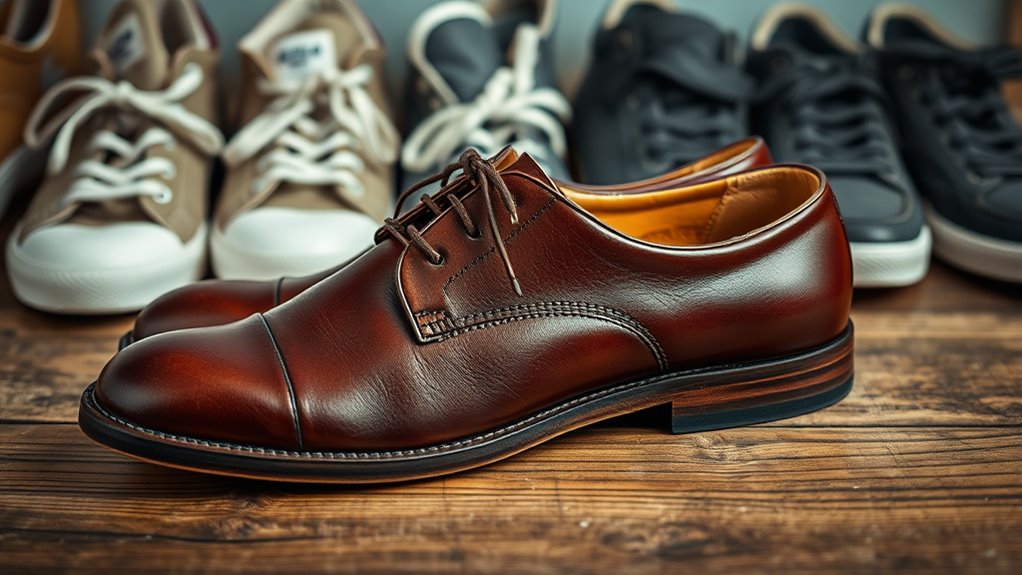
Have you ever wondered whether it’s better to focus on producing fewer high-quality items or more average ones? When it comes to making smart purchasing decisions, this question is essential. Choosing quality over quantity often means investing more upfront, but it can pay off in the long run. Durability versus affordability is a key consideration here. High-quality products tend to last longer, saving you money over time because you won’t need to replace them as often. For example, buying a well-made pair of shoes might cost more initially, but they’ll likely hold up for years, whereas cheaper alternatives might fall apart within months. This approach not only reduces ongoing expenses but also lessens the environmental impact by decreasing waste.
Choosing quality over quantity saves money and reduces waste in the long run.
Brand reputation plays an influential role in these choices. Reputable brands are often associated with higher standards of craftsmanship and reliability, giving you greater confidence in the product’s durability. When you buy from a well-known manufacturer, you’re paying for a level of assurance that the product has been tested and meets certain quality benchmarks. This can be especially important for items like electronics, appliances, or clothing, where failure could be inconvenient or costly. Although a brand-name product might seem more expensive at first, its proven durability means you’re less likely to spend money on repairs or replacements later. That’s where the idea that “spending more saves you money” really comes into play.
On the other hand, some people prioritize quantity, opting for cheaper, lower-quality items because they believe it allows them to acquire more for less. But this strategy often backfires. When products break down quickly or don’t perform as expected, you end up spending more in the long run on replacements or repairs. Plus, constantly replacing items can be a hassle and contribute to environmental waste. By contrast, investing in fewer, high-quality items might feel like a bigger expense initially, but it tends to be more cost-effective over time. Your money goes further when you’re not frequently replacing cheap, disposable products.
Additionally, understanding the nutritional value of juices can inform smarter choices about health and wellness. Ultimately, your decision hinges on evaluating what matters most—long-term durability and the reputation of the brand, or short-term savings through affordability. Remember, the key is to weigh the initial cost against the potential savings from longevity. When you choose quality, you’re making a smarter investment that often results in fewer purchases, less hassle, and better value for your money over time. Sometimes, spending a bit more upfront truly does save you money in the long run.
Frequently Asked Questions
How Can I Tell if a Product’s Quality Justifies Its Price?
You can tell if a product’s quality justifies its price by checking its durability and material authenticity. If it’s built to last and made from genuine, high-quality materials, it’s worth the investment. Look for reviews, brand reputation, and craftsmanship details. When you see sturdy construction and authentic materials, you’ll know you’re paying for long-term value, not just a higher price tag.
Are There Specific Items Where Quantity Always Outweighs Quality?
You’ll find that with fast fashion and cheap electronics, quantity often outweighs quality. Buying in bulk or multiple items can save you money upfront, even if each piece isn’t durable or high-quality. For these items, focusing on quantity makes sense because they tend to break or go out of style quickly. Just remember, for items needing longevity, investing in quality still pays off in the long run.
How Does Brand Reputation Influence the Quality Versus Quantity Decision?
Brand reputation heavily influences your choice between quality and quantity. When a brand has strong credibility, you’re more likely to trust its products and opt for higher quality items that last longer, saving you money in the long run. Consumer trust in reputable brands encourages you to spend more upfront, knowing you’ll get better durability and performance. Conversely, lesser-known brands might tempt you with lower prices, but they often lack the same level of quality.
What Are the Long-Term Financial Benefits of Investing in Quality Items?
Investing in quality items offers long-term financial benefits because of their durability comparison. You save money over time by choosing products with superior craftsmanship evaluation, which last longer and require fewer replacements. Although they may cost more upfront, you benefit from fewer repairs and replacements, reducing overall expenses. Plus, well-made items often maintain their value better, making your investment smarter and more cost-effective in the long run.
How Can I Balance Quality and Quantity Within a Limited Budget?
Imagine shopping as tending a garden—you want vibrant blooms without overfilling the space. To balance quality and quantity on a budget, focus on cost-effective shopping by prioritizing versatile, durable items. Embrace minimalist purchasing—buy only what you need and love—so you get lasting value without clutter. This approach guarantees you invest wisely, enjoying quality products that serve you well, without overspending or sacrificing essentials.
Conclusion
Ultimately, choosing quality over quantity can save you more than you’d ever imagine—you might just prevent your wallet from crying every time you buy something. When you invest in well-made items, they last so long you’ll forget what it’s like to replace them constantly. It’s like having a magic shield that protects your finances from endless spending. So, next time you shop, remember: sometimes, spending more upfront is the smartest move you’ll ever make.