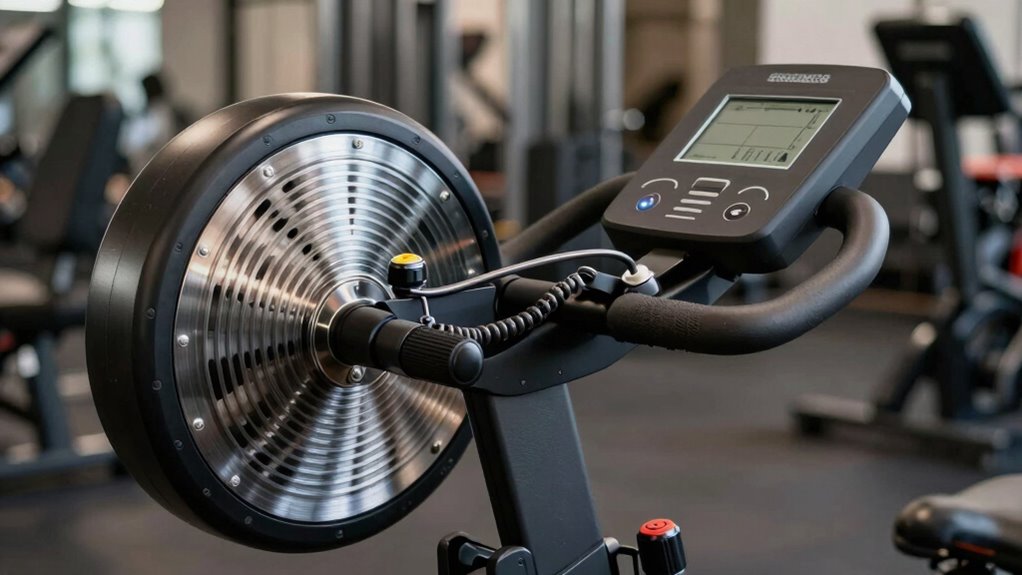

Exercise bike resistance types include friction, magnetic, and fan-based systems. Friction resistance uses brake pads to create effort, but requires maintenance and can cause noise. Magnetic resistance uses electromagnets for smooth, quiet adjustments and needs less upkeep. Fan-based resistance increases your effort as you pedal faster, providing airflow cooling and moderate noise. Choosing the right type depends on your fitness goals and budget—continue exploring to find the perfect fit for your workouts.
Open a free Amazon Business account
Business pricing, bulk buying and tax-exempt orders.
As an affiliate, we earn on qualifying purchases.
Key Takeaways
- Resistance on exercise bikes can be friction, magnetic, or fan-based, each providing different workout experiences.
- Friction resistance uses brake pads pressing against the flywheel, adjustable via a tension knob.
- Magnetic resistance employs electromagnets for smooth, quiet, and adjustable resistance without contact.
- Fan-based resistance generates effort proportional to pedaling speed, with airflow providing cooling and moderate noise.
- Choosing the right resistance type depends on your fitness goals, budget, maintenance preferences, and desired riding feel.
exercise bike with magnetic resistance
As an affiliate, we earn on qualifying purchases.
As an affiliate, we earn on qualifying purchases.
What Are the Main Types of Resistance on Exercise Bikes?
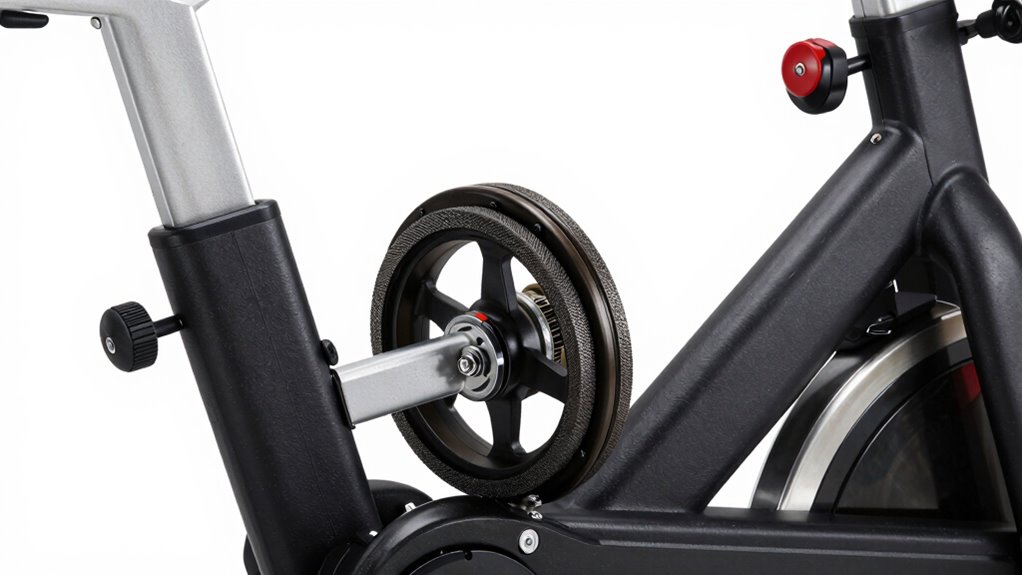
Have you ever wondered how exercise bikes create different levels of challenge? It all comes down to resistance types. One common method is friction resistance, where a brake pad presses against a flywheel, and adjusting the tension knob changes how hard you pedal. This adjustable tension controls how much effort you need, directly impacting pedal smoothness. When set high, pedaling feels more resistant, making your workout tougher. Conversely, lowering the tension makes pedaling easier and smoother. This simple, manual system offers straightforward control over workout intensity. Friction resistance is popular for its affordability and ease of use. However, it might lead to uneven pedal motion if tension isn’t perfectly adjusted. Overall, the main resistance types revolve around adjustable tension systems that influence pedal smoothness and workout difficulty. Additionally, the type of resistance can affect the longevity and performance of the bike over time. Some resistance types may require more maintenance or have different impacts on the durability of components. Knowing how different resistance mechanisms work can help you choose a bike that best fits your fitness goals and maintenance preferences. Understanding the celestial influences on personal traits can even inspire motivation during challenging workouts, adding a unique psychological dimension to your fitness journey.
As an affiliate, we earn on qualifying purchases.
How Do Magnetic Resistance Systems Work and Why Are They Popular?
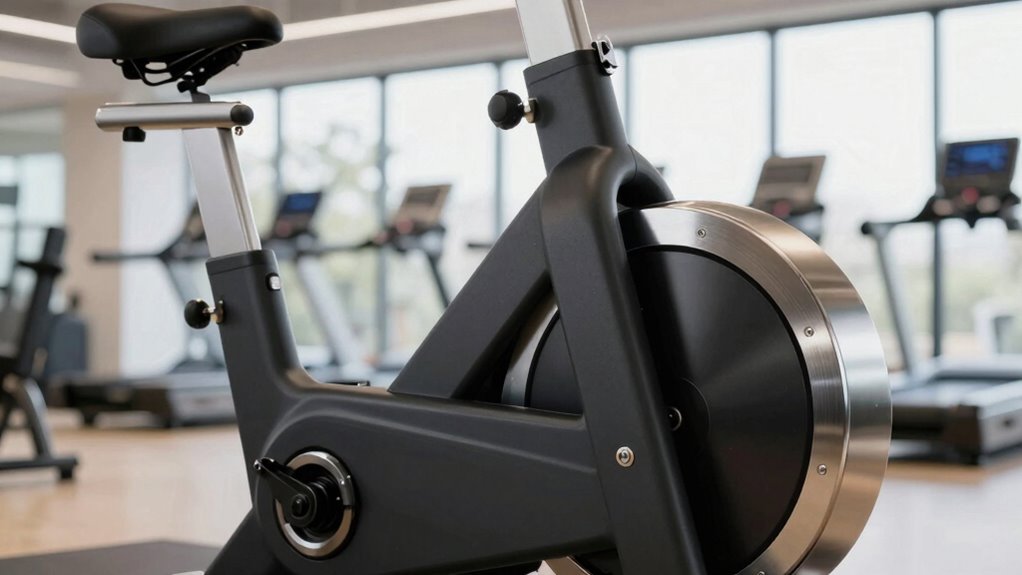
Magnetic resistance systems use electromagnets to create adjustable resistance without physical contact with the flywheel. This relies on magnetic technology, where the electromagnets generate a magnetic field that influences the metal components of the flywheel. By adjusting the strength of the magnetic field, you can easily vary the resistance level. This design offers smooth, quiet operation and precise control, making workouts more comfortable. Resistance variability is seamless, allowing you to switch between easy and intense efforts instantly. Because there’s no physical friction involved, magnetic systems require less maintenance and tend to last longer. These features make magnetic resistance systems popular among users who want a reliable, quiet, and customizable workout experience. Plus, they’re often found on high-end exercise bikes for a reason. Magnetic technology enhances the durability and efficiency of the system, contributing to its widespread popularity.
friction resistance exercise bike
As an affiliate, we earn on qualifying purchases.
As an affiliate, we earn on qualifying purchases.
What Is Fan-Based Resistance, and When Should You Choose It?
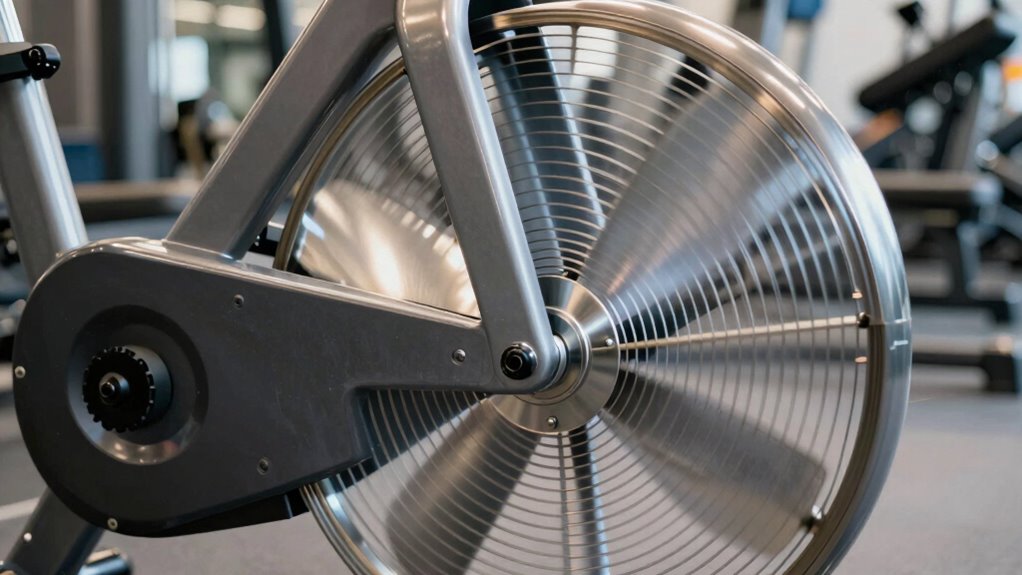
Fan-based resistance uses a spinning fan blade to create adjustable resistance during your workout. As you pedal, the fan blades spin faster, increasing resistance naturally. One major benefit is the cooling effect; the fan moves air, helping you stay cooler and more comfortable during intense sessions. It’s especially useful if you tend to overheat or sweat heavily. Noise levels are generally moderate—fans produce some sound, but it’s usually softer than other resistance types, making it suitable for home use. You should choose fan-based resistance if you want a smooth, natural feel with good airflow and don’t mind some ambient noise. It’s ideal for steady-state cardio, outdoor-like riding, or warm environments where cooling benefits enhance your workout experience. Additionally, the adjustable resistance can be easily tailored to your fitness level for a more personalized workout. For those interested in exercise equipment technology, fan-based systems often incorporate innovative design features for improved durability and performance. The airflow mechanism also helps to reduce overheating, making it a comfortable choice for longer sessions. Incorporating resistance variability can further enhance your training by allowing quick adjustments to match your workout intensity. Plus, many fan-based bikes feature luxury design elements, blending functionality with aesthetic appeal to elevate your workout space.
As an affiliate, we earn on qualifying purchases.
What Are the Advantages and Disadvantages of Friction Resistance Bikes?
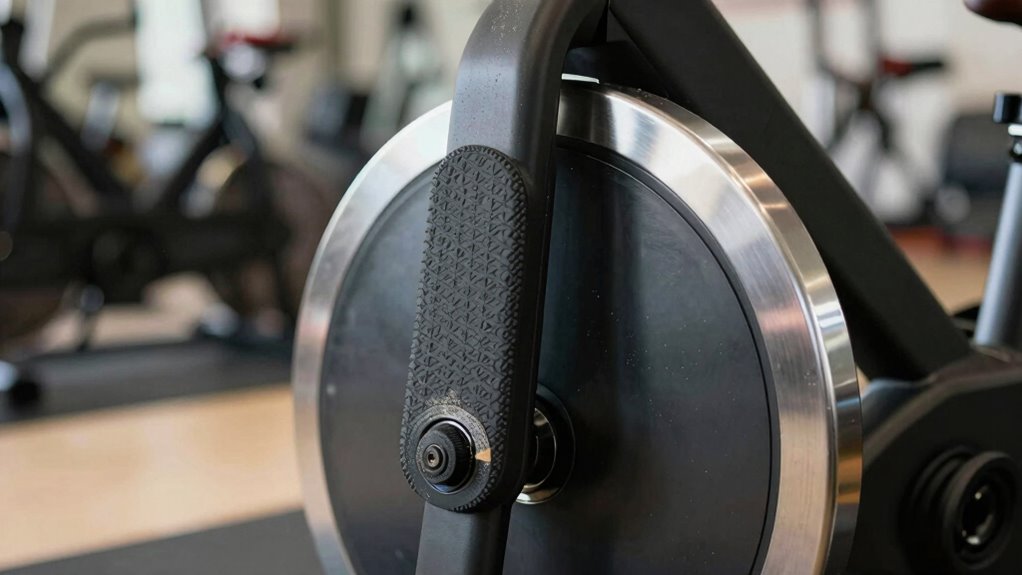
Friction resistance bikes are often praised for their simplicity and affordability, but they also come with limitations you should consider. They provide a straightforward way to adjust resistance by pressing brake pads against the flywheel, offering quick control. However, comfort considerations play a role; the braking method can cause noise and heat, which might affect comfort during workouts. Maintenance requirements are also higher—brake pads wear out over time and need replacement. Additionally, the heat buildup can impact the longevity of the components and overall performance. Incorporating proper cooling mechanisms can help mitigate some of these issues and extend the lifespan of the bike. Ensuring consistent maintenance routines is crucial for optimal performance and safety.
Which Resistance Type Is Best for Your Fitness Goals and Budget?
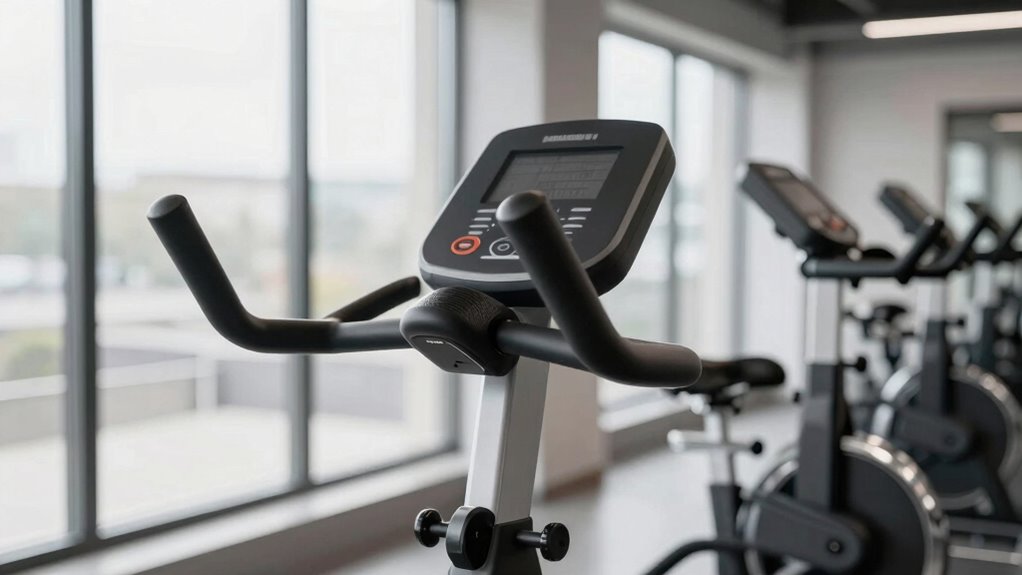
Choosing the right resistance type depends largely on your fitness goals and budget. If you’re focused on structured training programs, magnetic resistance bikes offer smooth, quiet operation and precise control, making them ideal for consistent workouts. They do tend to be pricier but require minimal maintenance tips to keep them functioning well. For casual users or those on a tight budget, fan or friction resistance bikes are more affordable options. Fan bikes provide a strong, consistent resistance that mimics outdoor riding, but may need occasional cleaning to prevent dust buildup. Friction bikes are simple and inexpensive but demand regular maintenance to replace worn pads. Considering the different resistance types can help you make a more informed decision tailored to your fitness needs. Additionally, understanding the maintenance requirements of each type can also ensure your exercise bike stays in good condition over time. Recognizing the spiritual significance behind certain resistance features can enhance your overall exercise experience, ensuring it aligns with your preferences and comfort. Being aware of the privacy policies related to your fitness device can also help protect your personal data while you exercise.
Frequently Asked Questions
Can Resistance Types Be Changed on a Single Exercise Bike?
Yes, you can usually change resistance types on a single exercise bike. Many bikes feature adjustable resistance, allowing you to switch between different levels or modes. Some models even offer resistance calibration, so you can customize how the bike responds to your effort. Just look for the resistance control or settings menu, and you’ll be able to modify resistance types easily, giving you a versatile workout tailored to your fitness goals.
How Loud Are Different Resistance Systems During Use?
Imagine pedaling through a quiet forest—now, some resistance systems are like whispering leaves, barely making a sound, while others are like a roaring stream. Noise levels vary: magnetic resistances tend to be whisper-quiet, perfect for shared spaces, whereas friction systems can be louder. Resistance consistency is key; steadier systems often produce less noise, providing a smoother, quieter ride. You’ll want a bike that balances noise and performance for your workout.
Are Certain Resistance Types Better for Beginners?
Yes, some resistance types are better for beginners. Magnetic and fan resistance systems are often considered beginner-friendly options because they offer smooth, quiet operation and easy resistance adjustments. When exploring resistance customization tips, start with lower settings and gradually increase intensity as you build strength. These options help you learn proper form without feeling overwhelmed, making your workout more enjoyable and less intimidating as you begin your fitness journey.
Do Resistance Types Affect Workout Intensity or Calorie Burn?
Resistance types are the gatekeepers of your workout intensity and calorie burn, shaping how hard you work. By adjusting resistance level customization, you can ramp up or ease down your effort, directly impacting calorie expenditure. Your equipment compatibility guarantees these resistance adjustments are smooth and precise. Think of resistance as the throttle to your fitness engine—turn it up to challenge yourself or ease off for recovery, making every ride uniquely effective.
How Maintenance Differs Among Various Resistance Mechanisms?
Maintenance needs vary depending on the resistance mechanism. For magnetic resistance, you’ll typically check the system every few months and keep the magnets clean to sustain resistance durability. Wind resistance units, however, require less frequent maintenance but need regular cleaning of the fan blades to prevent dust buildup. Friction resistance systems need more frequent maintenance, like replacing pads when worn, to guarantee consistent performance and longevity.
Conclusion
Choosing the right resistance type depends on your fitness goals and budget. Magnetic, fan-based, and friction resistance each offer unique benefits and challenges. Remember, “you get what you pay for,” so investing in the right bike can make all the difference. Consider your needs, try different options if possible, and pick a resistance system that motivates you to stay consistent and reach your fitness aspirations. Your perfect workout partner is out there—just find the one that fits you best!
Fall Picks
fall essentials
As an affiliate, we earn on qualifying purchases.