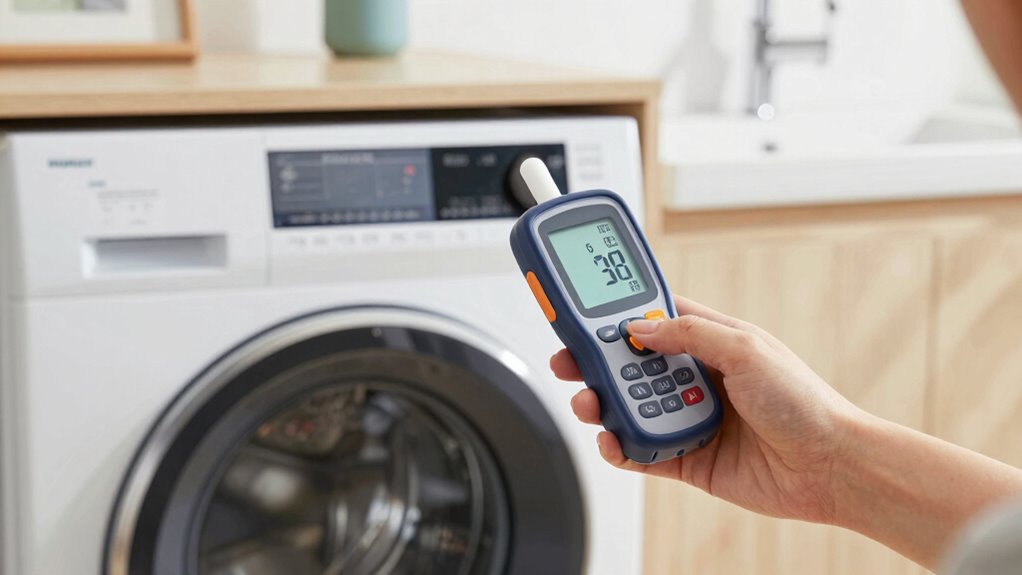

To compare noise levels before buying home equipment, start by checking the decibel (dB) ratings provided by manufacturers, remembering that lower decibels are quieter. Consider features like soundproofing or noise reduction tech built into the device. Think about where you’ll place the equipment, as location impacts noise perception. Listening to real-world reviews or testing in store can give you a better sense of actual noise. Keep exploring further to discover how environment and installation can influence noise levels.

Get your next haul delivered free with Prime
- Fast, free delivery on millions of items
- Prime Video, Amazon Music and more included
- Member-only deals all year
Key Takeaways
- Check manufacturer specifications for decibel (dB) ratings and compare them across models.
- Read user reviews and real-world testing reports for practical noise level insights.
- Consider the soundproofing and noise reduction features built into the equipment.
- Assess the equipment’s typical environment to gauge potential noise disturbance.
- Compare noise levels to familiar household sounds, like conversation or whisper, for context.
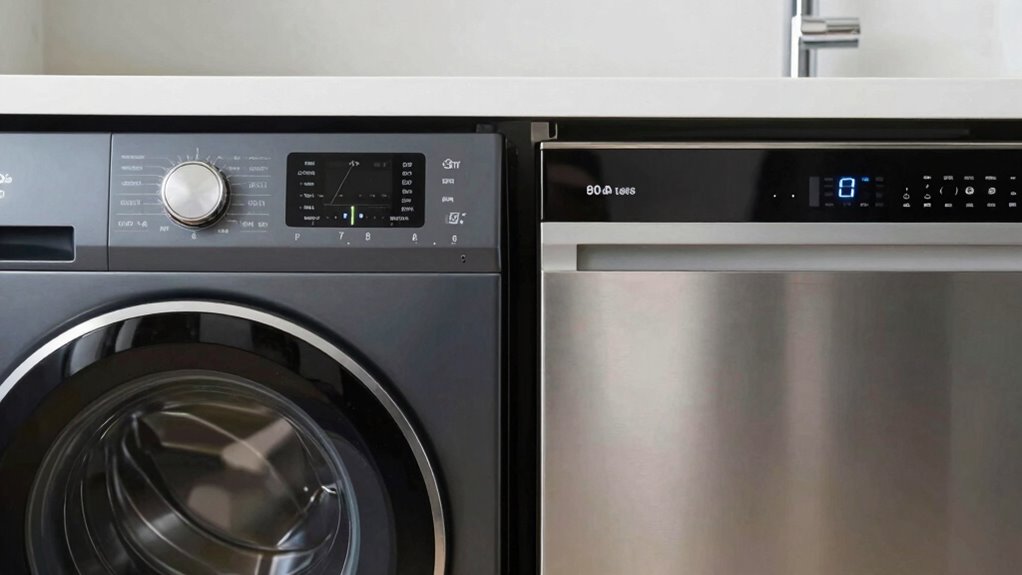
When comparing noise levels, understanding the decibel (dB) scale is essential. The decibel scale measures how loud a sound is, and since it’s logarithmic, a small difference in decibels can indicate a marked change in loudness. For example, a device that emits 60 dB is twice as loud as one at 50 dB. This understanding helps you accurately assess the noise output of various home equipment before making a purchase. When shopping, pay close attention to the manufacturer’s listed decibel ratings, but also consider real-world testing or user reviews, as these can provide insights into how loud the device truly is during operation.
Another key aspect is knowing how soundproofing techniques and noise reduction technologies can influence perceived noise levels. Some appliances or devices may have built-in noise reduction features, such as dampening insulation or vibration control, which can markedly lower the sound they produce. In your search, look for products that incorporate soundproofing techniques designed to minimize noise transmission. These features can be especially beneficial in home environments where noise pollution can disturb daily activities or rest. Comparing models with advanced noise reduction technologies can help you find quieter options and improve overall comfort.
It’s also helpful to think about the environment where you’ll place the equipment. For instance, a noisy refrigerator might be less disruptive if it’s located in a utility room, but the same noise could be bothersome in a living space or bedroom. Consider whether you need a device with silent or near-silent operation. Some manufacturers now advertise ultra-quiet models, often emphasizing soundproofing techniques like rubber mounts or acoustic enclosures that absorb sound energy and prevent it from spreading. This can make a noticeable difference in reducing ambient noise, especially in quiet zones of your home. Additionally, understanding sound transmission can help you better evaluate how noise might travel through walls or floors, further aiding your decision-making process.
Furthermore, being aware of soundproofing techniques can aid in reducing noise pollution in your living space. Remember that noise levels are just one part of the overall picture. You should also evaluate how the device’s noise compares to typical household sounds—like conversation (around 60 dB) or a whisper (about 30 dB). To make an informed choice, consider how noise levels relate to your daily environment and activities. Incorporating noise mitigation strategies can further enhance the quietness of your home, creating a more peaceful atmosphere. Additionally, understanding appliance maintenance and ensuring proper installation can prevent additional noise caused by mechanical issues. By understanding these comparisons and applying soundproofing principles, you’ll better grasp whether a piece of equipment’s noise level is acceptable for your environment. Combining knowledge of the decibel scale, soundproofing techniques, and noise reduction technologies allows you to choose home equipment that fits your comfort preferences, ensuring quieter, more peaceful living spaces.
Products Worth Considering

Levoit Eleva 300X HEPA Air Purifier for Home and Bedroom

Coway Airmega 250 Air Purifier for Large Rooms

Levoit Core 400S-P Smart Air Purifier for Large Rooms
As an affiliate, we earn on qualifying purchases.
Frequently Asked Questions
How Accurate Are Decibel Measurements in Noisy Environments?
Decibel measurements in noisy environments can be quite accurate if you consider sound calibration and environmental factors. You should guarantee your device is properly calibrated and account for background noise, which can skew results. Environmental factors like wind, distance, and reflective surfaces also impact accuracy. By controlling or noting these factors, you’ll get a more reliable measurement of noise levels, helping you make better-informed decisions about your home equipment.
Can Noise Levels Vary During Different Times of the Day?
Yes, noise levels can vary during different times of the day due to time fluctuations and environmental factors. You might notice higher noise in the mornings or evenings when traffic and human activity peak. Environmental factors like weather, wind, and nearby construction also influence noise levels. By considering these variations, you can better assess the consistent noise environment, helping you choose appliances that suit your needs and minimize disruptions.
Are There Specific Certifications for Quiet Home Appliances?
Yes, there are certifications like the Quiet Mark that identify appliances with superior sound insulation and vibration reduction features. When shopping, look for these labels to guarantee less noise disruption in your home. These certifications typically test for minimal sound output and effective vibration reduction, helping you choose appliances that operate quietly, creating a more peaceful environment. Always check for these marks before making your purchase.
How Does Room Size Affect Perceived Noise Levels?
Room size considerably impacts how loud a device sounds to you. Larger rooms with good sound insulation and favorable acoustics can make noise seem quieter, while smaller, poorly insulated spaces amplify sound, making devices seem louder. When choosing equipment, consider room acoustics and sound insulation. A bigger room with thick walls may reduce perceived noise, so test appliances in similar spaces or check reviews about their performance in different room sizes.
What Are the Best Ways to Test Noise Levels In-Store?
Think of it like a knight’s armor—testing noise levels in-store is vital. You should listen for sound insulation quality and use a decibel meter app on your phone. Hold it close to the equipment at ear level to get an accurate reading. Wear hearing protection if noise is loud, and compare readings across models. This way, you guarantee you’re choosing equipment that won’t damage your hearing or disturb your space.
Conclusion
When comparing noise levels before buying home equipment, don’t just rely on specs—you’re about to tame a beast of sound! Use a decibel meter or listen in person to gauge real-world noise. Remember, some machines are louder than a jet engine, so choose wisely. Your home should be your peaceful sanctuary, not a constant symphony of chaos. With these tips, you’ll find equipment so quiet, it’ll feel like whispering secrets to your walls.