
If you overload your washer or dryer, you stress the machines, causing uneven cleaning, longer cycles, and faster wear on the drum and motor. Using too much detergent leaves buildup that promotes mold, odors, and damage, while neglecting regular cleaning can block airflow and components. High heat and over-drying wear out parts and shrink clothes. Continuing these habits can shorten your appliance’s lifespan—scanning further reveals simple fixes to keep your machines running smoothly.
Key Takeaways
- Overloading machines strains components, reduces cleaning efficiency, and increases energy consumption.
- Using too much detergent causes buildup, mold growth, and damages internal parts.
- Neglecting regular maintenance leads to lint accumulation, obstructions, and appliance breakdowns.
- Drying with high heat and over-drying accelerate wear and shrink fabrics.
- Ignoring best practices like prompt clothes removal and proper loading shortens appliance lifespan.

Many people unknowingly damage their washers and dryers by sticking to common laundry habits that seem harmless but actually cause wear and tear. One of the biggest culprits is overloading your machines. When you stuff too many clothes into a wash or dry cycle, you’re not allowing the machine to operate efficiently. Overloading increases energy consumption because the machine has to work harder to clean or dry everything. It also strains the drum and motor, which can lead to premature breakdowns. Additionally, a packed drum prevents clothes from moving freely, resulting in uneven cleaning and excessive detergent residue. This residue can cling to fabrics and build up inside the machine, causing unpleasant odors and reducing the lifespan of your appliances.
Another mistake many overlook is using too much detergent. It might seem like a way to get clothes cleaner, but excess detergent actually harms your washer. The leftover soap creates a film that clings to the drum, seals, and internal parts, leading to mold and mildew growth. This buildup not only shortens the life of your appliances but also contributes to poor washing performance. *Furthermore*, detergent residue can cause clothes to feel stiff or sticky and may irritate sensitive skin. To avoid this, always follow the manufacturer’s instructions for detergent quantity, and consider using high-efficiency (HE) detergents if your washer requires them.
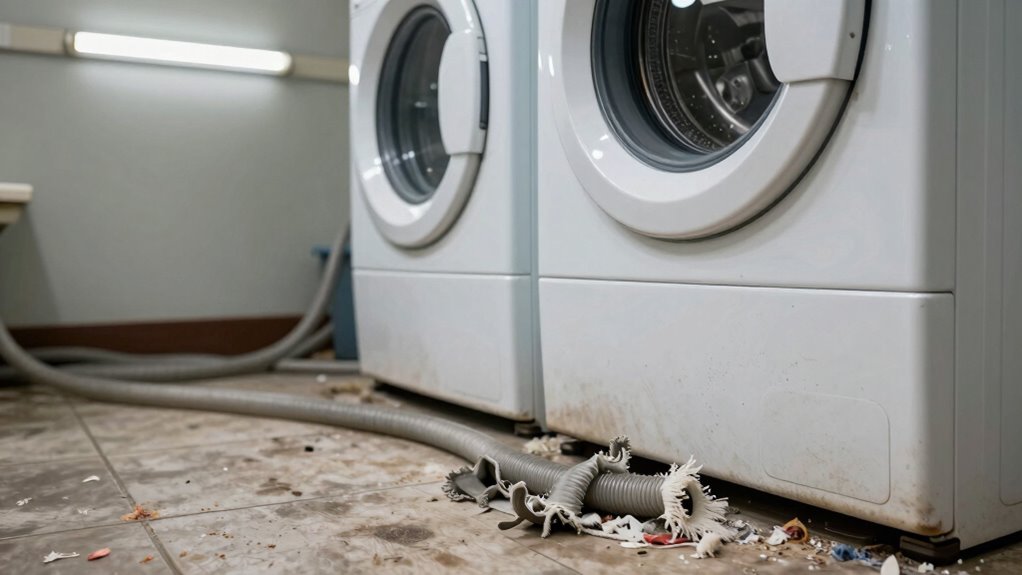
Many people also neglect regular maintenance, which can accelerate wear and tear. Failing to clean the lint filter, detergent dispensers, or drum can cause obstructions and reduce efficiency. When lint and residue accumulate, your dryer has to work harder, increasing energy consumption and risking damage to heating elements. Cleaning these parts routinely keeps your appliances running smoothly and reduces unnecessary strain. Additionally, leaving wet clothes in the washer for too long can cause mold growth and unpleasant odors, which may require costly repairs down the line.
Lastly, drying clothes on high heat settings or leaving them in the dryer too long can also shorten your dryer’s lifespan. High heat consumes more energy and causes the drum’s components to wear out faster. Over-drying clothes can also lead to shrinkage and fabric damage. Instead, opt for lower heat settings when possible and remove clothes promptly when they’re dry. Taking these simple steps can help you save energy, prevent detergent buildup, and extend the life of your appliances, all while avoiding the hidden habits that might be secretly damaging your washer and dryer.
washer lint filter cleaning tool
As an affiliate, we earn on qualifying purchases.
As an affiliate, we earn on qualifying purchases.
Frequently Asked Questions
Can Overloading Damage My Washer or Dryer?
Yes, overloading your washer or dryer can cause damage. When you overload, your washer struggles with detergent buildup, which can lead to poor cleaning and residue on clothes. It also strains the machine during the spin cycle, risking damage to the drum and motor. Similarly, your dryer faces extra stress, increasing wear and tear. To keep your machines in top shape, load them properly and avoid overloading.
How Often Should I Clean My Washer’s Lint Filter?
Think of your washer’s lint filter as its invigorating breeze. You should clean it after every 1-3 loads, depending on how often you wash. Regular cleaning prevents detergent buildup and keeps odors at bay, ensuring your machine runs smoothly. Neglecting this step can cause clogs and foul smells, so make it a habit. A quick check and clean keep your washer happy and your laundry smelling fresh.
Do Fabric Softeners Harm My Appliances?
Fabric softeners can harm your appliances by causing buildup that leads to appliance corrosion over time. They might make your clothes feel soft, but they also leave residues that can clog your washer’s dispensers and damage internal components. To protect your appliances, consider using natural alternatives or reducing fabric softener use. Regular cleaning and maintenance help prevent buildup, ensuring your washer and dryer stay in good shape longer.
Is It Okay to Leave Wet Clothes in the Washer Overnight?
Leaving wet clothes in the washer overnight isn’t ideal; it’s like trapping potential mold among your laundry. You risk odors and damage to your machine’s parts. Instead, use proper drying techniques and prompt laundry detergents to prevent buildup and wear. If you can’t dry clothes immediately, at least remove and hang them to avoid dampness. This keeps your washer healthy and your clothes fresh, saving you time and money in the long run.
What’s the Best Way to Prevent Mold in My Dryer?
To prevent mold in your dryer, guarantee proper ventilation improvements, like cleaning the lint filter regularly and checking the vent hose for blockages. Keep the dryer door open after use to allow airflow and dry out any residual moisture. Use mold resistant detergents designed for laundry appliances, and wipe down the drum periodically with a damp cloth. These steps help reduce moisture buildup, preventing mold growth and keeping your dryer fresh.
high efficiency laundry detergent
As an affiliate, we earn on qualifying purchases.
As an affiliate, we earn on qualifying purchases.
Conclusion
If you keep ignoring your laundry habits, your washer and dryer are silently suffering—like a song played on repeat until it’s out of tune. By overloading, neglecting maintenance, or misusing your machines, you’re risking costly repairs and shorter lifespans. Don’t let this unseen damage go unnoticed. Instead, treat your appliances with care, and they’ll serve you faithfully for years to come. After all, isn’t your peace of mind worth a little extra effort?
As an affiliate, we earn on qualifying purchases.
washer and dryer maintenance kit
As an affiliate, we earn on qualifying purchases.
As an affiliate, we earn on qualifying purchases.