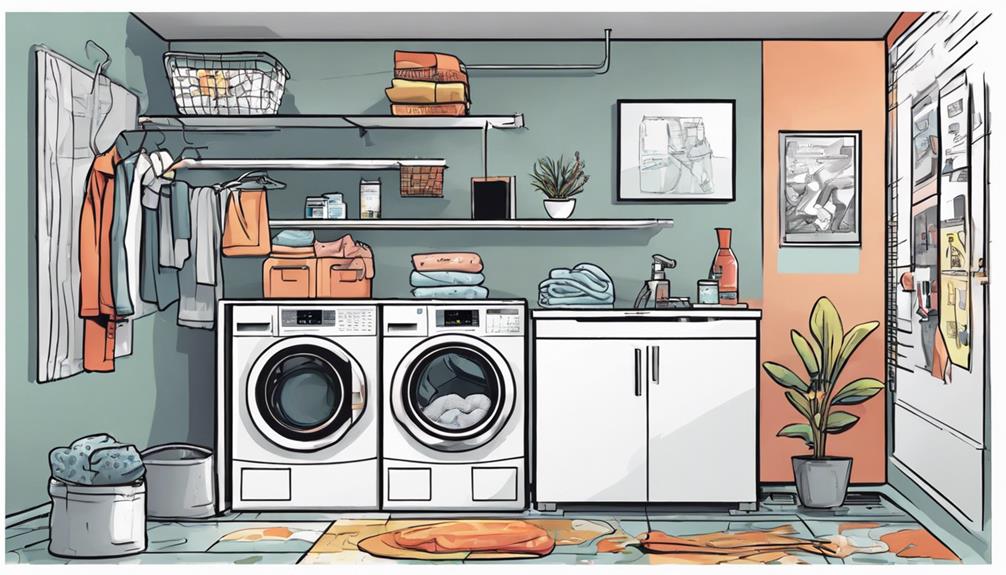
When deciding whether to repair or replace an appliance, a simple rule helps: if repair costs are less than half the price of a new one, repairing usually makes sense. This approach saves you money and reduces environmental impact by extending your device’s life. Keep in mind, age and efficiency matter too—if repairs are costly or the appliance is old, replacement might be better. If you want to know more, there’s plenty to explore about making smarter choices.

Get your next haul delivered free — and shop member deals
- Fast, free delivery on millions of items
- Access to Prime Big Deal Days deals on October 6–7
- Prime Video, Amazon Music and more included
Key Takeaways
- If repair costs are less than half the price of a new device, repairing is generally more cost-effective.
- Consider the appliance’s age and energy efficiency; older or inefficient models may justify replacement.
- Minor repairs are inexpensive and can extend the appliance’s lifespan without significant investment.
- Complex repairs with high estimates may favor replacement to avoid ongoing maintenance costs.
- Prioritize repairing appliances to reduce environmental impact and electronic waste, supporting sustainable choices.
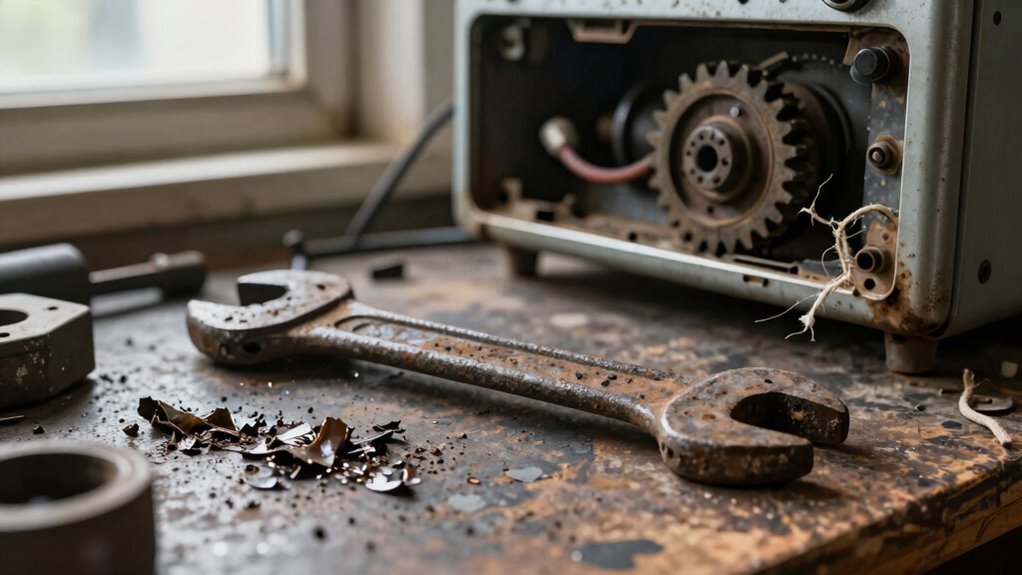
When faced with a broken appliance or a worn-out gadget, it’s tempting to replace it right away. But before you toss it out and buy new, consider the repair-before-replace rule. This quick guideline helps you make smarter decisions, saving you money and reducing environmental impact. First, perform a simple cost analysis. Compare the repair cost to the price of a new item. If fixing it costs less than half the price of a new device, repairing often makes more sense financially. Even if the repair is a bit more expensive, weigh it against the long-term savings of continuing to use the existing appliance. Keep in mind that some repairs might be minor, like replacing a worn-out belt or fixing a faulty switch, which are usually inexpensive and straightforward. But for more complex issues, get a clear estimate to see if the repair is still worth it. Additionally, consider the cost of manufacturing new appliances**, which involves significant resources and energy consumption. Beyond the immediate costs, think about the environmental impact. Manufacturing new appliances consumes significant resources, from raw materials to energy during production. Disposing of old devices contributes to landfill waste and can release harmful substances into the environment. Repairing instead of replacing extends the life of your appliances, reducing the demand for new production and lowering your carbon footprint. If your appliance is still functional after repair, you’re helping cut down on electronic waste and conserving resources. This approach aligns with eco-friendly practices, making you part of a larger effort to reduce pollution and waste. Sometimes, the decision isn’t just about money or the environment. Consider the appliance’s age and efficiency. An older model might not be as energy-efficient as newer ones, so a repair might be a temporary fix. If the repair cost approaches or exceeds the value of a new, energy-efficient model, upgrading could be the smarter choice in the long run. Also, think about the inconvenience of frequent breakdowns. If your appliance keeps needing repairs, it might be time to replace it altogether, despite the initial savings. On the flip side, if it’s a one-time fix and the appliance is relatively new, repairing it can extend its lifespan and delay the need for a full replacement. In the end, using the repair-before-replace rule simplifies your decision. It encourages you to evaluate costs and environmental factors** quickly, avoiding impulse replacements. This way, you make smarter choices that benefit your wallet and the planet, ensuring you’re not just reacting to problems but solving them thoughtfully.
As an affiliate, we earn on qualifying purchases.
Frequently Asked Questions
How Do I Estimate Repair Costs Accurately?
To estimate repair costs accurately, start with a thorough cost comparison of parts and labor. Assess your skill level honestly—if you’re experienced, DIY repairs might cut costs. Get multiple quotes from professionals to see average prices, and consider the repair’s complexity. Keep in mind that unexpected issues can arise, so add a contingency budget. This approach helps you make an informed decision about whether to repair or replace.
When Is Replacement More Cost-Effective Than Repair?
Think of your appliance as a garden plant—sometimes, a quick trim isn’t enough. When repair costs outweigh the benefits, or when the cost comparison shows minimal lifespan extension, replacement becomes smarter. If fixing it costs nearly as much as a new one and won’t substantially prolong its life, it’s time to replace. This approach saves money in the long run and ensures you’re investing in something more durable.
Does the Age of the Item Affect the Decision?
Yes, the age of the item considerably influences your decision. If it’s nearing the end of its expected lifespan, replacing it often makes more sense, since repair longevity might be limited. For newer items, repairing can extend their usefulness and delay replacement costs. Consider how long the item has been in use versus its typical lifespan, and weigh whether repairs will truly restore its functionality or just offer a temporary fix.
Are There Environmental Benefits to Repairing?
Sure, repairing your items actually offers eco-friendly benefits you might not expect. It reduces waste by keeping items in use longer, lessening landfill burden. Ironically, fixing something instead of tossing it out helps the environment more than you might think, supporting waste reduction and conserving resources. So, next time you’re tempted to replace, consider repairing—it’s a small act with a big environmental impact.
What Safety Considerations Influence the Choice?
You should prioritize repairs if safety hazards can be effectively addressed, reducing risks for everyone involved. However, if the equipment no longer meets safety standards or regulatory compliance, replacing it becomes necessary to guarantee ongoing safety and legal adherence. Always evaluate whether repairs will sufficiently mitigate hazards or if replacement offers a safer, more compliant solution, considering both immediate risks and long-term safety implications.
energy efficient washing machine
As an affiliate, we earn on qualifying purchases.
As an affiliate, we earn on qualifying purchases.
Conclusion
So, next time you’re faced with a broken gadget or appliance, remember this simple rule: repair before replacing. It’s not just about saving money—it’s about saving your sanity, your time, and maybe even the planet! Think of every repair as a tiny act of rebellion against waste and unnecessary spending. By choosing to fix first, you’re wielding the power to transform your world—one repair at a time—and proving that sometimes, a simple fix can change everything.
repair tools for household appliances
As an affiliate, we earn on qualifying purchases.
As an affiliate, we earn on qualifying purchases.
eco-friendly refrigerator repair parts
As an affiliate, we earn on qualifying purchases.
As an affiliate, we earn on qualifying purchases.
Fall Picks
fall essentials
As an affiliate, we earn on qualifying purchases.