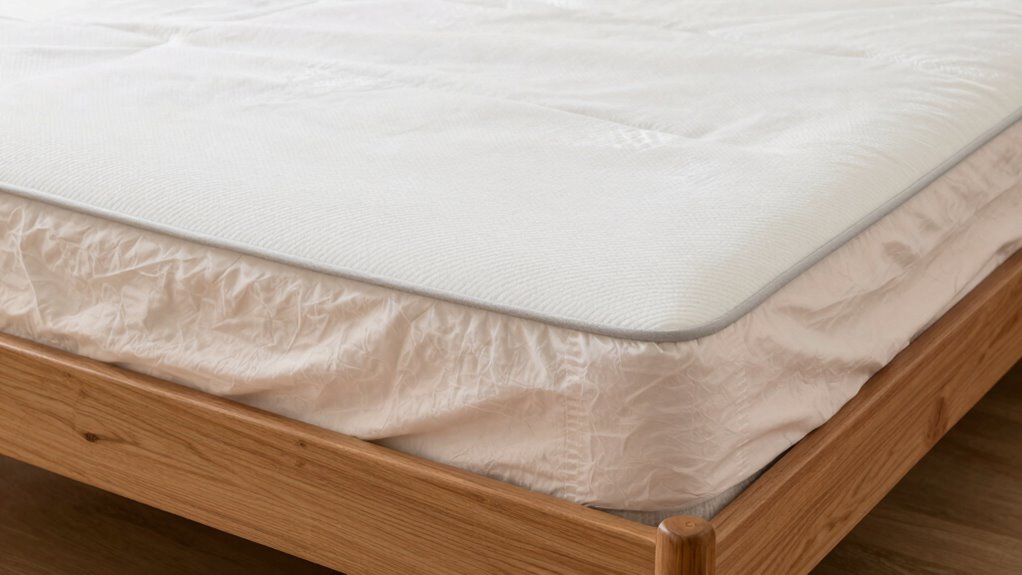

To reduce wear on your mattress and bed frame, rotate your mattress every 3-6 months and check for sagging or indentations, evenly distributing weight. Keep your bed frame sturdy by tightening bolts regularly and ensuring it’s level. Handle your mattress gently, avoiding dragging or jumping on it, and use protective covers to prevent dirt and moisture. Conduct routine inspections to catch issues early. If you keep these tips in mind, you’ll find maintaining your bed will be easier than you think.

Get your next haul delivered free with Prime
- Fast, free delivery on millions of items
- Prime Video, Amazon Music and more included
- Member-only deals all year
Key Takeaways
- Rotate your mattress every 3-6 months to prevent sagging and promote even wear.
- Regularly tighten bolts and inspect the bed frame for stability and proper support.
- Use a supportive, compatible bed frame to distribute weight evenly and reduce strain.
- Keep the mattress and frame clean, well-ventilated, and protected from moisture and dirt.
- Avoid rough handling, jumping, or standing on the bed to prevent damage to mattress and frame.

Your mattress and bed frame endure daily wear and tear, but with simple steps, you can extend their lifespan considerably. One effective way to do this is by regularly rotating your mattress. Over time, sleeping in the same spot causes uneven pressure, leading to sagging and degradation of the materials. By rotating your mattress 180 degrees every three to six months, you distribute weight more evenly, preventing permanent indentations and maintaining support. This small habit can make a big difference in how long your mattress stays comfortable and supportive.
Rotating your mattress every few months helps prevent sagging and keeps it supportive longer.
In addition to mattress rotation, paying attention to your bed frame is just as important. An unsteady or misaligned bed frame can accelerate wear on both the frame and the mattress. Regular bed frame adjustment ensures that it remains level and sturdy. Check the frame’s bolts and screws periodically, tightening any loose parts to prevent wobbling or squeaking. If your frame has adjustable components, make sure they’re set correctly to support the mattress evenly. Proper adjustment reduces strain on the frame and prevents unnecessary sagging or damage, which can ripple down to your mattress. Ensuring your bed frame is compatible with your mattress size is also crucial for optimal support and durability. Additionally, understanding the contrast ratio of your bed setup can help you choose the right environment to prolong its lifespan, as proper lighting and environment conditions can impact material wear. Moreover, using appropriate support for your mattress can greatly enhance its longevity by providing consistent weight distribution.
Another key tip is to keep your sleeping environment clean and free of excess moisture. Dust, dirt, and humidity can weaken your mattress and bed frame over time. Using a mattress protector and ensuring good air circulation around your bed can help preserve both. When making your bed, avoid dragging the mattress across the floor or rough handling that could cause tears or loosen stitches. Gentle lifting and proper placement help maintain the integrity of the mattress surface.
You should also consider the weight distribution on your bed. Avoid jumping onto the mattress or standing on the frame, as sudden impacts can damage springs and joints. If you share your bed, coordinate with your partner to prevent uneven weight loads that could cause sagging or frame warping. Using a sturdy, supportive bed frame that matches the size and weight of your mattress enhances its durability and minimizes unnecessary stress. Choosing a high-quality, supportive bed frame can further help in reducing wear and extending the lifespan of your mattress.
Finally, inspecting your mattress and frame regularly allows you to catch potential issues early. Look for signs of sagging, loose parts, or unusual noises. Addressing small problems promptly—tightening screws, replacing worn-out slats, or adding additional support—can prevent more significant damage down the line. Regular gear maintenance and minor repairs can greatly extend the life of your bed components. By combining these habits—rotation, adjustment, cleaning, careful handling, and regular inspection—you’re actively working to prolong the life of your mattress and bed frame, saving money and ensuring restful nights for years to come.
As an affiliate, we earn on qualifying purchases.
Frequently Asked Questions
Can I Use a Mattress Protector to Prevent Wear?
Yes, using a mattress protector helps prevent wear by shielding your mattress from spills, stains, and allergens. It also promotes better bedding maintenance, keeping your mattress cleaner and extending its lifespan. Additionally, many protectors offer allergy protection, reducing dust mites and allergens that can cause discomfort. Regularly using a protector can considerably minimize wear and tear, ensuring your mattress remains comfortable and in good condition for years to come.
How Often Should I Rotate My Mattress?
You should rotate your mattress every 3 to 6 months to maximize its lifespan. Ironically, many ignore this simple step, risking uneven wear and premature replacement. Sticking to a consistent rotation schedule helps distribute weight evenly, preventing sagging and indentations. By maintaining this routine, you extend your mattress’s lifespan, saving money and ensuring better sleep quality for years to come. Don’t forget—your bed will thank you!
Does the Type of Bed Frame Affect Wear?
Yes, the type of bed frame affects wear on your mattress. Frame material, like metal or wood, influences stability and support, with sturdy materials reducing sagging and pressure points. The bed style also matters; platform beds offer uniform support, while box springs can cause uneven wear. Choosing a high-quality, well-designed frame guarantees your mattress stays in good shape longer, providing better comfort and durability over time.
Are There Specific Materials That Last Longer?
Certain materials, like hardwood and metal, generally last longer because they have better durability comparisons and material longevity. Hardwood frames, such as oak or maple, resist warping and damage over time, while sturdy steel or iron frames offer excellent strength and durability. Avoid softer woods or cheap plastics, as they tend to wear quickly. Investing in high-quality materials guarantees your bed frame remains supportive and intact for years to come.
Can Weight Distribution Reduce Mattress Wear?
Yes, proper weight distribution can reduce mattress wear by minimizing pressure points and surface tension. When you distribute your weight evenly across the mattress, it prevents excessive stress on specific areas, which causes sagging and indentations over time. Using supportive pillows or mattress toppers can help improve weight distribution, maintaining the mattress’s shape and prolonging its lifespan. This approach guarantees a more comfortable sleep and less wear on your bed frame too.
As an affiliate, we earn on qualifying purchases.
Conclusion
By following these simple strategies, you’ll stay savvy in safeguarding your sleep space. Regular rotation, proper support, and gentle handling keep your mattress and bed frame in top shape. Stay consistent, be cautious, and avoid unnecessary stress to extend their life. With a little care and cleverness, you’ll enjoy a durable, delightful bed for years to come. Sleep soundly, knowing your bed is built to last and ready to serve your restful, relaxing routines.
As an affiliate, we earn on qualifying purchases.
As an affiliate, we earn on qualifying purchases.
Columbus Day / Indigenous Peoples' Day Picks
long weekend sales
As an affiliate, we earn on qualifying purchases.