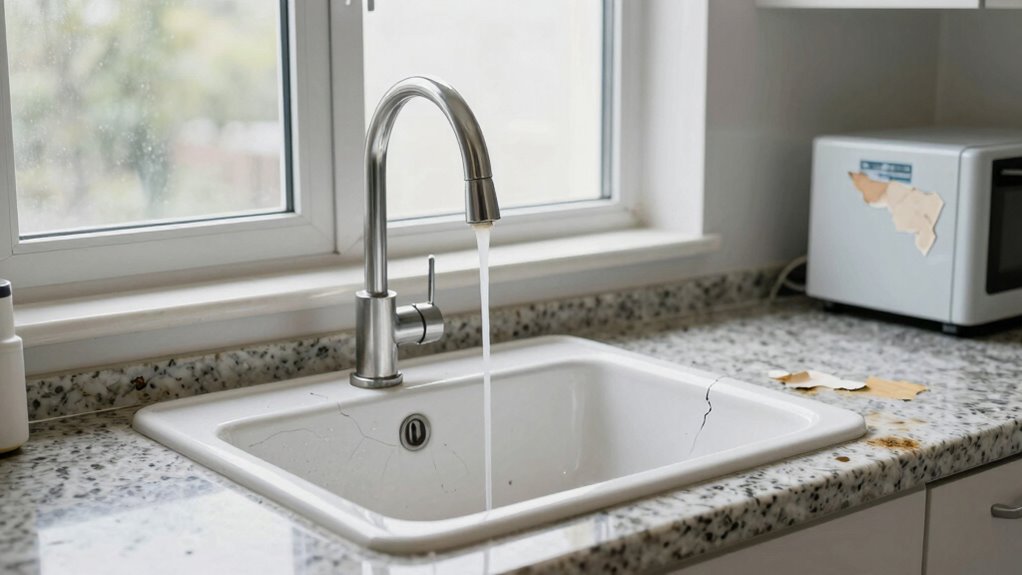

A warranty can’t protect you from damages caused by accidents, misuse, or environmental factors like storms or power surges. It also doesn’t cover repairs done without permission or caused by improper installation or DIY fixes. If you neglect maintenance or if damage results from unauthorized repairs, your warranty won’t help. Understanding these limitations is key, so keep going to uncover more important details about what warranties won’t cover.

Get your next haul delivered free with Prime
- Fast, free delivery on millions of items
- Prime Video, Amazon Music and more included
- Member-only deals all year
Key Takeaways
- Warranties do not cover damages caused by accidents, misuse, or external environmental factors.
- They exclude issues from improper installation, DIY repairs, or unauthorized modifications.
- Warranties generally do not cover wear and tear or damage from regular aging.
- External events like power surges, storms, or vandalism are typically not included.
- Additional costs may arise for repairs due to damages outside the warranty’s scope.
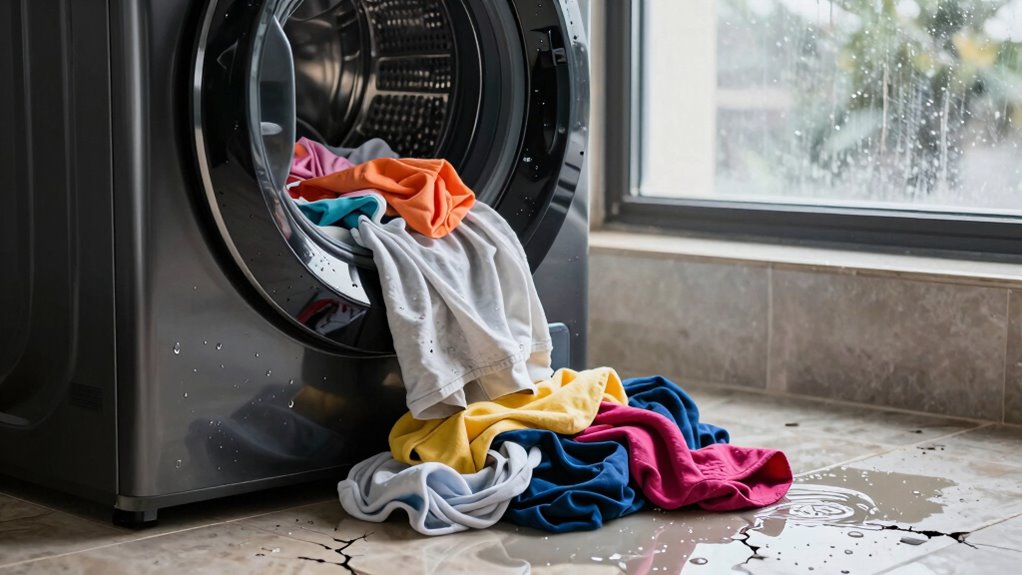
A warranty might seem like a safety net, but it doesn’t cover everything that can go wrong with a product. While warranties offer peace of mind, they often come with limitations that can catch you off guard. One common misconception is that a warranty provides all-encompassing protection, but in reality, it only covers certain issues within specific parameters. For example, many warranties include extended coverage options, which can give you extra security beyond the standard period. However, even these extended coverage plans have their limits, and it’s vital to read the fine print to understand what’s actually included. They might extend the duration of protection, but they usually don’t change the scope of what’s covered.
Warranties offer limited protection; always check the fine print to understand what’s truly covered and what’s not.
You should also be aware of service exclusions that can severely restrict your claims. Service exclusions are specific scenarios or damages that a warranty explicitly states it won’t cover. These exclusions can include accidental damage, misuse, or wear and tear, which are common sources of product failure in real-life use. If your device breaks because you dropped it or used it improperly, chances are, your warranty won’t help you fix or replace it. Instead, you might be left paying out of pocket, even if the product is relatively new. These exclusions are often listed in the warranty documentation, but many consumers overlook them, assuming they’re protected against all sorts of damages. Understanding the coverage scope is crucial to avoid surprises when making a claim. Additionally, being aware of warranty limitations can help you set realistic expectations about what is and isn’t covered. Sometimes, the conditions for claim approval require detailed documentation and proof of the issue, making the process more complex than expected.
Another aspect to think about is that warranties don’t typically cover issues caused by external factors, like power surges or environmental damage. If a storm knocks out your electronics or a power surge fries your appliance, your warranty may be useless. Additionally, warranties often exclude coverage for damages resulting from repairs or modifications made by unauthorized technicians. If you attempt to fix your product yourself or take it to an unapproved repair shop, you risk voiding the warranty altogether. This policy aims to prevent unauthorized repairs from causing further damage, but it leaves you without coverage if something goes wrong during a DIY fix. Furthermore, proper maintenance and care are often not covered, even if neglect leads to malfunction.
In the end, a warranty can provide valuable protection, but it’s not a catch-all safety net. Extended coverage can offer extra peace of mind, but it’s essential to understand what’s excluded under your warranty. Knowing the service exclusions helps you avoid surprises and prepares you for potential out-of-pocket costs. It’s also important to understand the requirements traceability process, which ensures that issues are documented and addressed systematically. Don’t assume a warranty covers every mishap—read the fine print and consider additional protections if needed. That way, you won’t be disappointed when your warranty doesn’t cover certain damages or issues.
As an affiliate, we earn on qualifying purchases.
Frequently Asked Questions
Does a Warranty Cover Accidental Damage?
A warranty typically doesn’t cover accidental damage, as manufacturer exclusions usually specify. If you accidentally break or damage your device, you’ll likely need to pay for accidental repairs out of pocket. Warranties mainly cover manufacturer defects or issues caused by normal use. To protect against accidental damage, consider purchasing an additional insurance plan or damage protection plan, since standard warranties won’t cover these mishaps.
Can I Get a Warranty Extension After Purchase?
Yes, you can typically get a warranty extension after purchase. Many providers offer extended coverage options, but timing is key—usually, you need to request it before the original warranty expires. By acting promptly, you secure extra assurance and peace of mind. Check your warranty’s terms and conditions, and contact the provider early to explore your options for extending coverage and safeguarding your investment long-term.
Are Cosmetic Damages Included in Warranty Coverage?
Cosmetic damages and aesthetic issues usually aren’t covered under warranty, since they don’t affect the product’s functionality. If you notice cosmetic flaws, like scratches or dents, your warranty likely won’t cover repairs or replacements for those aesthetic issues. Warranties tend to focus on mechanical or structural problems, so it’s best to check your specific warranty terms to understand what’s included and what’s excluded regarding cosmetic damages.
How Does Warranty Coverage Differ Internationally?
International warranty coverage varies widely due to different regulations and cultural expectations. While one country may offer extensive protection, another might limit coverage based on local laws or customs. You need to understand these differences because international regulations shape what’s included, and cultural differences influence warranty service standards. Always review specific terms for each region, as what’s covered at home may not be available abroad, affecting your overall protection.
What Happens if the Product Is Discontinued?
If the product is discontinued, your warranty likely won’t cover repairs or replacements due to product obsolescence. Manufacturers often include warranty exclusions for discontinued items, meaning they won’t support or service the product anymore. You might be left without coverage, so it’s wise to check the warranty terms beforehand. If you still want peace of mind, consider purchasing extended warranties or third-party service plans that may offer more flexibility.
external damage warranty protection
As an affiliate, we earn on qualifying purchases.
As an affiliate, we earn on qualifying purchases.
Conclusion
A warranty is like a safety net, but it’s not invincible—it won’t catch every fall. Hidden flaws, misuse, or wear and tear slip through its cracks, leaving you stranded in the storm’s eye. Remember, it’s just a shield against certain defects, not a crystal ball predicting every mishap. Protect yourself with knowledge, not just warranties, and navigate life’s unpredictable voyage with eyes wide open—prepared for what’s written in the stars, not just what’s covered under the label.
electronic device insurance plan
As an affiliate, we earn on qualifying purchases.
As an affiliate, we earn on qualifying purchases.
DIY repair tools for electronics
As an affiliate, we earn on qualifying purchases.
As an affiliate, we earn on qualifying purchases.
Fall Picks
fall essentials
As an affiliate, we earn on qualifying purchases.