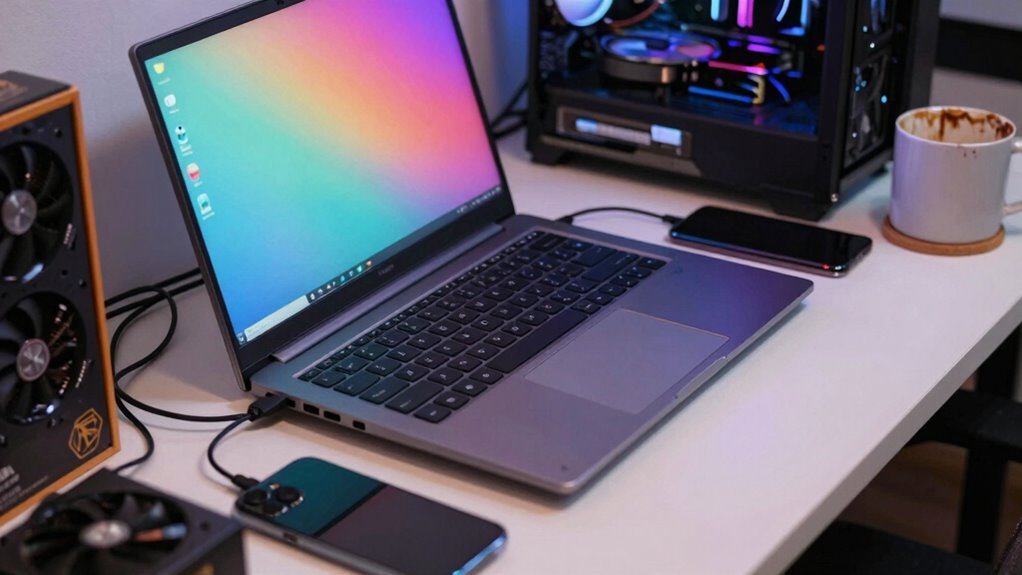

The upgrade cycle drains more money than you realize because you often focus only on the device’s price, ignoring costs for replacements, accessories, and maintenance. Frequent upgrades driven by technology fatigue, social pressure, or boredom lead to impulsive spending and emotional exhaustion. Without planning, your expenses pile up, straining your budget. To break free, you need to understand your true needs and resist unnecessary upgrades. Learn how to stop this cycle and protect your finances.
Key Takeaways
- Total costs include accessories, maintenance, and data transfer, not just the device price, leading to underestimated expenses.
- Frequent upgrades driven by technology fatigue and marketing pressure create a cycle of unnecessary and costly replacements.
- Emotional and financial exhaustion result from dissatisfaction, impulsive upgrades, and lack of planning, straining budgets.
- Evaluating actual needs and setting device replacement timelines can break the cycle and reduce unnecessary spending.
- Practicing mindful use and regular device maintenance extend lifespan, minimizing the urge and cost of frequent upgrades.

Many people underestimate how much money they actually spend on upgrading their gadgets and devices. It’s easy to get caught up in the cycle of constantly chasing the latest tech, but the real cost goes beyond the price tag. As you upgrade more frequently, you might notice a growing sense of technology fatigue—where the thrill of new features quickly wears off, leaving you feeling overwhelmed and dissatisfied. This fatigue can push you to replace devices sooner than necessary, fueling a cycle of spending that’s hard to break.
Constant upgrading fuels tech fatigue and unnecessary spending, leaving you overwhelmed and dissatisfied over time.
The problem isn’t just the emotional drain; it’s also a financial drain. When you don’t plan your upgrades carefully, you end up spending more than you realize. You might think a new phone or laptop is a one-time expense, but the costs add up over time. Replacement costs, accessories, maintenance, and even data transfer services all contribute. Without proper financial planning, these expenses can strain your budget, leaving less money for savings or other priorities.
You often justify upgrades by convincing yourself that newer models are essential, especially if you rely heavily on your devices for work or entertainment. However, many upgrades are more about upgrading for upgrade’s sake rather than actual necessity. That mindset feeds into a cycle where you’re constantly chasing the newest features, even if your current device still functions well. This desire for constant improvement can be fueled by marketing and peer pressure, making it harder to resist the urge to upgrade prematurely.
To break this cycle, you need to start by evaluating what you truly need from your devices. Do you really require the latest hardware, or are you just chasing status or the latest bells and whistles? Planning your upgrades in advance can help you save money and reduce impulsive spending. Set a timeline for when you’ll replace devices, and stick to it. This approach minimizes unnecessary purchases and helps you allocate funds more effectively.
Additionally, understanding the concept of technology fatigue can help you resist the temptation to jump into upgrades too quickly. Recognize when the desire to upgrade is driven more by boredom or frustration than genuine necessity. Proper maintenance of your current devices—like cleaning, updates, and repairs—can extend their lifespan and delay the need for upgrades. Incorporating regular device assessments can help you identify when an upgrade is truly justified, based on actual performance issues rather than trends or marketing. By practicing mindful technology use and financial discipline, you can avoid falling into the upgrade cycle that drains more money than you think. Instead, focus on maintaining your devices and making upgrades only when they’re truly justified, ensuring your spending aligns with your financial goals.
As an affiliate, we earn on qualifying purchases.
Frequently Asked Questions
How Can I Identify When an Upgrade Is Truly Necessary?
You can identify when an upgrade is truly necessary by checking software compatibility issues that hinder your workflow. If your current system no longer supports essential applications or updates, it’s time to weigh the option of an upgrade. Also, verify warranty coverage—if your device is out of warranty and repair costs escalate, upgrading might be more cost-effective. Don’t upgrade prematurely; wait until these signs clearly indicate your device can no longer meet your needs.
What Are Cost-Effective Ways to Extend Device Lifespan?
You can extend your device’s lifespan cost-effectively by focusing on battery preservation and software optimization. Avoid frequent full discharges, keep your battery between 20-80%, and reduce screen brightness. Regularly update your software for efficiency, clear unnecessary apps, and disable background processes. These simple steps help your device run smoothly longer, preventing premature upgrades and saving you money. This approach proves that small habits greatly impact device longevity.
How Do Upgrade Cycles Differ Across Various Tech Categories?
Upgrade cycles differ across tech categories mainly because of software compatibility and brand loyalty. In smartphones, frequent updates and brand loyalty prompt quicker upgrades, while laptops and desktops see slower cycles due to compatibility issues and longer-lasting hardware. Gaming consoles often have predictable cycles aligned with new releases. Understanding these patterns helps you plan better, avoiding unnecessary upgrades and saving money, especially when you stick with brands that support longer compatibility periods.
Are There Hidden Costs Associated With Frequent Upgrades?
Hidden costs lurk like shadows behind frequent upgrades. You might find hidden fees sneaking in with software subscriptions, adding up faster than expected. Each upgrade can trigger new expenses, from compatibility issues to additional accessories. These costs can drain your wallet silently, making you realize that constant upgrading isn’t just about staying current, but also about managing hidden financial traps that chip away at your budget over time.
How Does Upgrading Impact Device Resale Value?
Upgrading your device can negatively impact its resale value. Frequent upgrades often lead to higher depreciation rates, making your device less attractive in the resale market. If you upgrade often, potential buyers see less remaining lifespan and value, which lowers your selling price. To maximize resale value, consider holding onto devices longer, maintaining their condition, and upgrading only when necessary to reduce the impact of depreciation rates on your device’s worth.
As an affiliate, we earn on qualifying purchases.
Conclusion
Remember, every upgrade seems small at first, but they add up faster than you expect. Like watering a plant daily, neglecting to pause and evaluate can lead to overwatering and waste. Stay mindful of your spending and ask if that new gadget truly adds value or just feeds the upgrade cycle. Sometimes, the best upgrade is appreciating what you already have—because, as they say, “A penny saved is a penny earned.”
As an affiliate, we earn on qualifying purchases.
As an affiliate, we earn on qualifying purchases.