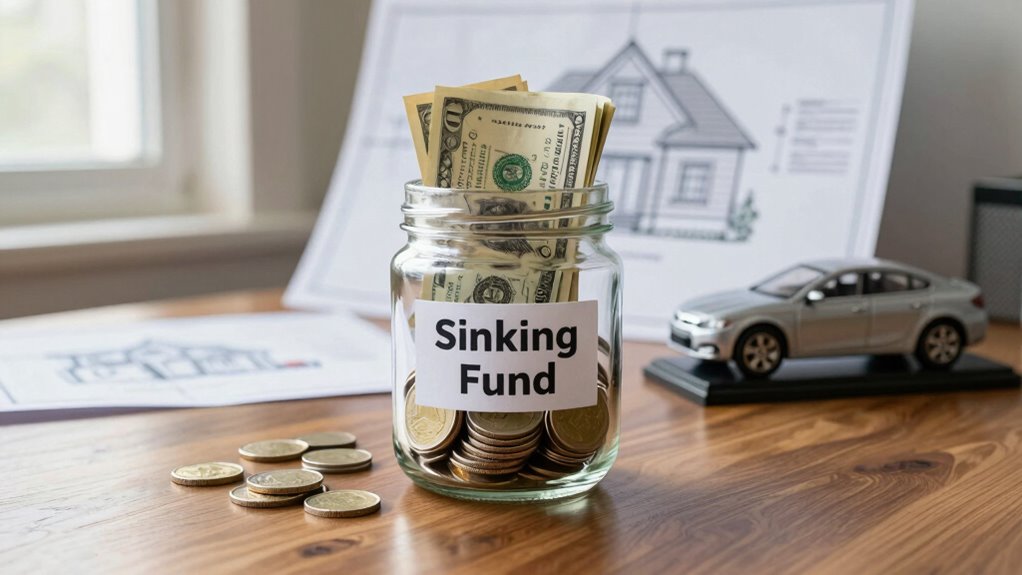

A sinking fund helps you prepare for major purchases by allowing you to save small amounts regularly over time. It keeps your finances organized and focused on your goals, so you’re not caught off guard by big expenses. By steadily building your fund, you avoid relying on credit or loans, reducing stress and making financial decisions easier. If you want to discover how to use a sinking fund effectively, keep exploring this smart savings strategy.

Get your next haul delivered free with Prime
- Fast, free delivery on millions of items
- Prime Video, Amazon Music and more included
- Member-only deals all year
Key Takeaways
- It ensures funds are accumulated gradually, making large purchases more affordable without financial strain.
- It helps clarify savings targets, guiding disciplined contributions toward specific upcoming expenses.
- It reduces reliance on credit or loans by providing dedicated, readily available cash when needed.
- It promotes organized financial planning, tracking progress toward major purchase goals over time.
- It offers psychological peace of mind, minimizing stress and anxiety associated with large expenses.
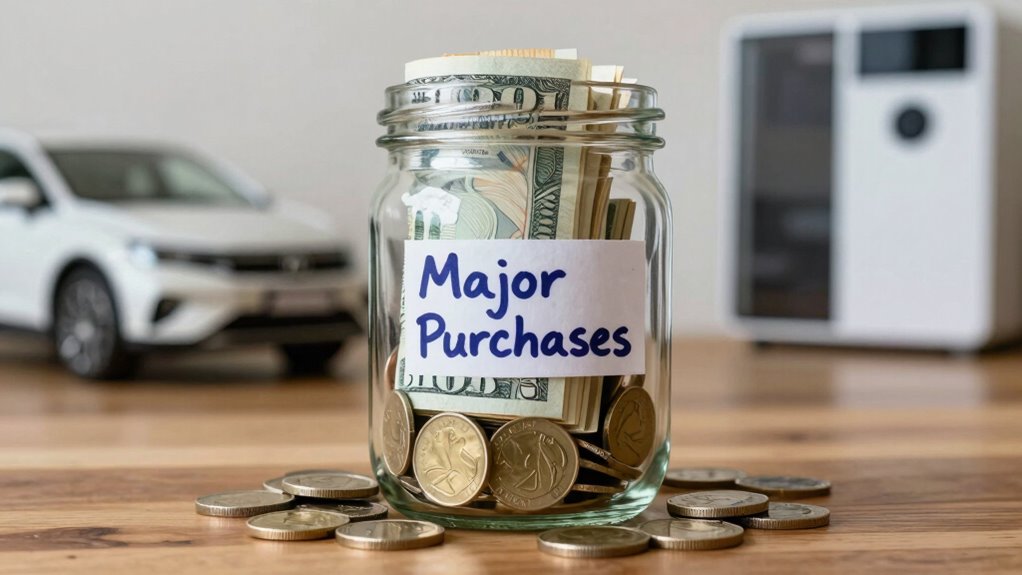
Saving for big expenses can feel overwhelming, but setting up a sinking fund makes it manageable. When you think about major purchases—like a new car, a home renovation, or a vacation—it’s easy to feel stressed about how to save enough without disrupting your other financial goals. That’s where a sinking fund comes into play. It’s a dedicated savings account where you regularly set aside small amounts of money over time, specifically for that upcoming expense. This approach helps you avoid last-minute financial scrambling and reduces the need to rely on credit, which can lead to unnecessary debt.
By establishing a sinking fund, you’re fundamentally creating a targeted investment strategy within your overall financial planning. Instead of saving haphazardly or dipping into emergency funds, you assign specific savings to each major goal. This focused approach keeps your financial planning organized, allowing you to track progress and stay motivated. Over time, the fund grows steadily, giving you confidence that the money will be there when needed. It’s a disciplined way to approach saving, and it helps you avoid the common pitfall of lacking funds when the time comes to make that big purchase. Incorporating financial planning tools like a sinking fund can further optimize your savings strategy.
Creating a sinking fund helps you stay organized, motivated, and confident in reaching your major financial goals.
Your sinking fund also encourages better money management. Since you know exactly what you’re saving for, it’s easier to prioritize your spending and cut back on unnecessary expenses. For example, if you’re saving for a new car, you might decide to eliminate a few small luxuries from your budget to contribute more towards your fund each month. This deliberate process aligns with your broader financial planning goals, ensuring that your major purchase is part of a well-thought-out strategy rather than a sudden financial burden. Additionally, understanding large numerical values in your financial planning can help you set realistic savings targets and stay on track. Recognizing the importance of holistic wellness principles can also motivate you to maintain consistent savings habits, as financial health is interconnected with overall well-being.
Another benefit of a sinking fund is that it provides peace of mind. Instead of feeling anxious about where the money will come from, you have a clear plan in place. As your savings grow, you’re reinforcing your financial stability and building good habits that will serve you well in the long term. Plus, knowing that you’re steadily working towards your goal helps you stay committed and avoid impulsive spending. Developing a personal finance strategy like a sinking fund can significantly improve your overall financial health. Recognizing how hormesis and holistic wellness principles relate to financial discipline can also motivate you to maintain consistent savings habits.
As an affiliate, we earn on qualifying purchases.
Frequently Asked Questions
How Do I Determine the Right Amount to Save Monthly?
To determine the right amount to save monthly, start by researching the cost of your major purchase and set a timeline. Use investment strategies that align with your goals, ensuring your savings grow efficiently. Consider emergency preparedness by setting aside some funds for unexpected expenses. Break down the total cost into manageable monthly contributions, adjusting as needed based on your income and other financial priorities.
Can Sinking Funds Be Used for Multiple Types of Purchases?
Absolutely, sinking funds are your versatile friends in investment strategies and fund diversification, allowing you to cover various major expenses. Think of them as a financial buffet—you can allocate portions for a new car, vacation, or home repairs. This approach keeps your money organized, reduces financial stress, and guarantees you’re prepared for multiple future needs without derailing your overall budget. It’s a smart way to stay flexible and confident in your financial plans.
What Happens if I Don’T Reach My Savings Goal?
If you don’t reach your savings goal, you might need to reassess your investment strategies and adjust your timeline. Not hitting your target increases the risk of insufficient funds for your purchase, so it’s vital to evaluate your risk assessment. Consider saving more, extending your timeline, or exploring alternative funding options to stay on track and guarantee you’re prepared for your major expense.
Are Sinking Funds Suitable for Small or Infrequent Purchases?
Think of sinking funds as a piggy bank you set aside for specific goals. They’re perfect for small purchases and infrequent expenses because you can accumulate money gradually and avoid surprise costs. For example, if you save monthly for holiday gifts or occasional home repairs, a sinking fund keeps you prepared without stressing your budget. They help you manage your finances smoothly, even with irregular or modest expenses.
How Often Should I Review and Adjust My Sinking Fund?
You should review and adjust your sinking fund regularly, at least annually, to stay aligned with your investment strategies and any changes in your planned purchases. This ongoing review enhances your emergency preparedness by ensuring you have enough saved for unexpected costs or market fluctuations. Keep track of your progress, reassess your goals, and make adjustments as needed to keep your funds on course and secure your financial future.
dedicated savings account for major purchases
As an affiliate, we earn on qualifying purchases.
As an affiliate, we earn on qualifying purchases.
Conclusion
Think of a sinking fund like planting seeds for a future tree—you nurture it over time, so when the day comes to harvest, you’re ready. I remember buying my first car, after consistently saving a little each month. That experience taught me that small, steady contributions can turn a formidable expense into a manageable milestone. With a sinking fund, you’re not just saving—you’re building confidence and control for your big purchases ahead.
financial planning tools for savings
As an affiliate, we earn on qualifying purchases.
As an affiliate, we earn on qualifying purchases.
automatic savings transfer for sinking fund
As an affiliate, we earn on qualifying purchases.
As an affiliate, we earn on qualifying purchases.
Halloween Picks
halloween
As an affiliate, we earn on qualifying purchases.