
TL;DR

Get your next haul delivered free — and shop member deals
- Fast, free delivery on millions of items
- Access to Prime Big Deal Days deals on October 6–7
- Prime Video, Amazon Music and more included
At Sibos 2026, Federal Reserve Governor Christopher Waller discussed how AI could affect cross-border payments and emerging agent-led shopping. He pointed to possible gains in fraud screening and payment routing, while stressing that delegated purchases need stronger trust mechanisms and safeguards. The address did not set policy or announce a new payment system.
Federal Reserve Governor Christopher Waller said artificial intelligence could help improve cross-border payment screening and routing, while AI agents that shop and pay on a consumer’s behalf will require stronger safeguards. In a speech delivered at Sibos 2026 in Miami on September 29, he described agentic commerce as an emerging area for payments, not a mature system or a new Federal Reserve initiative.
Waller said financial firms have used machine learning for payment-fraud detection and adopted large language models for tasks such as reconciliation. He argued that AI could also help identify suspicious cross-border transactions. Research, he said, has found that large language models can reduce false-positive alerts in illicit-finance screening, which may allow investigators to focus on higher-risk cases and reduce delays for legitimate payments. He did not provide figures or identify the research in the speech excerpt.
He expects AI to augment, not replace, faster conventional anomaly-detection methods. Waller also described potential applications in cyber defense, software security, payment routing, foreign-exchange conversion and liquidity management. AI tools may help identify vulnerabilities or compare routing options across cost, speed and reliability, he said, but he warned that attackers may need to exploit only one weakness while payment operators must defend a broad, interconnected system.
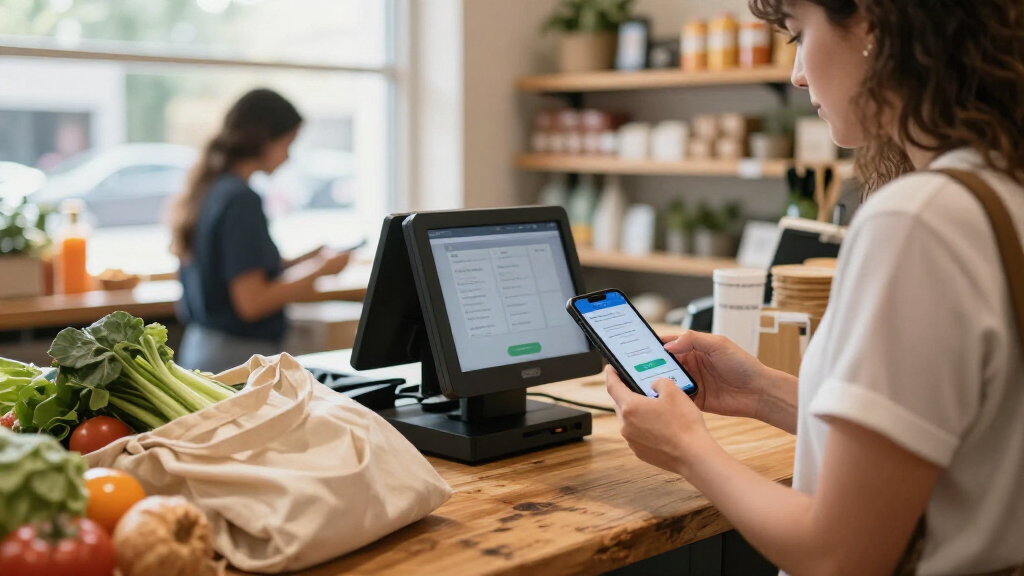
Waller separated agentic commerce into two models. In agent-assisted shopping, an AI helps a customer find products, but the customer chooses and pays. In agent-delegated shopping, a customer authorizes an agent to make purchases within set limits; his example was an agent using a prefunded virtual card to order groceries based on past purchases. He said consumer-to-business transactions are expected to be an early use case, with assisted functions likely preceding more autonomous purchases.
Safeguards for Agent-Led Purchases
The distinction between helping a customer shop and having authority to spend is central to the payments industry’s next decisions. A delegated agent could reduce the steps involved in routine purchases, but an error, unclear instruction or compromised account could also lead to an unintended payment. Waller said this model carries higher risks and requires a more extensive buildout of trust mechanisms and guardrails.
For consumers, the practical questions include how spending limits are set, how an agent’s actions can be reviewed or stopped, and who is responsible if a purchase goes wrong. For banks, card networks, merchants and payment providers, broader adoption could affect authorization, identity checks, dispute handling and fraud controls. Waller raised these issues as challenges for the industry; his speech did not prescribe specific standards or announce that the risks have been resolved.
Cross-border payments also have potential stakes. Better screening and routing could make some transfers less costly or less delayed, but Waller presented these as possible benefits rather than measured outcomes. His warning about cyberattack risks underscores that faster or more automated processes must be matched by protections for complex payment infrastructure.
AI-powered payment fraud detection tools
As an affiliate, we earn on qualifying purchases.
As an affiliate, we earn on qualifying purchases.
From Fraud Detection to Commerce
Waller framed the speech as a continuation of his discussion at the previous year’s Sibos, where he addressed emerging technologies and global payments. This year, he focused on AI. He said the payments sector already has a record of applying machine learning to fraud and large language models to reconciliation, while AI-agent infrastructure is being developed to support more autonomous economic activity.
He also referred to a Federal Reserve industry roundtable on agentic commerce that he hosted earlier in the summer. Participants broadly viewed the field as being at an early stage, he said, even as it could reshape commerce and payments if adoption grows. Waller’s remarks are a speech outlining opportunities and questions, not an announcement of a Federal Reserve rule, product or timetable.
“I expect LLMs to augment, rather than replace, faster, more traditional anomaly detection methods.”
— Christopher Waller, Federal Reserve governor, speaking at Sibos 2026
virtual prepaid cards for autonomous shopping
As an affiliate, we earn on qualifying purchases.
As an affiliate, we earn on qualifying purchases.
Open Questions on Control and Liability
Waller did not set out technical standards for authorizing an agent, defining spending limits, authenticating a user or resolving disputes over an agent’s purchases. His speech also did not identify when delegated commerce might become widely available or how responsibility would be divided among consumers, AI firms, merchants and payment providers.
The potential screening and routing benefits remain conditional. The address cited research on false-positive alerts but did not provide a numerical result, study details or evidence that the gains apply across payment systems. It is also unclear how quickly AI-enabled cyberattacks and defensive tools will affect real-world payment infrastructure. Waller described both the promise and the risks without claiming that either outcome is settled.
As an affiliate, we earn on qualifying purchases.
Industry Work on Agent Controls
Waller’s speech points to further work by payment providers, banks, merchants and AI firms on how agents receive authority, follow consumer instructions and operate securely. The immediate development described in the address is a discussion of emerging possibilities, rather than a scheduled policy decision or implementation deadline.
As agent-assisted shopping develops, the next test will be whether firms can establish clear controls before moving toward agents that can make purchases independently. Waller’s remarks identify trust, cybersecurity and payment-system resilience as issues to address, but do not specify a formal process or milestone for that work.
cross-border payment security solutions
As an affiliate, we earn on qualifying purchases.
As an affiliate, we earn on qualifying purchases.
Key Questions
What did Christopher Waller say about AI and payments?
He said AI may help with cross-border payment screening, cybersecurity and routing, and described agentic commerce as an emerging area. He also warned that autonomous purchases need stronger safeguards.
What is the difference between agent-assisted and agent-delegated shopping?
With agent-assisted shopping, the AI helps find products while the customer decides and pays. With agent-delegated shopping, the customer authorizes the AI to make purchases within specified limits.
Did the Federal Reserve announce new rules for AI agents?
No. Waller’s speech outlined possible uses, risks and open questions. It did not announce new rules, a Federal Reserve product or an implementation timetable.
How could AI affect cross-border payments?
Waller said AI could help screen transactions for illicit activity and optimize routing, foreign-exchange conversion and liquidity decisions. These were described as potential applications, not guaranteed or quantified improvements.
What remains unclear about AI agents making payments?
The speech did not specify common standards for authorization, spending limits, security or dispute resolution, or how responsibility would be assigned if an agent makes an unintended purchase.
Source: primary
Halloween Picks
halloween
As an affiliate, we earn on qualifying purchases.