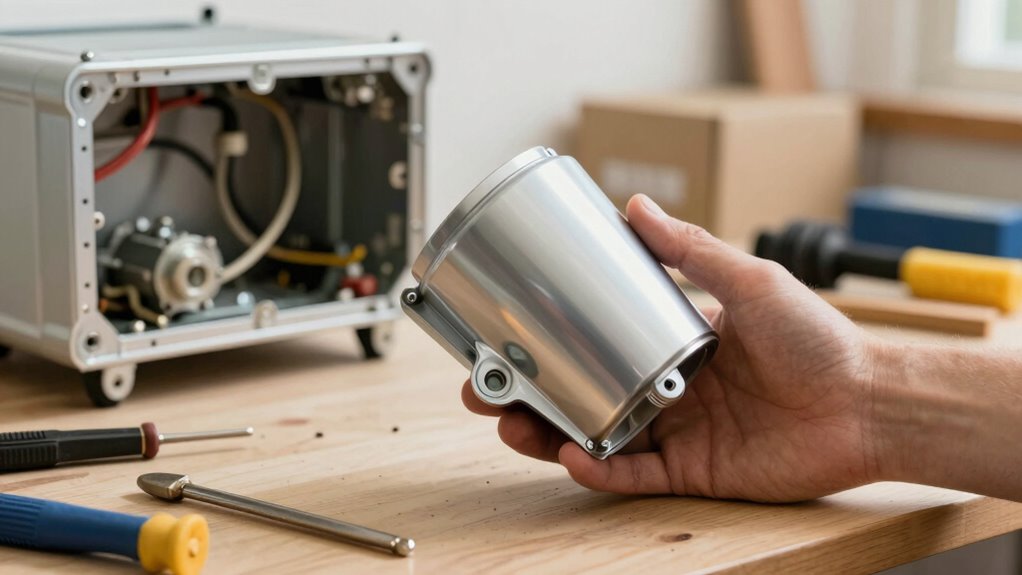

Your insurance deductible matters when replacing home equipment because it’s the amount you must pay out of pocket before your insurer covers the rest. Choosing a higher deductible can lower your premiums but means more upfront costs if you have a claim. Knowing your deductible helps you plan financially and avoid surprises. Understanding how deductibles work guarantees you’re prepared and can make smarter decisions about coverage options. Keep going to learn more about how deductibles impact your claims process.

Get your next haul delivered free with Prime
- Fast, free delivery on millions of items
- Prime Video, Amazon Music and more included
- Member-only deals all year
Key Takeaways
- Deductibles determine the initial out-of-pocket expense before insurance coverage begins during equipment replacement.
- Choosing higher deductibles lowers premiums but increases upfront costs when replacing home equipment.
- Understanding deductibles helps estimate total costs and avoid surprises during the replacement process.
- Deductibles influence how much the insurer will pay after a claim, affecting the affordability of upgrading equipment.
- Knowing your deductible ensures better planning and decision-making for equipment upgrades within insurance coverage limits.
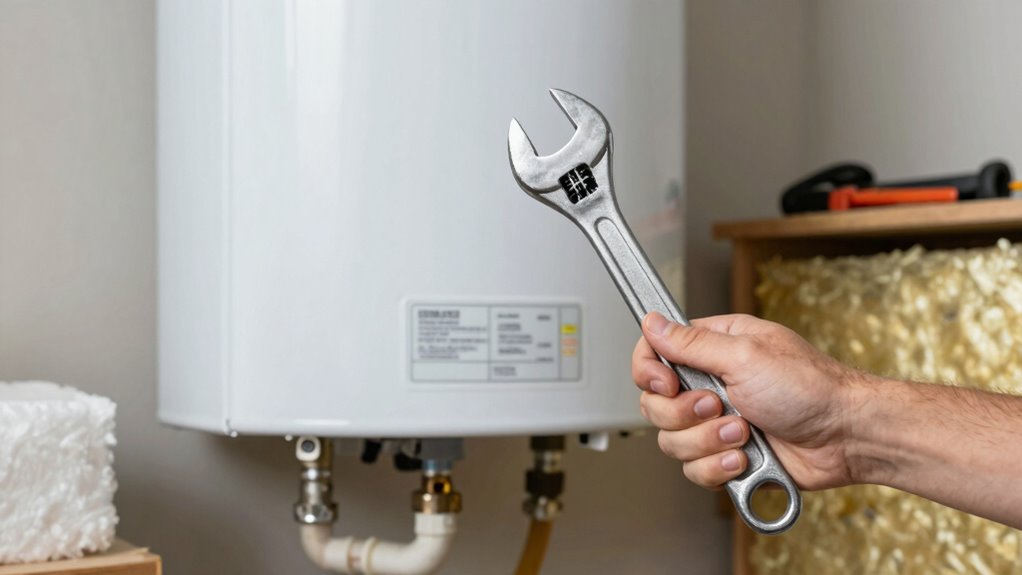
Have you ever wondered how insurance deductibles impact the process of replacing damaged home equipment? When your home equipment, like a water heater or HVAC system, breaks down or gets damaged, understanding how deductibles fit into the insurance process is essential. Your insurance policy outlines policy limits, which set the maximum amount the insurer will pay for a claim. These limits can influence how much you’ll need to cover out of pocket and how the claim process unfolds. If your damages exceed these limits, you might find yourself responsible for additional costs, making it imperative to know your policy coverage beforehand.
When you file a claim, the deductible comes into play immediately. It’s the amount you agree to pay out of pocket before your insurer covers the remaining costs. For example, if your water heater costs $3,000 to replace and your deductible is $500, you’re responsible for that initial $500. The insurer then handles the remaining $2,500, up to your policy limits. This process underscores why choosing a deductible that balances affordability and risk is key. A higher deductible usually lowers your premium but means you’ll pay more upfront when damage occurs, which can be a concern if unexpected costs arise.
The claim process itself hinges on these factors. Once you report the damage, your insurer will assess the claim, often sending an adjuster to evaluate the damage and determine coverage. During this process, policy limits matter because if the damage exceeds those limits, your claim may be capped, and you’ll need to cover the extra costs. Knowing your coverage limits helps you prepare financially for potential out-of-pocket expenses. It also affects how you communicate with your insurer—being aware of these caps ensures you’re not caught off guard if the damage surpasses what the policy will cover. Additionally, understanding your insurance policy can help you identify gaps in coverage that might impact your financial readiness.
Furthermore, understanding your policy limits and deductible options can influence the decisions you make about home equipment upgrades or replacements. For instance, if you’re considering a more expensive, energy-efficient model, knowing the coverage limits helps you evaluate whether the insurance payout will be sufficient to cover the new equipment. Being proactive in understanding these factors means you won’t be blindsided by unexpected costs or delays during the claim process. It also empowers you to choose coverage options that best fit your financial situation and risk tolerance, ultimately making the replacement process smoother and less stressful.
Additionally, having a clear knowledge of coverage options and how they relate to your deductibles can help you make more informed decisions when selecting insurance plans. Being aware of policy limits and their impact on your coverage can prevent surprises and help you plan for potential out-of-pocket expenses in advance. Understanding insurance policies more thoroughly can also assist you in negotiating better terms or adjusting your coverage to suit your needs.
water heater replacement insurance coverage
As an affiliate, we earn on qualifying purchases.
As an affiliate, we earn on qualifying purchases.
Frequently Asked Questions
How Do Insurance Deductibles Vary Between Providers?
Insurance deductibles vary between providers due to policy differences and coverage limitations. Some companies set flat deductibles, while others base them on a percentage of your home’s value. You might find higher deductibles with extensive coverage or lower ones with basic plans. Always review your policy details carefully, as coverage limitations can influence deductible amounts, affecting how much you’ll pay out-of-pocket when replacing home equipment.
Can I Choose a Higher Deductible to Lower Premiums?
Yes, you can choose a higher deductible to lower premiums through deductible strategies. Think of it like a seesaw: as your deductible goes up, your premium discounts typically go down, saving you money upfront. For example, increasing your deductible from $500 to $2,000 might reduce your premium considerably. Just make sure you can cover the higher deductible costs if a claim arises, balancing savings with potential out-of-pocket expenses.
What Happens if the Repair Costs Are Less Than the Deductible?
If repair costs are less than your deductible, you typically won’t file a claim, so the insurer won’t pay anything. This means you cover the repair costs out-of-pocket, and your claim process may be unnecessary. Be aware of coverage limitations, as some policies won’t cover small damages. Always weigh the cost of repairs against your deductible to decide whether to proceed or wait until damage exceeds the deductible.
Are Deductibles the Same for All Types of Home Equipment?
No, deductibles aren’t the same for all types of home equipment. Coverage limits and policy exclusions vary, which can affect your deductible amount depending on the equipment. For example, appliances might have different deductibles than HVAC systems. Always review your policy details, as some items may have higher deductibles or exclusions. This helps you understand your financial responsibility and avoid surprises during claims.
How Do Deductibles Affect Claim Approval Times?
Your deductible impact can influence claim processing times. When your claim involves a higher deductible, insurers might take longer to verify costs and approve the claim because more detailed assessments are needed. Conversely, lower deductibles often lead to quicker approval, as the claim amount is smaller and easier to process. Being aware of how deductibles affect claim processing helps you understand potential delays and prepare accordingly.
HVAC system insurance deductible
As an affiliate, we earn on qualifying purchases.
As an affiliate, we earn on qualifying purchases.
Conclusion
Understanding your insurance deductible is like knowing the gatekeeper to your home’s financial safety net. It might be small, but it can make a world of difference when replacing home equipment. Don’t let hidden costs catch you off guard—be prepared and informed. Remember, a well-chosen deductible is your shield, turning what seems like a tiny fee into a mighty fortress against unexpected expenses. Stay savvy, and keep your home protected!
home appliance insurance policy limits
As an affiliate, we earn on qualifying purchases.
As an affiliate, we earn on qualifying purchases.
insurance claim deductible calculator
As an affiliate, we earn on qualifying purchases.
As an affiliate, we earn on qualifying purchases.
Columbus Day / Indigenous Peoples' Day Picks
long weekend sales
As an affiliate, we earn on qualifying purchases.