

Paying cash usually costs less over time because it avoids interest charges and gives you bargaining power to lower the purchase price. Financing, on the other hand, can increase your total costs due to interest, especially with longer loan terms. Your choice depends on your financial stability and interest rates. If you want to learn how to assess your options and make the best decision, keep exploring these factors further.

Get your next haul delivered free — and shop member deals
- Fast, free delivery on millions of items
- Access to Prime Big Deal Days deals on October 6–7
- Prime Video, Amazon Music and more included
Key Takeaways
- Paying cash eliminates interest costs, often making it cheaper over time than financing with interest.
- Higher interest rates increase total loan costs, potentially making financing more expensive than paying cash.
- Longer loan terms reduce monthly payments but increase overall interest paid, impacting total costs.
- Small differences in interest rates can significantly affect total repayment over the loan’s duration.
- Personal financial stability and liquidity influence whether paying cash or financing is more cost-effective.
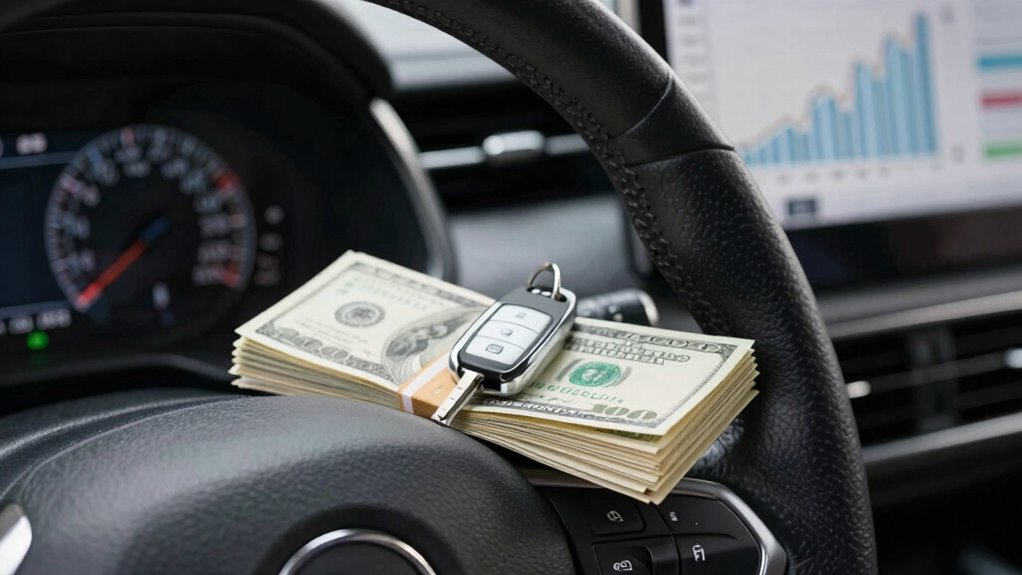
Have you ever wondered whether financing a purchase or paying cash is the smarter move? It’s a common dilemma, and the answer depends on several factors, especially interest rates and loan terms. When you choose to finance, you’re fundamentally borrowing money, and the cost of that borrowing hinges on the interest rates. Lower rates mean less money paid over time, while higher rates can make financing more expensive than paying upfront. The length of the loan, or the loan terms, also plays a vital role. Longer terms often come with lower monthly payments but can lead to paying more in interest overall. Shorter terms typically mean higher monthly payments but less paid in interest, making the total cost lower.
Choosing between financing and paying cash depends on interest rates and loan terms.
If you’re considering financing, it’s imperative to be aware of the interest rates you qualify for. Even a small difference in rates can considerably impact the total cost of the purchase over the loan period. For example, a 3% interest rate versus a 6% rate can mean thousands more paid in interest over the course of a 60-month loan. Additionally, the loan terms matter because they influence how much you pay each month and how long you’re in debt. While longer loan terms may be tempting due to lower payments, they often come with more interest paid overall, increasing the total cost. Conversely, shorter loan terms might require higher monthly payments but reduce the total interest paid, saving you money in the long run. Understanding the significance of interest rate differences can help you better evaluate your options. Moreover, being aware of loan amortization can help you understand how payments are applied over time and how they affect your total interest paid. Recognizing the impact of payment structure can also shed light on how your payments influence the overall cost.
On the other hand, paying cash eliminates interest entirely, making it a straightforward way to avoid paying more for the purchase. Paying with cash can also give you more leverage in negotiations, potentially lowering the purchase price. However, you need enough liquidity to pay upfront without draining your emergency fund or sacrificing other financial goals. If you do have the cash available, paying outright can often be the less expensive option over time, especially if interest rates are high or loan terms are long. But if paying cash means depleting your savings or missing out on investment opportunities, financing might be a better choice, especially if you can secure a low-interest rate. Understanding the impact of interest rates and how they influence the total cost is crucial to making informed financial decisions.
Ultimately, the decision hinges on your financial situation, the interest rates available, and the loan terms offered. Carefully weigh the cost of interest paid over time against the benefits of preserving your cash for other uses. By understanding how interest rates and loan terms influence the total cost, you can make a more informed choice that aligns with your financial goals.
personal loan interest calculator
As an affiliate, we earn on qualifying purchases.
As an affiliate, we earn on qualifying purchases.
Frequently Asked Questions
How Does Credit Score Affect Financing Options and Interest Rates?
Your credit score substantially affects your financing options and interest rates. A higher credit impact improves your chances for loan approval and often secures lower interest rates, saving you money over time. Conversely, a lower score may lead to higher rates or even denial of credit. To get the best terms, you should work on improving your credit before applying, as lenders view your credit history as a key factor in the approval process.
Are There Tax Advantages to Financing a Purchase?
Think of financing as planting seeds that grow tax advantages over time. You can often claim tax deductions on interest payments, turning your loan into a financial garden of savings. Financing incentives, like rebates or low-interest offers, act as fertilizer, making your purchase more affordable. These perks can reduce your overall cost, giving you a brighter financial harvest while you enjoy your new item.
What Hidden Fees Should I Watch for When Financing?
When financing, watch out for hidden fees like origination charges, late payment penalties, and prepayment penalties that can increase your costs. These financing pitfalls often go unnoticed but can add up quickly. Always read the fine print, ask about all fees upfront, and compare loan terms carefully. Being aware of these hidden costs helps you avoid surprises and guarantees you make a well-informed financial decision.
How Does Inflation Impact the Total Cost of Financing?
Inflation is like a sneaky thief that erodes the real value of your money over time, making your financing costs potentially higher. When interest rates are high and loan terms lengthy, inflation can increase your total repayment amount. As prices rise, the money you borrow today might be worth less in the future, but you still pay back the same nominal amount, boosting your overall costs.
Can Paying Cash Improve Negotiation Power?
Paying cash can markedly improve your negotiation strength because it provides cash leverage. Sellers often prefer cash offers since they’re quicker and less risky, giving you an advantage in negotiations. With cash, you might secure better terms or a lower price. Your ability to demonstrate financial readiness boosts your confidence and bargaining power, making it more likely that you’ll get favorable outcomes in the deal.
buying a car with cash or financing
As an affiliate, we earn on qualifying purchases.
As an affiliate, we earn on qualifying purchases.
Conclusion
Ultimately, deciding between financing and paying cash depends on your financial goals. Did you know that over 70% of Americans finance their cars? While financing can help preserve cash flow, paying cash often saves you thousands in interest. Think about your long-term plans and budget carefully. If you can comfortably pay cash, it might be the cheaper route. But if keeping cash on hand matters more, financing could be the smarter choice—just weigh your options wisely.
As an affiliate, we earn on qualifying purchases.
best credit card for low interest rates
As an affiliate, we earn on qualifying purchases.
As an affiliate, we earn on qualifying purchases.
Fall Picks
fall essentials
As an affiliate, we earn on qualifying purchases.