

If you’re choosing between extended warranties and self-insuring, consider your risk tolerance and financial habits. Extended warranties provide predictable costs and peace of mind, but often come with high upfront premiums and coverage limits. Self-insuring lets you save for repairs and offers more flexibility, but requires discipline and knowledge of potential costs. Your decision depends on how often repairs occur and how comfortable you are with risk—more details can help clarify your best option.

Get your next haul delivered free — and shop member deals
- Fast, free delivery on millions of items
- Access to Prime Big Deal Days deals on October 6–7
- Prime Video, Amazon Music and more included
Key Takeaways
- Extended warranties involve paying upfront for coverage, while self-insuring requires setting aside funds for future repairs.
- Extended warranties may have coverage limits and exclusions, unlike self-insuring which offers more flexibility.
- Self-insuring can be more cost-effective if repairs are infrequent, whereas warranties provide predictable costs.
- Extended warranties suit risk-averse individuals seeking certainty; self-insuring appeals to those comfortable with financial risk.
- Both options depend on repair costs, reliability of the item, and personal financial situation for an informed choice.
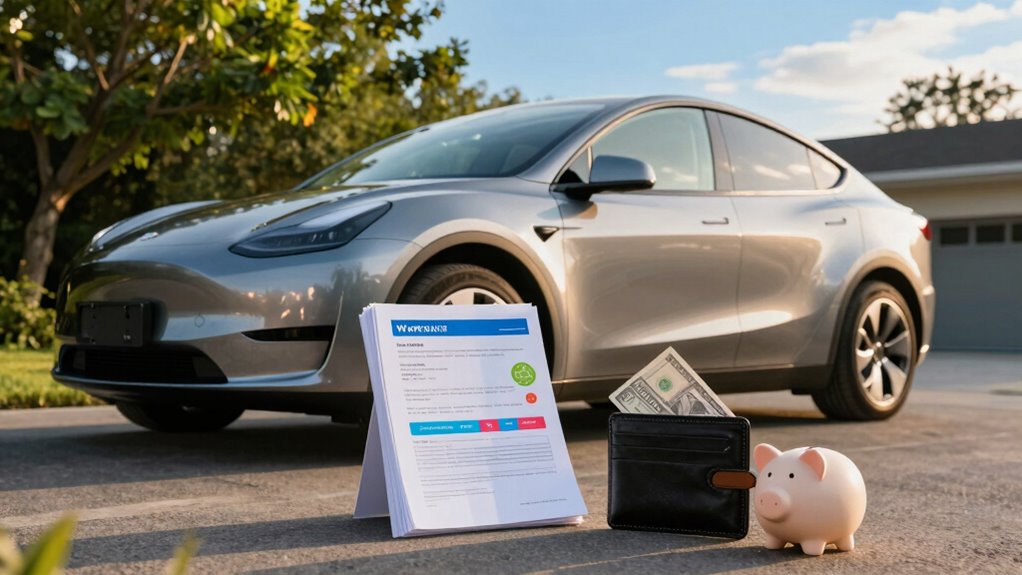
When deciding between purchasing an extended warranty or self-insuring, understanding the key differences and potential benefits of each approach is essential. Extended warranties typically involve paying a premium upfront for coverage that kicks in after the manufacturer’s warranty expires. This can provide peace of mind, especially if you’re worried about costly repairs down the line. However, it’s vital to consider the cost implications—extended warranties often come with a significant price tag, which may or may not be justified based on the likelihood of needing repairs. Additionally, coverage limitations are common; these plans often exclude certain repairs or parts, and you might find yourself paying out-of-pocket for issues that aren’t covered. It’s important to read the fine print carefully to understand what’s included and what isn’t, so you’re not caught off guard when repairs are needed.
On the other hand, self-insuring means setting aside funds to cover potential repairs yourself, rather than paying for a warranty plan. This approach can be more cost-effective if you’re willing to take on the risk of unexpected expenses. By self-insuring, you avoid paying premiums for coverage that might never be used, which can save you money over time. But it also requires discipline—if you don’t consistently save enough, you might struggle to cover repairs when they arise. Plus, self-insuring gives you the flexibility to decide which repairs are worth covering without being limited by coverage restrictions. You’re in control, and you can prioritize repairs based on your financial situation and needs. Understanding repair reliability** and how often issues occur can help inform your decision, especially if the item is prone to frequent problems. Moreover, knowing about maintenance practices can extend the lifespan of your belongings, reducing the need for repairs altogether. Additionally, researching product durability can help you select items that are less likely to require repairs, making self-insuring even more viable. A thorough understanding of the cost of repairs** and their frequency can further aid in making an informed choice.
The decision also depends on your risk tolerance. If you prefer certainty and want to avoid unpredictable costs, extended warranties might be appealing despite their potential coverage limitations and costs. Conversely, if you’re comfortable with some risk and have the discipline to save regularly, self-insuring can be a smarter financial move. It’s also worth considering the reliability of the item in question—if it’s prone to frequent issues, an extended warranty might offer better protection, but if it’s known for durability, self-insuring could be more advantageous.
Ultimately, both options have their merits, and your choice depends on your financial situation, risk appetite, and the specific item’s reliability. Carefully evaluate the cost implications and coverage limitations of each approach to make an informed decision. Whether you lean toward a warranty or self-insuring, understanding these factors will help you manage expenses effectively and avoid surprises when repairs are needed.
extended warranty for electronics
As an affiliate, we earn on qualifying purchases.
As an affiliate, we earn on qualifying purchases.
Frequently Asked Questions
How Do Extended Warranties Impact Overall Long-Term Costs?
Extended warranties can increase your long-term costs due to upfront fees, but they offer predictable expenses and peace of mind. You’re effectively managing risk by covering potential repairs, which can protect you from unexpected expenses. However, a thorough cost comparison shows that self-insuring might save money if your device stays reliable. Ultimately, your decision depends on balancing the predictability of extended warranties with the potential savings of self-insuring.
What Are the Typical Exclusions in Extended Warranty Plans?
You might think extended warranties cover everything, but beware of coverage limitations and claim exclusions that can surprise you. Common exclusions include accidental damage, normal wear and tear, cosmetic issues, and pre-existing conditions. Some plans also exclude electronics or specific parts. Always read the fine print, because these exclusions can leave you paying out-of-pocket for repairs you assumed were covered, turning your warranty into a false sense of security.
Can I Customize Coverage Within a Self-Insurance Approach?
Yes, with a self-insurance approach, you can customize coverage to suit your needs, offering greater coverage flexibility. You decide what risks to retain and which to transfer, allowing tailored risk management strategies. This control helps you avoid typical exclusions found in extended warranties, ensuring you only pay for coverage that truly benefits you. Customization makes self-insuring a flexible, strategic option for managing your financial risks effectively.
How Does Claim Process Differ Between Warranties and Self-Insurance?
With warranties, claim filing is straightforward—you contact the provider, submit proof of purchase, and follow their process, which often includes predefined coverage limits. In self-insurance, you handle claim filing directly, reviewing your policy’s coverage limits and determining if expenses qualify. You may need to negotiate or verify costs yourself, giving you more control but also more responsibility for managing claims and staying within your coverage limits.
Are There Tax Advantages to Self-Insuring?
Think of self-insuring like planting a tree—you save money now, and over time, your tax benefits grow. Yes, there are tax advantages; your business can deduct certain expenses, including claims paid, which lowers taxable income. The deductible advantages make self-insuring attractive, especially for larger risks. Just remember, keeping detailed records is essential to maximize these benefits and guarantee you’re prepared for potential claims.
self-insurance for home appliances
As an affiliate, we earn on qualifying purchases.
As an affiliate, we earn on qualifying purchases.
Conclusion
Choosing between extended warranties and self-insuring is like steering a river—each option offers a different current to follow. Extended warranties might be your safety net, providing peace of mind, but they come with costs. Self-insuring lets you chart your own course, saving money if you’re prepared, but risking rough waters. Weigh your risk tolerance and financial situation carefully—your decision shapes your journey, so make it with confidence and clarity.
electronics repair protection plans
As an affiliate, we earn on qualifying purchases.
As an affiliate, we earn on qualifying purchases.
warranty vs self-insuring for gadgets
As an affiliate, we earn on qualifying purchases.
As an affiliate, we earn on qualifying purchases.
Fall Picks
fall essentials
As an affiliate, we earn on qualifying purchases.