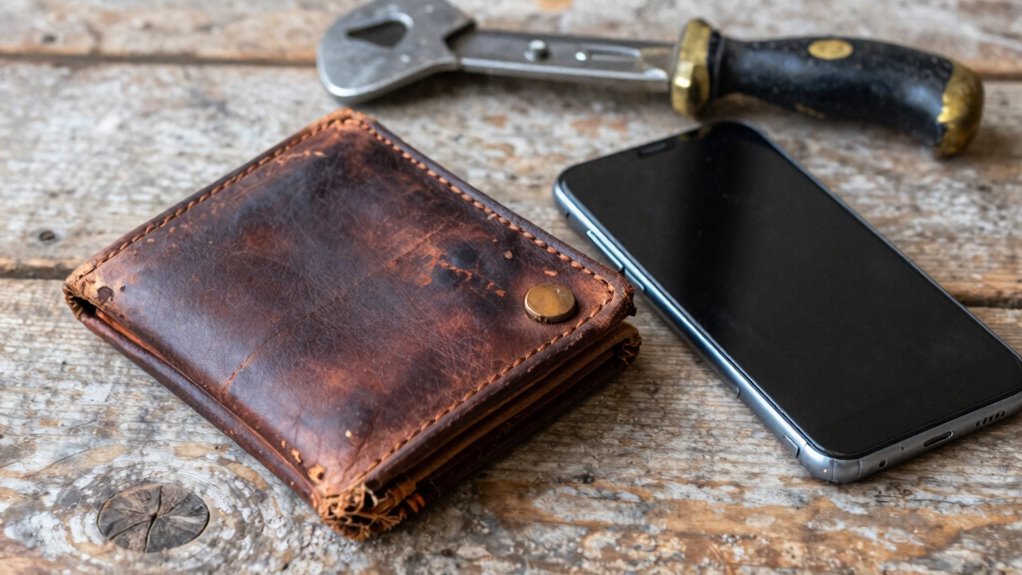

Choosing durability over cheapness is a smart financial move because it saves you money long-term. When you invest in high-quality, long-lasting items, you reduce the need for frequent replacements and repairs. This steady approach helps you avoid unexpected costs and keeps your finances stable. By focusing on the true value of products—reliability and longevity—you can make smarter choices that pay off over time. Keep exploring to understand how sustainable spending can boost your financial health even more.
Key Takeaways
- Investing in durable items reduces long-term replacement and repair costs, maximizing overall value.
- Prioritizing quality over short-term savings promotes smarter, more sustainable spending habits.
- Durable products often feature better materials and safety, enhancing longevity and performance.
- Making long-lasting purchases aligns with financial stability by avoiding frequent, unnecessary expenses.
- Emphasizing durability encourages thoughtful consumption, fostering patience and disciplined wealth building.
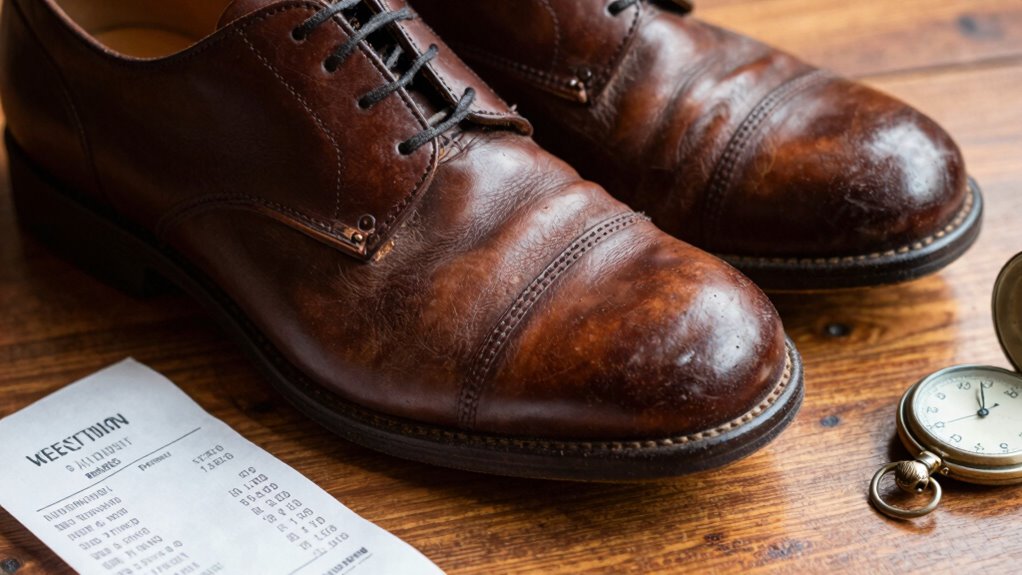
When you choose to buy durable items, you’re not just making a smarter purchase—you’re also learning a valuable money lesson. Opting for quality over quantity reflects a deliberate approach to your spending, one rooted in understanding effective investment strategies. Instead of succumbing to the impulse of buying cheaper, short-lived products, you’re making a conscious decision to prioritize items that last. This choice demonstrates that you recognize the long-term value of investing in quality, which can save you money over time. Durable goods might cost more upfront, but they reduce the frequency of replacements, repair costs, and the overall expense associated with constantly upgrading or fixing inferior products. This shift in buying habits aligns with sound investment strategies—thinking beyond the immediate price tag and focusing on the overall return on your expenditure.
Your decision to buy for durability also taps into consumer psychology. Many of your purchasing habits are influenced by emotional factors, social pressures, or the desire for instant gratification. However, choosing durable items often requires resisting these impulses and embracing a more disciplined mindset. You understand that genuine value isn’t always reflected in the flashy features or the lowest price but in the product’s ability to serve you reliably over time. This awareness fosters a more thoughtful, intentional approach to consumption, helping you avoid buyer’s remorse linked to fleeting trends or superficial appeal. You start to see your purchases as investments, not just expenses, which shifts your mindset toward sustainability and practicality. Additionally, considering the contrast ratio of projectors when selecting equipment ensures images are vivid and detailed, extending the longevity of your viewing quality. Recognizing that electric dirt bikes can produce comparable horsepower to traditional gas-powered bikes further emphasizes the importance of selecting durable, high-performance options for off-road adventures.
Moreover, buying durable items can reinforce a sense of control over your finances. When you invest in quality, you’re less vulnerable to frequent replacement cycles and unexpected costs. This stability allows you to allocate your money more strategically, whether it’s saving for future needs or investing in experiences that truly matter. Over time, this habit cultivates patience and discipline, two essential traits for building wealth. You realize that the value of a purchase isn’t solely measured by its price but by its ability to serve your needs efficiently and last through the test of time. Recognizing the importance of solar system safety and proper design also plays a part in making smarter, long-lasting investments that protect your home and family. Furthermore, understanding the straining paint process can help you select more durable coatings that withstand wear and tear, ultimately saving you money on maintenance and reapplication. Additionally, exploring innovative materials can lead to more sustainable and long-lasting products, aligning with your commitment to durability and smart spending. In summary, your focus on durability teaches you that wise money management isn’t just about saving pennies today but about making smarter, more sustainable choices that benefit you in the long run.
high durability kitchen cookware set
As an affiliate, we earn on qualifying purchases.
As an affiliate, we earn on qualifying purchases.
Frequently Asked Questions
How Do I Determine Which Products Are Truly Durable?
To determine which products are truly durable, check the material quality—look for sturdy, high-grade materials that resist wear and tear. Research the brand reputation too; reputable brands often prioritize quality and longevity. Read reviews and ask for recommendations to see if others find the product lasting. By combining insight into material quality and brand reputation, you’ll make smarter choices that save you money in the long run.
Does Buying Durable Goods Always Save Money Long-Term?
Buying durable goods can save money long-term, but it’s not always a slam dunk. You need to do a proper cost comparison, weighing the initial price against longevity and maintenance costs. Don’t forget the environmental impact—long-lasting items often mean less waste. While durability pays off over time, consider your specific needs and budget to make sure you’re not chasing rainbows. Sometimes, short-term savings can be just as smart.
Are There Specific Brands Known for Durability?
Yes, some brands are known for durability, thanks to their strong reputation and high material quality. For example, brands like Le Creuset and Patagonia stand out because they use top-grade materials and have a proven track record. When you choose these brands, you’re investing in products that last longer, saving you money over time. Always check reviews and reputation to guarantee you’re selecting a truly durable product.
How Does Maintenance Affect the Lifespan of Durable Items?
Maintenance routines play a vital role in extending the lifespan of durable items. When you regularly clean, inspect, and service them, you prevent minor issues from becoming major problems, saving you repair costs in the long run. Proper upkeep guarantees your items stay functional longer, making your investment more worthwhile. Neglecting maintenance can lead to premature breakdowns, increasing repair costs and reducing the overall durability you’re aiming for.
What Are Common Misconceptions About Purchasing for Durability?
You might think a higher price guarantees durability, but that’s not always true—price inflation can inflate costs without improving quality. Many assume brand reputation guarantees long-lasting products, yet some brands prioritize style over durability. Don’t fall for these misconceptions. Instead, research actual material quality and customer reviews. Buying for durability isn’t just about spending more; it’s about making smart choices that stand the test of time, regardless of brand or price.
As an affiliate, we earn on qualifying purchases.
Conclusion
Remember the story of the tortoise and the hare? When you choose durability over fleeting trends, you’re embracing the steady, wise pace of the tortoise. Investing in quality saves you money in the long run, much like the tortoise’s steady persistence wins the race. So, next time you shop, think like the tortoise—prioritize longevity and value over quick wins. Your wallet—and future self—will thank you for it.
As an affiliate, we earn on qualifying purchases.
durable rechargeable LED flashlight
As an affiliate, we earn on qualifying purchases.
As an affiliate, we earn on qualifying purchases.