
TL;DR

Get your next haul delivered free with Prime
- Fast, free delivery on millions of items
- Prime Video, Amazon Music and more included
- Member-only deals all year
Switzerland’s central bank confirms that cash access remains available in 2026, despite increasing reliance on digital payments. The move aims to ensure financial inclusion and stability amid ongoing digitalization.
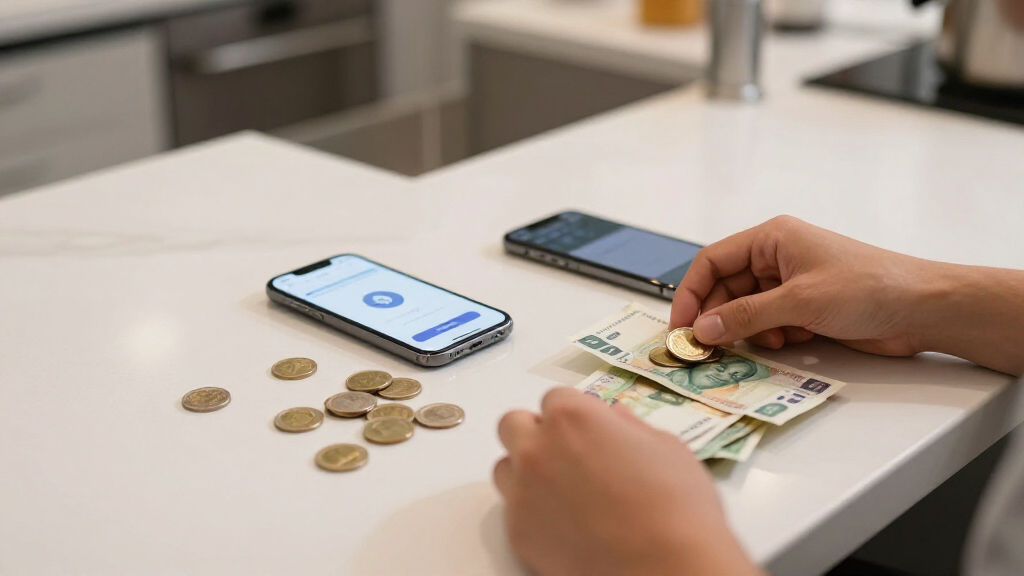
The Swiss National Bank (SNB) has confirmed that access to physical cash—banknotes and coins—will continue to be available in Switzerland throughout 2026, despite the country’s increasing adoption of digital payment methods. This reassurance comes amid ongoing debates about the future of cash in a rapidly digitalizing economy, highlighting the SNB’s commitment to financial inclusion and stability.
According to the SNB, there are no plans to phase out cash entirely in Switzerland. The central bank stated that banknotes and coins remain an integral part of the country’s payment ecosystem, especially for those who prefer or rely on cash for daily transactions.
Official figures show that cash transactions still account for a significant portion of retail payments, although their share has declined over recent years as digital payment platforms like mobile banking, contactless cards, and e-wallets have gained popularity.
The SNB emphasized that it is monitoring trends and remains committed to ensuring that cash remains accessible and secure for all segments of the population, including vulnerable groups and those in rural areas.
Why Continued Cash Access Matters in 2026
The confirmation that cash will remain accessible in Switzerland in 2026 is significant because it reassures those concerned about potential exclusion from digital-only economies. Maintaining physical cash supports financial inclusion, especially for elderly populations, small businesses, and tourists who may prefer or depend on cash transactions.
Furthermore, it underscores the importance of having a resilient payment infrastructure that can operate independently of digital systems during outages or cyberattacks. This decision reflects broader global debates about the future of cash and the risks associated with an entirely digital financial system.
As an affiliate, we earn on qualifying purchases.
Switzerland’s Cash Use and Digital Payment Trends
Switzerland has historically maintained a high level of cash usage compared to other European countries, with cash transactions accounting for roughly 50% of retail payments in recent years, according to the Swiss Federal Statistical Office. Despite this, digital payments have grown steadily, driven by innovations in mobile banking and contactless technologies.
Over the past decade, several countries have debated or implemented measures to reduce cash circulation, citing efficiency and security. However, Switzerland’s approach has been cautious, emphasizing the importance of preserving cash access as part of its financial stability strategy.
The SNB’s recent statement aligns with broader European discussions on cash’s future, particularly amid concerns over digital exclusion and cyber threats.
As an affiliate, we earn on qualifying purchases.
Unclear Future Trends for Cash in Switzerland
While the SNB has confirmed ongoing access to cash in 2026, it is still unclear how the use of cash will evolve beyond this year. The degree to which cash will remain prevalent in everyday transactions, especially among younger populations, is uncertain. Additionally, the potential impact of technological advances or regulatory changes remains to be seen.
It is also not yet clear how other countries’ policies might influence Switzerland’s approach or whether new digital payment innovations could further reduce cash dependence.
As an affiliate, we earn on qualifying purchases.
Next Steps in Switzerland’s Cash Policy Development
The SNB plans to continue monitoring payment trends and will publish annual reports on cash usage. Future policy decisions may involve measures to enhance cash security, improve access points, and support vulnerable groups.
Stakeholders, including financial institutions and consumer groups, are expected to engage in ongoing discussions about the role of cash in Switzerland’s evolving economy. Any legislative or regulatory changes related to cash access are likely to be announced in the coming years.
As an affiliate, we earn on qualifying purchases.
Key Questions
Will cash still be accepted for transactions in Switzerland in 2026?
Yes, the Swiss National Bank has confirmed that banknotes and coins will continue to be available and accepted for transactions throughout 2026.
Why does Switzerland want to keep cash accessible?
Maintaining cash access supports financial inclusion, provides resilience against cyber threats, and ensures that vulnerable groups and those in rural areas can continue to transact securely.
Could Switzerland phase out cash in the future?
While no plans are announced to phase out cash in 2026, the future use of cash will depend on technological developments, policy decisions, and societal preferences.
How does digital payment growth impact cash use in Switzerland?
Digital payments are increasingly popular, but cash remains significant, especially among certain demographics. The SNB emphasizes a balanced approach to ensure access for all.
What risks are associated with moving away from cash?
Risks include digital exclusion for vulnerable populations, potential cyberattacks, and disruptions in digital payment systems during outages or crises.
Source: primary
Halloween Picks
halloween
As an affiliate, we earn on qualifying purchases.