

Price adjustment policies matter more on high-ticket items because they considerably influence your customers’ trust and confidence. When you’re transparent and fair about adjustments, customers see your brand as honest and reliable, making them more likely to return. Clear policies can also help manage expectations and reduce disputes, strengthening loyalty. If you want to understand how to create effective policies that protect your reputation and boost sales, keep exploring these strategies.
Key Takeaways
- High-ticket items significantly impact customer trust, making transparent adjustment policies essential for maintaining confidence.
- Price changes on expensive items can influence brand perception and customer loyalty more strongly.
- Clear policies help manage customer expectations and reduce disputes over costly purchases.
- Fair adjustments demonstrate honesty, reinforcing trust and encouraging repeat high-value transactions.
- Market awareness and flexible policies enable better adaptation to fluctuations affecting high-ticket prices.
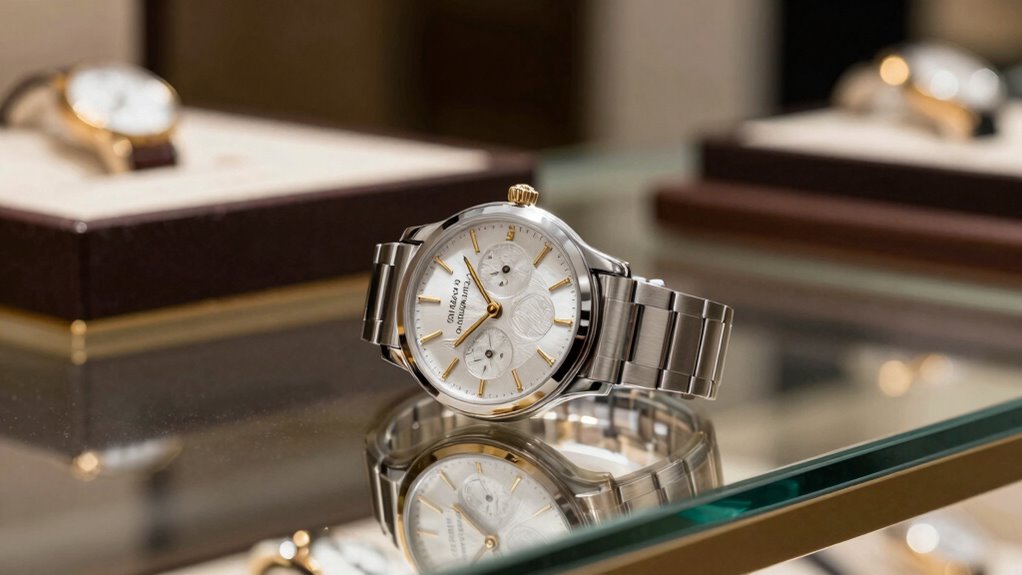
Have you ever purchased a high-ticket item only to find the price drops shortly afterward? If so, you’re not alone. This experience can leave you feeling frustrated and hesitant to make future big investments. For businesses, such situations highlight the importance of having clear and fair price adjustment policies. These policies play a critical role in maintaining customer trust, which is essential when dealing with high-value transactions. When customers know that your company offers transparent, reasonable adjustments if prices change, they’re more likely to feel confident in their purchases and return in the future.
Price adjustment policies for high-ticket items serve more than just customer reassurance; they also give your business a competitive advantage. In markets where consumers have plenty of options, offering a flexible adjustment policy can set you apart from competitors who might stick rigidly to fixed prices. Customers appreciate transparency and fairness, especially when spending significant amounts. By proactively communicating your policy, you foster goodwill and loyalty, encouraging repeat business and positive word-of-mouth. These policies can turn a potentially negative situation—such as a price drop—into an opportunity to strengthen your relationship with the customer. Additionally, understanding the importance of transparency in pricing and how it can influence customer perception can help you craft policies that are both fair and effective. Recognizing the cost fluctuations in the market can also help you develop more adaptable pricing strategies that benefit both your business and your customers.
Furthermore, having clear price adjustment policies demonstrates that your company values honesty and customer satisfaction. When shoppers see that you’re willing to honor price adjustments, they perceive your brand as trustworthy and customer-centric. This perception can influence their decision to choose your business over others, creating a sense of reliability that’s difficult to match with competitors. Customers are more likely to feel they’re getting a fair deal when they see your business prioritizes transparency and fairness, especially on high-ticket items where the stakes feel higher.
Implementing a well-defined policy also helps manage customer expectations and reduces disputes. When everyone understands the circumstances under which adjustments are made, it minimizes confusion and potential dissatisfaction. You can set clear guidelines about timeframes, conditions, and the types of products covered. This clarity not only streamlines your internal processes but also reassures customers that they’ll be treated fairly, which reinforces their trust in your brand. Additionally, understanding the value of content formats and digital concepts can help shape your policies to be more adaptable and aligned with customer expectations. Incorporating market trends and staying informed about market trends can further strengthen your policy framework and build long-term loyalty.
high ticket price adjustment policy template
As an affiliate, we earn on qualifying purchases.
As an affiliate, we earn on qualifying purchases.
Frequently Asked Questions
How Do Price Adjustments Impact Customer Trust on High-Ticket Purchases?
Price adjustments directly impact your customer perception on high-ticket purchases. When you offer fair, transparent policies, your customers see your brand as trustworthy and considerate, which boosts their confidence. This transparency fosters brand loyalty, as buyers feel valued and understood. Conversely, inconsistent or hidden adjustments can erode trust, making customers hesitant to invest in expensive items again. Clear policies guarantee your high-ticket clients stay loyal and satisfied.
Are There Legal Restrictions on Price Adjustments for Expensive Items?
You should know that legal restrictions do exist on price adjustments for expensive items. Approximately 30% of countries have laws to prevent unfair pricing practices like price fixing, ensuring transparency and fair competition. Legal compliance is vital, especially for high-ticket items, as deceptive adjustments could lead to hefty fines or legal action. Always verify local laws to avoid violations and maintain customer trust when adjusting prices.
How Often Should a Retailer Review High-Ticket Item Pricing Strategies?
You should review your high-ticket item pricing strategies at least quarterly, considering pricing psychology and market segmentation. Regular reviews help you stay aligned with market demand and customer perceptions, ensuring your prices reflect current trends and competitors’ rates. By analyzing sales data and customer feedback, you can adjust prices to optimize profits and maintain a competitive edge, especially for high-value items where small changes markedly impact purchasing decisions.
What Are the Best Communication Methods for Announcing Price Changes?
You should communicate price changes through clear, personalized messages like emails or direct calls, emphasizing pricing transparency to maintain trust. Use gentle language to explain reasons behind the adjustment, highlighting value and quality. Your goal is to positively influence customer perception by being honest and upfront, which reassures clients. This thoughtful approach guarantees they see the change as fair, strengthening your relationship despite the higher price point.
How Do Competitors Influence Price Adjustment Policies for Luxury Goods?
Competitors heavily influence your price adjustment policies for luxury goods by shaping market positioning and brand perception. When rivals lower prices, you might feel pressure to adjust your prices to maintain exclusivity or perceived value, ensuring your brand stays premium. Conversely, if competitors raise prices, you can reinforce your luxury status. Monitoring their strategies helps you stay aligned with market expectations, safeguarding your brand’s reputation and positioning in high-end markets.
luxury item price adjustment tools
As an affiliate, we earn on qualifying purchases.
As an affiliate, we earn on qualifying purchases.
Conclusion
Implementing effective price adjustment policies for high-ticket items isn’t just smart — it’s essential. Did you know that 70% of consumers are more likely to buy again if they feel they received a fair deal? By adjusting prices thoughtfully, you build trust and encourage loyalty. Remember, in the high-ticket market, your flexible pricing strategies can turn potential buyers into long-term customers, ultimately boosting your profits and reputation.
high-value purchase protection plan
As an affiliate, we earn on qualifying purchases.
As an affiliate, we earn on qualifying purchases.
premium product price matching software
As an affiliate, we earn on qualifying purchases.
As an affiliate, we earn on qualifying purchases.