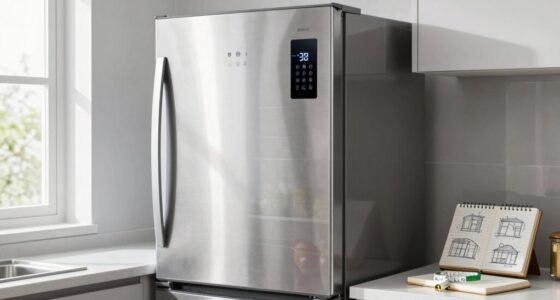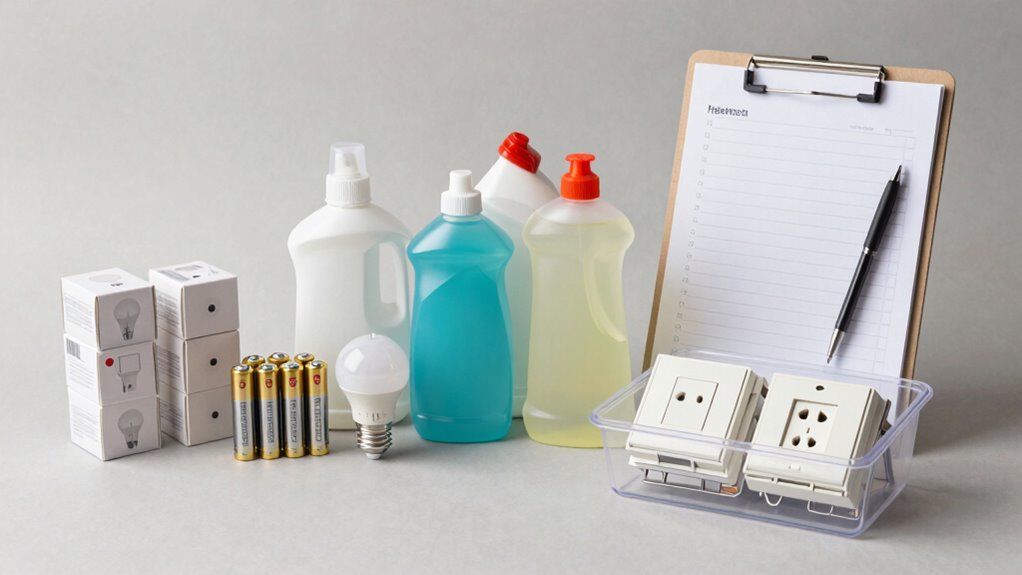

To create a replacement timeline for household essentials, start by listing your major items and noting their purchase dates and typical lifespans. Regularly assess their condition and plan replacements before they fail to avoid costly surprises. Set aside a dedicated fund and schedule regular reviews to track aging and maintenance needs. Keeping organized with labels or inventories makes it easier to stay on top of upcoming replacements—and if you want to learn how to make this process even smoother, continue exploring the details.

Get your next haul delivered free with Prime
- Fast, free delivery on millions of items
- Prime Video, Amazon Music and more included
- Member-only deals all year
Key Takeaways
- Assess the typical lifespan of each household item and record purchase dates for accurate tracking.
- Set reminders based on estimated replacement intervals to ensure timely upgrades.
- Organize an inventory list with maintenance history and upcoming replacement needs.
- Allocate a dedicated budget to cover future replacements, adjusting for item-specific lifespans.
- Regularly inspect appliances and household items to identify early signs of wear or failure.
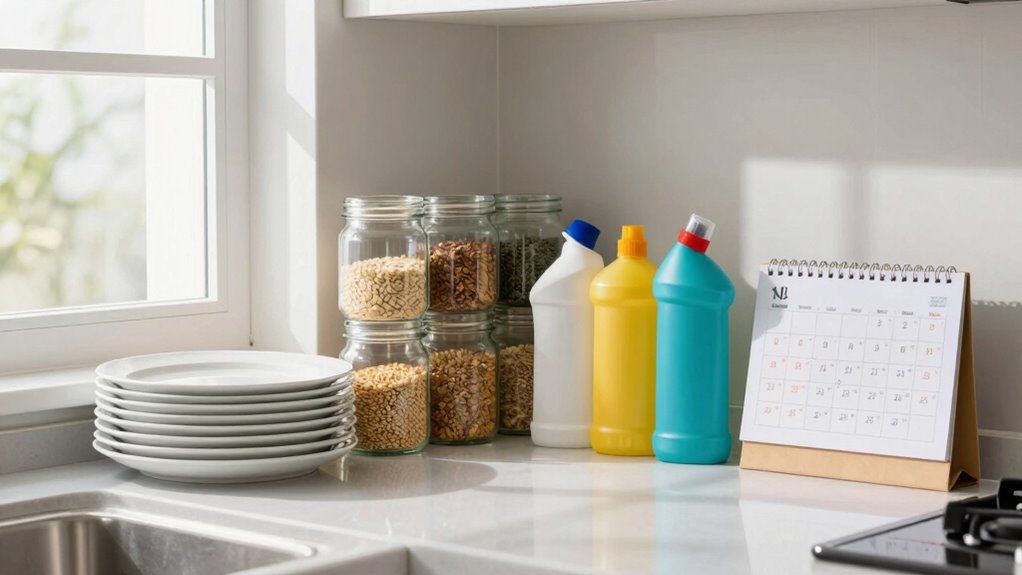
Knowing when to replace household essentials can save you money and guarantee your home stays safe and comfortable. Creating a replacement timeline isn’t just about reacting to worn-out items; it’s about planning ahead so you can maintain your home efficiently. To do this effectively, you need to evaluate factors like storage organization and budget planning. When you have a clear timeline, you avoid sudden expenses or the risk of using items that no longer serve their purpose, which could compromise safety or comfort.
Start by examining the typical lifespan of common household essentials, like appliances, bedding, and cleaning supplies. For example, refrigerators usually last 10-15 years, while mattresses might need replacing every 7-10 years. By understanding these general timelines, you can set realistic expectations and schedule replacements accordingly. Incorporate storage organization into this process by keeping track of the age and condition of your items. Use labels or a dedicated home inventory list to note purchase dates and maintenance history. This way, you can identify when an item is approaching its end-of-life, preventing last-minute replacements and helping you plan your budget more accurately. Additionally, product lifespan information can help you prioritize replacements based on safety and efficiency.
Budget planning plays a vital role in this process. When you know approximate replacement intervals, you can set aside a specific amount of money each month or year. Creating a dedicated fund for household essentials ensures that when replacement time comes, you’re financially prepared. This approach reduces stress and prevents you from dipping into your emergency fund or other savings. Remember, some items might need more frequent replacement due to wear and tear, so adjust your budget accordingly. Additionally, considering electric bikes or other modern appliances can help you plan for more sustainable and efficient replacements in the future. Regularly reviewing your inventory and storage organization helps you stay on top of your timeline. Check your appliances and household items periodically for signs of deterioration or inefficiency. If you notice your vacuum losing suction or your mattress sagging, plan for replacements sooner rather than later. Keeping your storage organized means you’ll easily spot these issues and prevent clutter from accumulating, which can make it harder to manage your replacements.
Furthermore, understanding product lifespans can assist you in making informed decisions about which household essentials to prioritize for replacement, ensuring longevity and safety. When you combine storage organization, budget planning, and a well-thought-out replacement schedule, you’ll keep your home running smoothly without unexpected costs or safety hazards. This proactive approach ensures your household essentials are always in good condition, saving you money and giving you peace of mind.
household appliance replacement schedule
As an affiliate, we earn on qualifying purchases.
As an affiliate, we earn on qualifying purchases.
Frequently Asked Questions
How Often Should I Review My Household Essentials Inventory?
You should review your household essentials inventory at least every three to six months. This allows you to assess your storage organization and identify items that need replacing. Regular reviews help you stay within your budget planning, preventing overspending on unnecessary replacements. Keep an eye on expiration dates and wear and tear, so you can restock proactively and maintain an efficient, well-organized household.
What Factors Influence the Replacement Schedule for Different Items?
Think of your household essentials as a garden needing care. Storage organization helps you spot wear and tear early, while budget planning guarantees you replace items before they become useless. Factors like item quality, usage frequency, and shelf life influence the schedule. By tending to these “plants,” you keep your home thriving, making replacements timely and budget-friendly, avoiding emergencies and maintaining a well-organized, efficient space.
How Can I Track Expiration Dates Effectively?
You can track expiration dates effectively by paying close attention to product labeling, which clearly states expiry information. Keep items in ideal storage conditions—cool, dry, and away from sunlight—to slow down spoilage. Regularly check labels and set reminders on your phone or calendar for when items are nearing their expiration. Organizing your essentials by type and date helps you quickly identify what needs to be replaced, reducing waste and ensuring safety.
Should I Create a Separate Timeline for Emergency Supplies?
Creating a separate timeline for your emergency kit is like planting a safety net, ensuring it’s always ready when needed. You should definitely do it for stockpile planning, as emergency supplies need regular updates independent of household essentials. By tracking expiration dates and replacement schedules separately, you reduce the risk of forgetting critical items. This way, your emergency kit remains reliable, giving you peace of mind during unexpected situations.
How Do Seasonal Changes Affect Replacement Timing?
Seasonal changes profoundly affect your replacement timing because seasonal durability varies with climate impact. For example, summer items like sunscreen and cooling fans may need replacement every year due to sun exposure, while winter gear like heaters and insulated clothing might last longer but require regular checks. Adjust your timeline accordingly, considering how weather conditions accelerate wear and tear, ensuring you’re prepared with fresh essentials before seasonal needs peak.
bed mattress lifespan and replacement
As an affiliate, we earn on qualifying purchases.
As an affiliate, we earn on qualifying purchases.
Conclusion
By keeping a replacement timeline, you’re like a seasoned gardener tending to your home’s essentials—knowing exactly when to prune or plant anew guarantees everything thrives. I once ignored my smoke detector’s warning signs, only to face a costly repair later. Don’t wait for those “uh-oh” moments. With a simple schedule, you’ll stay ahead of surprises, turning household management into a smooth, effortless dance—because proactive care keeps your home running beautifully, just like a well-tended garden.
home inventory labels and organization
As an affiliate, we earn on qualifying purchases.
As an affiliate, we earn on qualifying purchases.
budgeting for household replacements
As an affiliate, we earn on qualifying purchases.
As an affiliate, we earn on qualifying purchases.
Columbus Day / Indigenous Peoples' Day Picks
long weekend sales
As an affiliate, we earn on qualifying purchases.