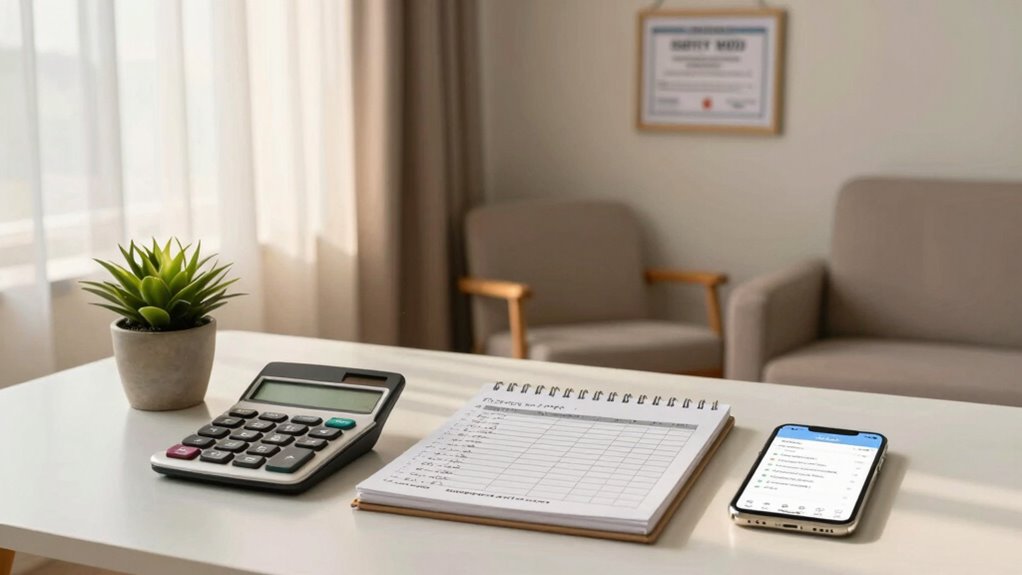

You can budget for a safer home by focusing on affordable, effective safety upgrades like installing basic security cameras, securing locks, and adding motion-activated lighting in key areas. Regularly check and maintain fire extinguishers and smoke detectors, and organize your space to prevent accidents. Use community resources and online guides to find low-cost safety options. Keep safety simple and prioritized to stay within your budget, and discover more ways to boost your home security along the way.

Get your next haul delivered free with Prime
- Fast, free delivery on millions of items
- Prime Video, Amazon Music and more included
- Member-only deals all year
Key Takeaways
- Prioritize essential safety upgrades like locks, smoke detectors, and fire extinguishers to maximize impact within your budget.
- Utilize affordable, DIY security solutions such as budget-friendly cameras and outdoor lighting.
- Leverage community resources and free safety programs for additional support and cost savings.
- Regularly assess and update safety measures to focus on high-risk areas first.
- Create a safety plan and emergency kit using inexpensive, readily available supplies.
Creating a safer home doesn’t mean you have to spend a fortune. You can make practical improvements without draining your budget by prioritizing essential safety measures. Start by evaluating your current home safety and identifying areas that need the most attention. For many, installing security cameras is a cost-effective way to boost security without breaking the bank. Modern security cameras are affordable, easy to install, and offer peace of mind by letting you monitor your property remotely. You don’t need the most expensive system; even basic models provide live feeds and recording options that can deter intruders and help you keep an eye on your home.
Affordable security cameras help you monitor your home remotely and deter intruders effectively.
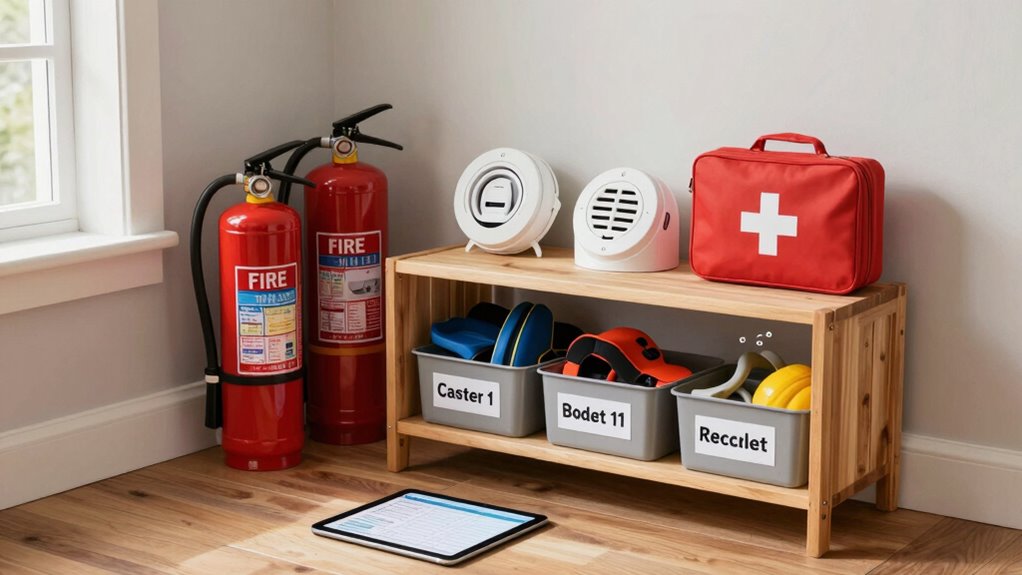
Next, focus on fire safety. Fire extinguishers are a small investment that can make a big difference in emergencies. Keep a fire extinguisher in key areas like the kitchen, garage, and near your furnace or heater. Regularly check that they’re fully charged and in good condition. You don’t need to buy a high-end model; many budget-friendly options meet safety standards and can effectively put out small fires before they escalate. Pair your fire extinguishers with smoke detectors, which are relatively inexpensive and vital for early fire detection. Testing these detectors monthly ensures they work when needed.
Beyond these basics, consider simple, affordable steps such as securing windows and doors with sturdy locks, adding motion-activated lights outside, and organizing clutter to prevent accidents. These small modifications don’t cost much but greatly enhance safety. For example, motion-activated lights reduce the risk of falls and deter intruders, while securing entry points makes unauthorized access more difficult. You can often find these items at budget stores or online, and installation is straightforward enough to do yourself. Additionally, understanding the importance of proper lock types can further improve your home’s security.
Creating a safer home also involves educating everyone in your household about safety procedures. Conduct regular fire drills and establish a family plan for emergencies. This proactive approach costs nothing but can save lives. Furthermore, having a basic understanding of home safety protocols can help you respond effectively in various situations. Additionally, keep emergency numbers easily accessible and consider creating a safety kit with essentials like first aid supplies, bottled water, and non-perishable snacks. These preparations are inexpensive but add an extra layer of security. Having a home safety plan in place ensures everyone knows how to act during emergencies and can make a significant difference. Incorporating family communication strategies can help ensure everyone knows what to do in case of an emergency.
Another helpful step is staying informed about local safety resources available in your community, which can provide additional support and guidance in emergencies.
budget security cameras for home
As an affiliate, we earn on qualifying purchases.
As an affiliate, we earn on qualifying purchases.
Frequently Asked Questions
What Are the Most Cost-Effective Home Safety Upgrades?
You can start with budget-friendly safety upgrades like childproofing measures—install outlet covers, corner protectors, and cabinet latches. For fire prevention, ensure smoke alarms are working and clear escape routes. These cost-effective steps don’t require a big investment but greatly enhance your home’s safety. Look for deals or DIY options to save money, and regularly review safety features to keep your home secure without overspending.
How Can I Prioritize Safety Improvements on a Tight Budget?
Your safety priorities are a mountain you can conquer! Start with childproofing strategies like securing furniture and outlets, then focus on emergency preparedness essentials such as fire extinguishers and first aid kits. Allocate your budget to these high-impact areas first, and look for DIY options to save costs. By prioritizing these key safety measures, you’ll create a safer home without breaking the bank.
Are DIY Safety Solutions as Effective as Professional Installations?
DIY safety solutions can be effective, but you should be aware of DIY pitfalls like improper installation or missed safety standards. While DIY projects save money, professional advantages include expert guidance, proper installation, and compliance with safety codes. If you’re confident and follow instructions carefully, DIY can work. However, for critical safety features like electrical or structural improvements, hiring professionals guarantees your home stays safer and meets all regulations.
How Often Should Safety Devices Be Inspected or Replaced?
Safety standards should be scrutinized regularly, ideally every six months, to guarantee childproofing measures and fire escape plans stay swift and secure. Check smoke detectors monthly and replace batteries annually. Test alarm systems quarterly and replace outdated devices every 8-10 years. For fire escape planning, review routes annually and practice drills. Consistent inspections and timely replacements keep your home safe, secure, and strong against any surprises.
Can Home Insurance Discounts Offset Safety Upgrade Costs?
Yes, home insurance discounts can offset safety upgrade costs. Many insurance companies offer savings for installing safety devices, but beware of home safety myths that suggest all upgrades are equally valued. To maximize savings, follow insurance claim tips by documenting upgrades and maintaining safety records. This proactive approach not only reduces your premium but also enhances your home’s safety, making these investments more affordable and worthwhile.
As an affiliate, we earn on qualifying purchases.
Conclusion
Remember, creating a safer home doesn’t mean breaking the bank. By prioritizing essential upgrades and shopping smart, you can protect your loved ones without overspending. Some might worry safety measures are too costly, but small, consistent improvements add up over time. Stay proactive, set a realistic budget, and focus on what truly matters. Your effort today guarantees a safer, more secure home tomorrow—without sacrificing your financial peace of mind.
As an affiliate, we earn on qualifying purchases.
As an affiliate, we earn on qualifying purchases.
Halloween Picks
halloween
As an affiliate, we earn on qualifying purchases.