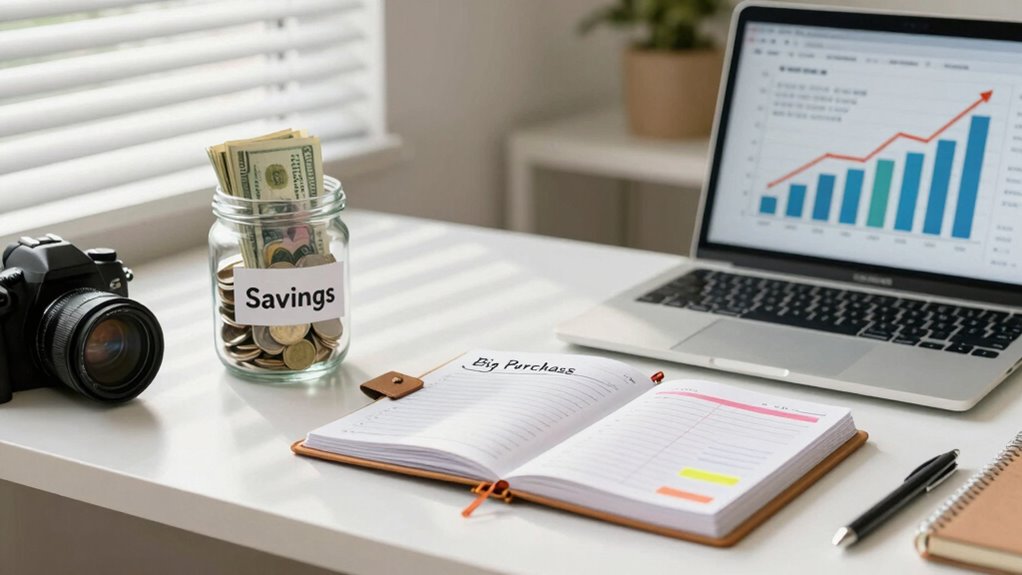

To build a big-purchase sinking fund without feeling broke, start by setting a clear savings goal and timeline. Automate your contributions to make saving easier and less stressful. Track your expenses to identify areas where you can cut back without sacrificing too much. Consider using high-yield savings or low-risk investments to grow your fund safely. Keep a flexible attitude for unexpected changes and small wins. Continue exploring these strategies to make your savings journey smoother and more manageable.

Get your next haul delivered free with Prime
- Fast, free delivery on millions of items
- Prime Video, Amazon Music and more included
- Member-only deals all year
Key Takeaways
- Automate small, consistent contributions to avoid feeling the pinch all at once.
- Break down the goal into manageable steps to make progress feel achievable.
- Reallocate windfalls and bonuses directly into your sinking fund to boost savings.
- Track expenses carefully to identify and cut unnecessary costs, freeing up extra savings.
- Maintain a flexible plan, adjusting contributions and timelines as needed to stay comfortable.
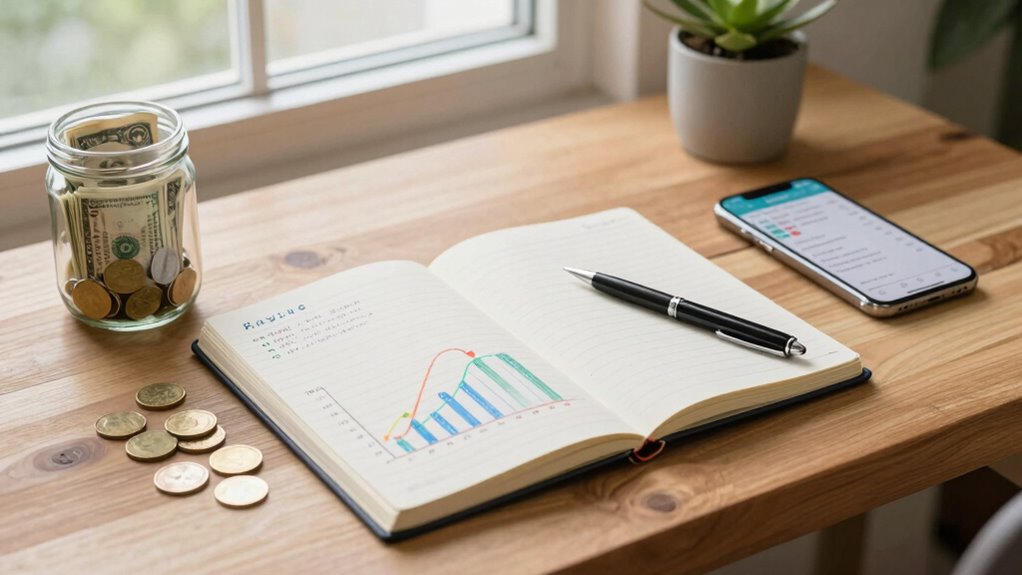
Have you ever wondered how to save efficiently for a major expense without feeling overwhelmed? Building a big-purchase sinking fund might seem intimidating at first, but with the right approach, it’s entirely manageable. The key is to develop sound investment strategies and effective budgeting techniques that keep your savings on track without leaving you feeling broke or deprived. Instead of trying to save all at once, break the goal into manageable steps, which makes the process less stressful and more sustainable.
Start by clearly defining your target amount and timeline. Knowing exactly how much you need and when you want to reach that goal helps you create a realistic savings plan. From there, craft a dedicated sinking fund account—separating this money from your regular spending funds prevents accidental spending and keeps your eyes on the prize. Automate your contributions whenever possible; setting up automatic transfers from your checking account to your sinking fund ensures consistency without requiring daily effort. This automation is a simple yet powerful budgeting technique that minimizes the temptation to skip deposits.
Create a dedicated sinking fund, automate transfers, and stay consistent to reach your savings goal with ease.
Next, consider investment strategies that can grow your savings over time. While a high-yield savings account is a safe option, exploring low-risk investments like certificates of deposit or conservative bonds can provide better interest rates, helping your fund grow more efficiently. If your timeline is longer, you might even look into diversified investment accounts, but always weigh the risks and ensure they align with your comfort level. The goal is to balance growth with security, so your savings aren’t exposed to unnecessary volatility. Understanding investment options can help you choose the best approach for your specific timeline and risk tolerance. Additionally, awareness of contrast ratio and its effect on visual clarity can be useful if you’re planning for a large purchase like home theater equipment. Incorporating personal finance planning concepts can further enhance your ability to stay disciplined and organized throughout the process.
As you build your sinking fund, regularly review your progress and adjust your contributions if needed. If you receive a bonus or extra income, consider funneling a portion into your fund to accelerate your savings. This practice ensures you’re making the most out of windfalls and aligns with the importance of contingency planning in financial management. Conversely, if your financial situation changes unexpectedly, don’t be afraid to modify your timeline or contribution amounts—flexibility keeps your plan realistic and sustainable. Keep your focus on your end goal, and don’t get discouraged if progress feels slow at times. Small, consistent steps add up over weeks and months.
Finally, practice disciplined spending habits. Use budgeting techniques like tracking expenses and cutting unnecessary costs to free up extra cash for your sinking fund. Prioritize your big purchase and see it as a worthwhile investment rather than a burden. With patience, planning, and the right strategy, you’ll find that building a big-purchase sinking fund doesn’t have to leave you feeling broke. Instead, it becomes a structured, manageable process that steadily brings your goal within reach, all while maintaining your financial stability.
As an affiliate, we earn on qualifying purchases.
Frequently Asked Questions
How Long Does It Typically Take to Save for a Big Purchase?
It usually takes several months to a few years to save for a big purchase, depending on your savings rate and goal amount. You should combine smart investment strategies to grow your fund faster and prioritize emergency preparedness to avoid setbacks. Consistently contribute to your sinking fund, adjust your timeline as needed, and stay disciplined. This approach guarantees you’re financially ready without feeling broke or overwhelmed.
Should I Prioritize Sinking Funds Over Debt Repayment?
Think of your finances as a garden—prioritizing sinking funds is like planting seeds for future blooms. While tackling debt feels urgent, skipping savings risks opportunity cost, like missing out on growth. You should balance your financial priorities, allocating funds to both, but if debt carries high interest, address that first. Ultimately, nurturing both will lead to a more vibrant, resilient financial landscape.
Can I Use Irregular Income to Fund My Sinking Fund?
Yes, you can use irregular income to fund your sinking fund. Flexibility is key, so adapt your savings strategies by setting aside a percentage of your good months’ earnings. During higher-income periods, contribute more, and during leaner months, save what you can. This approach helps you build your sinking fund steadily without feeling overwhelmed, making your savings plan sustainable and aligned with your fluctuating income.
How Do I Stay Motivated During a Long Savings Process?
To stay motivated during a long savings process, focus on clear motivation strategies like visualizing your goal and tracking your progress. Celebrate small wins to boost your mental resilience. Remind yourself why you started and keep your eyes on the prize. Connecting with others who share similar goals can also inspire you. By maintaining a positive mindset and staying disciplined, you’ll find it easier to keep going until you reach your big purchase.
What’s the Best Way to Track My Sinking Fund Progress?
To track your sinking fund progress effectively, use dedicated investment strategies like spreadsheets or apps that update automatically. Regularly review your savings, and set milestones to celebrate small wins. This keeps you motivated and prepared for emergencies, ensuring your fund grows steadily. Incorporate visual tools like charts to see your progress at a glance. Staying organized helps you avoid feeling overwhelmed and keeps your focus on reaching your big purchase goal.
As an affiliate, we earn on qualifying purchases.
Conclusion
Building a big-purchase sinking fund isn’t just about saving money; it’s about shaping discipline, fostering patience, and embracing planning. It’s about trusting your ability to prepare, believing in your future, and understanding that progress takes time. When you commit to this process, you’re not just accumulating funds—you’re building confidence, creating security, and cultivating a mindset that values intentionality. Keep this balance, and your big purchase won’t just be a goal—it’ll become a reality you’re proud of.
certificate of deposit for savings
As an affiliate, we earn on qualifying purchases.
As an affiliate, we earn on qualifying purchases.
As an affiliate, we earn on qualifying purchases.
Fall Picks
fall essentials
As an affiliate, we earn on qualifying purchases.