To plan for energy costs on new home equipment, start by considering both initial and long-term expenses, including maintenance. Focus on choosing energy-efficient appliances with high Energy Star ratings, and explore renewable options like solar panels to reduce reliance on traditional energy sources. Proper insulation and small upgrades, such as LED bulbs, can boost efficiency and save money over time. Staying informed about technological advancements helps you make smarter choices for sustainable, cost-effective energy use—discover more strategies ahead.
Listen free for 30 days with Audible
Thousands of audiobooks and originals — cancel anytime.
As an affiliate, we earn on qualifying purchases.
Key Takeaways
- Assess your energy needs and consider renewable options like solar or wind to reduce long-term costs.
- Choose energy-efficient appliances with high Energy Star ratings to lower ongoing energy expenses.
- Incorporate practical upgrades such as LED lighting and proper insulation to enhance overall efficiency.
- Plan for regular maintenance and future technological improvements to sustain savings over time.
- Budget for upfront costs while considering potential savings and environmental benefits of sustainable equipment.
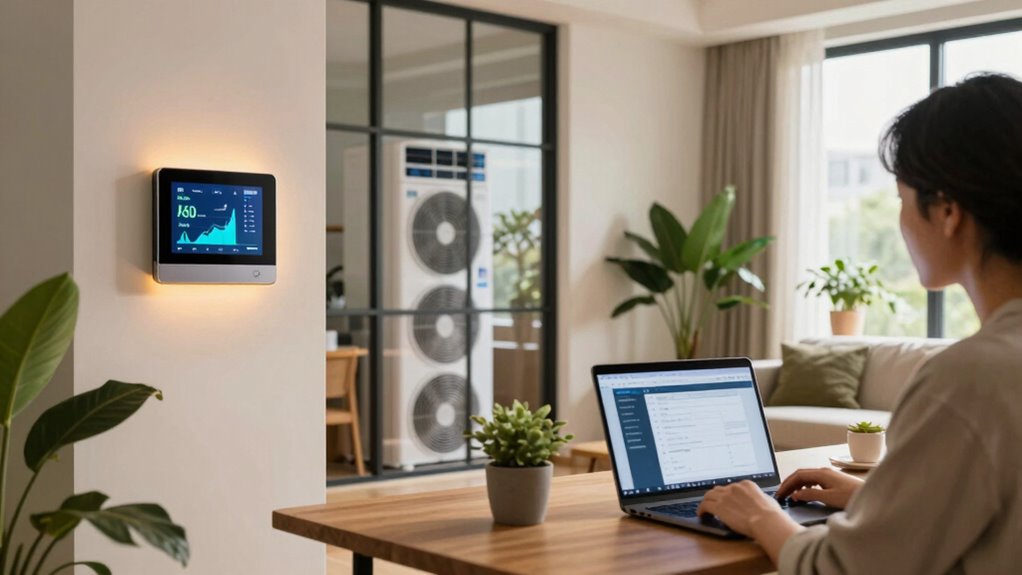
When installing new home equipment, planning for energy costs is essential to avoid surprises down the line. You want to ensure that your investment doesn’t lead to unexpectedly high bills, so it’s smart to think ahead about the energy sources powering your home. Incorporating renewable sources, like solar panels or wind turbines, can significantly reduce your reliance on traditional electricity, lowering your long-term costs. While the upfront expense might seem high, the savings on your energy bills over time can make it a worthwhile investment. Additionally, pairing renewable sources with energy-efficient appliances is a practical way to maximize savings. These appliances consume less power for the same performance, reducing your overall energy demand and costs.
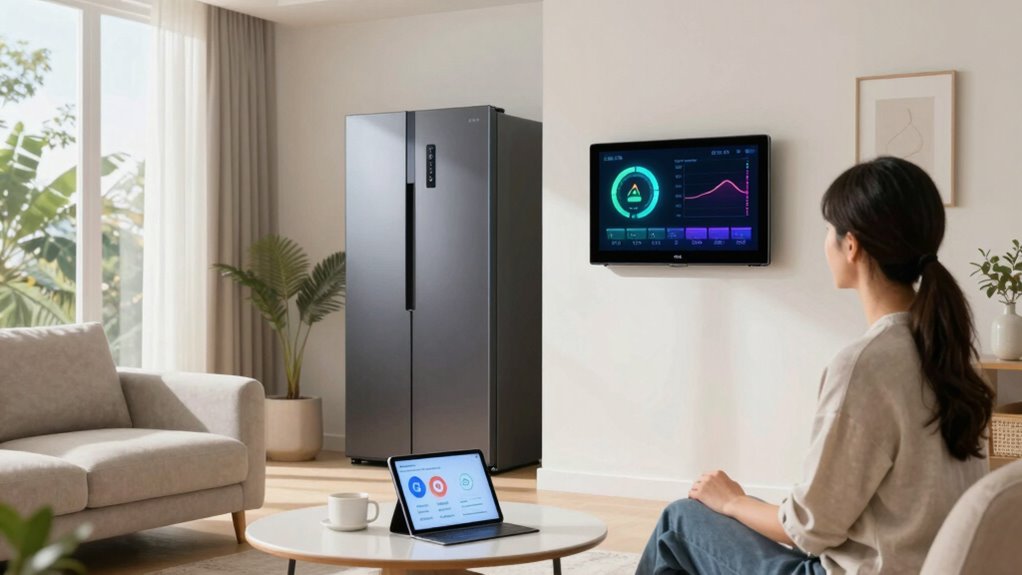
As you select new equipment, take the time to review energy ratings and efficiency labels. Look for products with high Energy Star ratings, which indicate they meet strict energy efficiency standards. Energy-efficient appliances aren’t just better for the environment—they also save you money. For example, a high-efficiency HVAC system can cut your heating and cooling costs dramatically, especially when combined with proper insulation and sealing in your home. Choosing appliances designed to consume less energy means you’ll spend less month-to-month, even if the initial purchase price is slightly higher. Think about the long-term savings rather than just the upfront cost.
It’s also important to consider how your overall energy plan aligns with your lifestyle. For instance, if you’re installing a new water heater, explore options like tankless models that heat water on demand, reducing standby energy losses. Similarly, when upgrading your lighting, switch to LED bulbs, which use a fraction of the energy of traditional bulbs and last much longer. These small changes add up over time, making your home more energy-efficient and less costly to operate. Incorporating renewable energy sources into your plan can further enhance your energy savings and sustainability. Understanding the contrast ratio of your appliances and systems can also help you select options that provide clearer, more vibrant images and efficient performance. Staying informed about the latest technology advancements can help you make smarter choices for future upgrades. Additionally, considering the cost-effectiveness of different technologies ensures your investments provide optimal savings over their lifespan.
Finally, don’t forget to account for potential future costs, including maintenance and upgrades. Regular maintenance of your renewable energy systems and appliances ensures they operate at peak efficiency, preventing unexpected expenses. Planning for energy costs isn’t just about the immediate installation but about creating a sustainable, cost-effective energy system that adapts as technology advances. By thoughtfully choosing renewable sources and energy-efficient appliances, you can enjoy lower bills and a more eco-friendly home, giving you peace of mind now and savings for years to come.
Energy Star rated energy-efficient appliances
As an affiliate, we earn on qualifying purchases.
As an affiliate, we earn on qualifying purchases.
Frequently Asked Questions
How Accurate Are Energy Cost Estimates for New Equipment?
Energy cost estimates for new equipment can be fairly accurate if you consider proper cost estimation methods, but accuracy concerns remain due to variables like usage habits, climate, and equipment efficiency. You should review manufacturer specifications and consult energy modeling tools for better predictions. Keep in mind that actual costs may vary, so it’s wise to budget a little extra for unforeseen fluctuations, ensuring your plan remains realistic.
What Factors Influence the Long-Term Energy Savings of New Appliances?
Think of your appliances as seeds; their long-term energy savings depend on how well you nurture them. Your appliance lifespan and usage patterns play vital roles—efficient, durable appliances with proper maintenance last longer and consume less energy. If you use your appliances wisely, avoiding overuse or wasteful habits, you’ll maximize savings. Regular upkeep and choosing energy-efficient models guarantee your investment pays off over time, transforming your home into a sustainable haven.
Are There Government Incentives for Energy-Efficient Home Equipment?
Yes, you can benefit from government incentives for energy-efficient home equipment. Many programs offer renewable incentives and tax credits that make upgrading more affordable. You should check with your state or local government, as well as federal programs, to find available rebates or credits. Taking advantage of these incentives can considerably lower your upfront costs and boost your long-term savings, making energy-efficient upgrades a smart investment.
How Often Should I Review My Energy Costs After Installation?
You should review your energy costs monthly after installation to stay on top of your expenses. Regular cost tracking helps identify patterns, so you can adjust your usage or budget planning accordingly. Keep an eye on utility bills and monitor any changes in energy consumption. This proactive approach guarantees you catch issues early, optimize your energy efficiency, and manage your overall costs effectively over time.
What Maintenance Impacts the Energy Efficiency of New Systems?
Think of your new system as a thriving garden. Regular maintenance, like pruning, keeps it efficient and extends its equipment lifespan. By scheduling routine inspections and filter replacements, you prevent energy waste and breakdowns. Proper maintenance impacts your system’s performance, ensuring it runs smoothly and conserves energy. Staying proactive with maintenance scheduling helps you enjoy consistent comfort while minimizing unexpected costs and maximizing your investment’s longevity.
As an affiliate, we earn on qualifying purchases.
Conclusion
By planning ahead, researching options, and budgeting wisely, you set yourself up for success. You’ll understand your energy needs, choose efficient equipment, and save money in the long run. You’ll compare costs, consider future savings, and make informed decisions. You’ll prioritize sustainability, balance comfort, and control expenses. Ultimately, you’ll create a home that’s both energy-smart and budget-friendly, giving you peace of mind and a brighter, more efficient future.
As an affiliate, we earn on qualifying purchases.
As an affiliate, we earn on qualifying purchases.
Flea & tick season Picks
flea and tick prevention
As an affiliate, we earn on qualifying purchases.