

To compare lifetime costs instead of just the sticker price, start by gathering data on ongoing expenses like maintenance, energy, and repairs. Estimate how long each product will last and multiply annual costs by that lifespan. Consider savings from energy efficiency and the durability of each option. By analyzing these long-term factors, you’ll see which choice truly saves you money over time. If you want to learn more, there’s plenty of detailed advice to help you make smarter decisions.

Get your next haul delivered free with Prime
- Fast, free delivery on millions of items
- Prime Video, Amazon Music and more included
- Member-only deals all year
Key Takeaways
- Gather data on maintenance, energy, and other ongoing expenses over the product’s expected lifespan.
- Estimate total costs by multiplying annual expenses by the product’s projected lifespan.
- Consider energy efficiency ratings to identify potential savings over time.
- Research product durability, warranty coverage, and reliability to avoid unexpected costs.
- Compare long-term costs rather than initial prices to determine overall value and affordability.
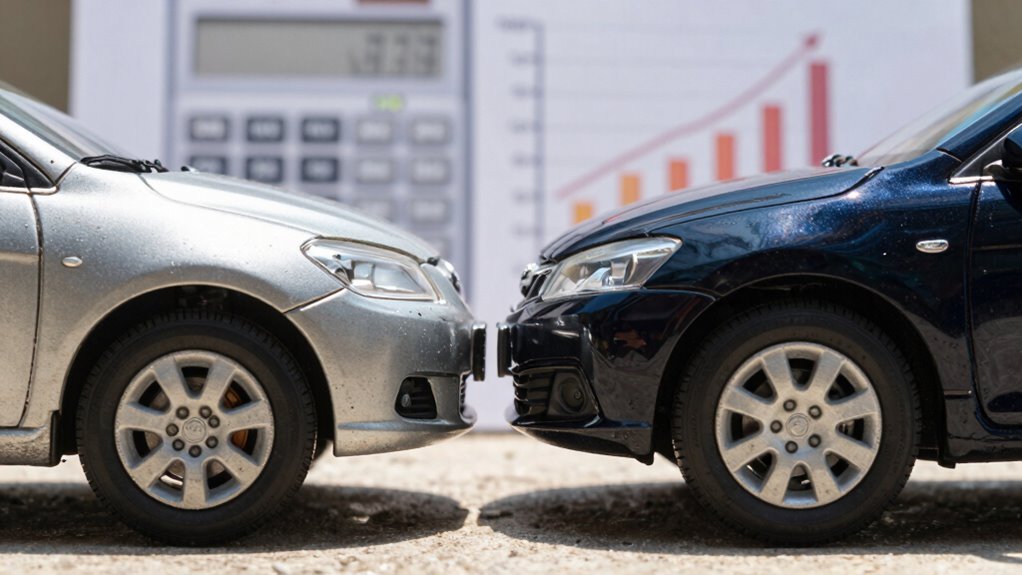
Are you wondering how to accurately compare the lifetime costs of different products or investments? It’s easy to get caught up in the sticker price, but that number only tells part of the story. To make truly informed decisions, you need to look beyond the initial cost and consider the ongoing expenses that add up over time. Two essential factors to evaluate are maintenance costs and energy efficiency, which can greatly influence the total amount you’ll spend in the long run. Incorporating balance and motivation into your decision-making can help you stay committed to choosing the most cost-effective options over time. Maintenance costs encompass everything needed to keep a product functioning properly. For appliances, this might mean regular repairs or replacements of parts; for vehicles, it includes oil changes, tire replacements, and servicing; and for homes, it involves upkeep like plumbing, roofing, or HVAC systems. When comparing options, don’t just look at the price tag—research how much maintenance is typically required and how often. A cheaper product upfront might end up costing more over its lifespan if it demands frequent repairs or replacements. Conversely, investing a bit more initially in a product with lower maintenance costs can save you money and hassle down the line. Additionally, considering long-term affordability can help highlight products that are more economical over time. Energy efficiency plays a similarly important role. A product that consumes less energy might cost more upfront but can lead to considerable savings on utility bills over time. Think about appliances like refrigerators or washers—models with higher energy efficiency ratings often use less power, which translates into lower monthly expenses. The same idea applies to heating and cooling systems, vehicles, and even homes. When comparing options, look for energy efficiency ratings and certifications, like ENERGY STAR, to gauge how much you’ll save in ongoing energy costs. Over years, these savings can vastly outweigh the initial price difference, making it a smarter, more economical choice. To accurately compare lifetime costs, gather data on both maintenance costs and energy efficiency for each product. Create a simple projection by estimating your expected lifespan and multiplying annual maintenance and energy expenses. This approach helps you see beyond the sticker price and understand the true financial impact of each choice. Remember, the goal isn’t just to find the cheapest option now but to identify the one that offers the best value over its entire lifespan. Considering electric bikes and dirt bikes can be especially advantageous, as their energy efficiency and low maintenance requirements often lead to significant savings over time. Additionally, understanding technology differences such as the impact of DLP versus LCD projectors on color fidelity can help you choose more reliable and cost-effective options. Conducting thorough research on product durability and warranty coverage can further prevent unexpected expenses and ensure your investment remains protected in the long run. By taking into account these long-term factors, you’ll be better equipped to make decisions that save you money and provide reliable performance for years to come.
As an affiliate, we earn on qualifying purchases.
Frequently Asked Questions
How Do I Estimate Future Maintenance Costs Accurately?
To estimate future maintenance costs accurately, start by reviewing the vehicle’s scheduled inspections and maintenance intervals outlined in the owner’s manual. Consider warranty coverage that might reduce costs during initial years. Keep track of past maintenance expenses to identify trends, and factor in potential repairs or replacements based on the vehicle’s age and condition. This approach helps you develop a realistic budget, avoiding surprises down the road.
What Factors Influence Long-Term Depreciation?
Long-term depreciation is influenced by factors like fuel efficiency and insurance premiums. If your vehicle has high fuel efficiency, you’ll save money over time, reducing overall depreciation impact. Additionally, lower insurance premiums mean fewer ongoing costs, helping maintain the vehicle’s value longer. Other factors include vehicle age, brand reputation, and market demand. By considering these, you can better estimate how much your car will depreciate over its lifetime.
How Can Financing Options Affect Lifetime Costs?
They say, “a penny saved is a penny earned,” but financing options can profoundly impact your lifetime costs. Your interest rates and loan terms influence how much you pay over time. Longer loan terms might lower monthly payments but increase total interest paid, raising overall costs. Carefully compare these options, as choosing favorable interest rates and suitable loan durations can save you money in the long run.
Are There Tools to Help Compare Total Ownership Costs?
Yes, you can use online tools like total cost of ownership calculators to compare costs. These tools consider factors like insurance premiums and fuel efficiency, helping you see beyond sticker price. By inputting different vehicle options, you’ll get a clearer picture of long-term expenses. This way, you make smarter choices based on potential maintenance, depreciation, and operational costs, not just initial purchase price.
How Does Resale Value Impact Overall Expenses?
Resale value greatly impacts your overall expenses because resale depreciation reduces the vehicle’s worth over time, affecting how much you recover when selling. A higher resale market valuation means you’ll lose less money due to depreciation, lowering your total ownership costs. When comparing vehicles, consider models with strong resale depreciation rates, as they can save you money long-term by maintaining better market value and reducing your future financial risks.
As an affiliate, we earn on qualifying purchases.
Conclusion
When you look beyond the shiny surface and consider the gentle, ongoing journey of ownership, you’ll find that the true value lies in the lifetime cost. Think of it as choosing a steady stream over a fleeting splash—investing in something that sustains and supports your needs over time. By focusing on this quieter, more enduring path, you make your choices blossom into lasting comfort and confidence, guiding you smoothly through each chapter ahead.
As an affiliate, we earn on qualifying purchases.
As an affiliate, we earn on qualifying purchases.
Halloween Picks
halloween
As an affiliate, we earn on qualifying purchases.