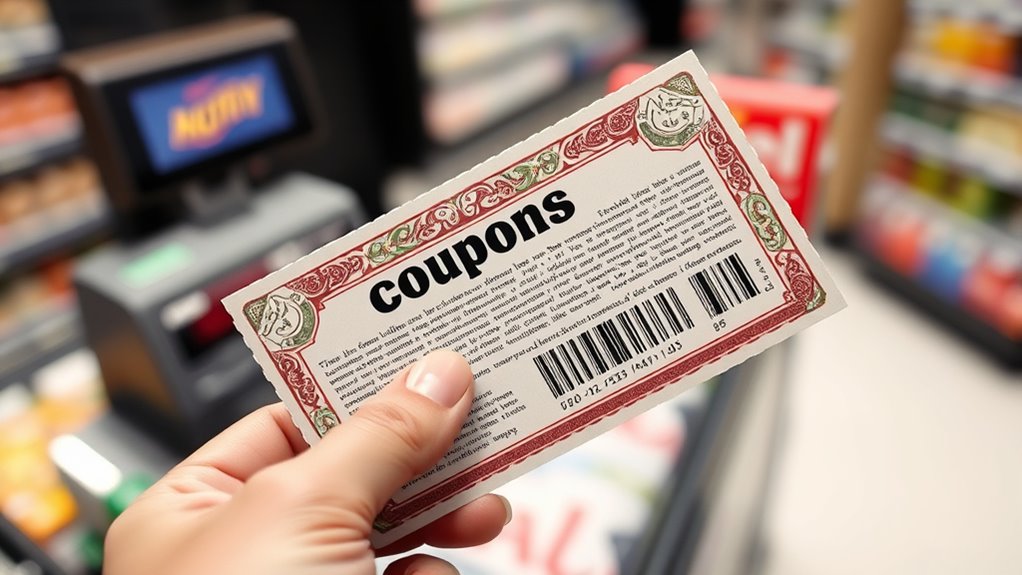

To spot fake coupons, look for signs like poor design, missing branding, or inconsistent details such as incorrect expiration dates or terms. Be wary of offers that seem too good to be true or ask for unnecessary personal info. Check if the code, barcode, or QR code scans correctly with official apps or store systems. Always verify offers through trusted sources. Stay alert—there’s more to uncover on how to protect yourself from coupon fraud.
Play games included with Prime
Start a Prime free trial and play with Amazon Luna on your devices.
As an affiliate, we earn on qualifying purchases.
Key Takeaways
- Verify offers through official retailer websites or trusted coupon platforms.
- Look for minor flaws like mismatched expiration dates or inconsistent branding.
- Scrutinize barcode or QR code authenticity with verification tools.
- Be cautious of deals that seem too good to be true or request excessive personal info.
- Avoid clicking on links from unknown sources; suspect suspicious emails or websites.

Coupon fraud involves dishonest tactics to exploit discounts and save money illegally. As a shopper or retailer, you need to be aware of the ways fraudsters create fake coupons to trick the system. With the rise of digital scams, counterfeit coupons have become more sophisticated, making it harder to distinguish between legitimate offers and fakes. Understanding how to spot fake coupons is essential to protect yourself from falling victim to these scams and to maintain retail security.
Digital scams are a common avenue for counterfeit coupons, especially since fraudsters often distribute fake codes through email, social media, or dubious coupon websites. These fake coupons might look authentic at first glance but contain subtle errors, such as misspellings, unusual fonts, or mismatched branding. Fraudsters also use phishing tactics to lure consumers into revealing personal information under the guise of redeeming special offers. When you encounter a suspicious deal online, it’s important to verify its legitimacy directly through official retailer websites or trusted coupon platforms. Never click on links from unknown sources, as they could lead to phishing sites designed to steal your data.
Be cautious of fake coupons from email, social media, or shady websites; always verify through official sources.
Retail security plays an essential role in preventing coupon fraud. Many retailers have advanced systems that automatically detect suspicious activity, such as multiple redemptions of the same coupon or use of invalid codes. When you try to use a coupon, always check that it’s from a reputable source and that it hasn’t been altered or duplicated illegally. Some fake coupons contain barcodes or QR codes that are manipulated to appear valid but are actually counterfeit. Retailers employ software that scans these codes to verify authenticity, but as a customer, your vigilance can help prevent fraud from spreading further.
Another way fraudsters create fake coupons is by replicating legitimate-looking designs using image editing tools. These fakes often have minor but telling flaws, like incorrect expiration dates or mismatched terms and conditions. If a coupon’s details seem too good to be true, or if it lacks clear branding, it’s a red flag. Always scrutinize the fine print and compare it with official offers. Be wary of coupons that offer unbelievable discounts or require unusual steps to redeem, such as sharing personal information or making unnecessary purchases. Additionally, understanding the types of coupons available can help you recognize genuine offers versus fakes.
Ultimately, protecting yourself from fake coupons requires a cautious approach. By staying informed about digital scams and understanding how retail security measures work, you can avoid falling prey to counterfeit coupons. Always verify the source, scrutinize the details, and use trusted platforms. Remember, legitimate coupons are designed to benefit both you and the retailer, so if something feels off, trust your instincts and double-check before attempting to redeem. Staying alert helps keep your savings secure and supports a fair, secure retail environment.
As an affiliate, we earn on qualifying purchases.
Frequently Asked Questions
How Do Counterfeit Coupons Typically Look Different From Authentic Ones?
Counterfeit coupons often have visual differences like blurry print, uneven borders, or faded colors that make them stand out. You should also look for missing or poorly replicated security features, such as holograms, microtext, or barcodes that don’t scan properly. Authentic coupons typically have clear, crisp printing and genuine security elements, so if anything looks off or inconsistent, it’s a sign you’re dealing with a fake.
Can Digital Coupons Be Faked as Easily as Paper Coupons?
You might think digital coupons are harder to fake, but savvy fraudsters can replicate them with digital security breaches and clever coupon design. Unlike paper, digital coupons can be manipulated through hacking or fake websites, making them just as vulnerable. Stay alert by verifying the source and checking for secure links, because even with advanced digital security, clever counterfeiters can mimic the look and feel of genuine coupons.
What Are Common Signs of a Compromised Coupon Code?
When checking for compromised coupon codes, look for signs like inconsistent formatting, unusual expiration dates, or codes that don’t match the retailer’s pattern. During coupon validation, if a code quickly declines or seems suspicious, it’s a red flag. You should also monitor for multiple uses of the same code or codes used from mismatched locations. These steps are key for fraud prevention and ensuring the coupon’s authenticity.
How Do Stores Verify the Authenticity of High-Value Coupons?
You verify high-value coupons by scanning them with specialized coupon scanning software that checks for authenticity. Stores also follow strict security protocols, such as validating unique barcodes and cross-referencing expiration dates. During the process, you should look for signs of tampering, like altered holograms or mismatched fonts. By combining technology with careful inspection, you guarantee only genuine coupons are accepted, reducing the risk of fraud.
Are There Specific Industries More Susceptible to Coupon Fraud?
Like a magnet attracting trouble, the retail sector and luxury brands are more vulnerable to coupon fraud. These industries often deal with high-value discounts, making them tempting targets for scammers. You should stay vigilant, especially with digital coupons, as fraudsters constantly craft convincing fake offers. By understanding which industries are most susceptible, you can better protect your business from counterfeit coupons and reduce financial losses.
As an affiliate, we earn on qualifying purchases.
Conclusion
Now that you know how to spot fake coupons, you’ll be better prepared to avoid scams. Imagine receiving a coupon offering huge discounts, only to realize it’s a fake when it doesn’t scan at checkout. By checking for signs like inconsistent branding or suspicious URLs, you protect yourself from fraud. Stay vigilant, verify coupons through official sources, and save your money. Being cautious keeps your shopping safe and secure.
As an affiliate, we earn on qualifying purchases.
As an affiliate, we earn on qualifying purchases.
NFL season / tailgating Picks
team gear
As an affiliate, we earn on qualifying purchases.