
Shrinkflation is when brands subtly reduce a product’s size, weight, or quantity but keep the packaging and price the same, tricking you into paying more for less. It’s a sneaky way companies cut costs without changing how the product looks. To get the best value, check the small print and compare sizes and prices carefully. If you want to know how to spot it easily, keep exploring—you’ll find useful tips ahead.
Key Takeaways
- Recognize shrinkflation as reducing product size or quantity without changing packaging or price.
- Always compare actual weights, volumes, or counts, not just packaging appearance.
- Check labels for subtle decreases in content while prices stay the same.
- Be aware of larger packaging used to mask smaller product amounts.
- Stay informed to make smarter purchases and avoid paying more for less.
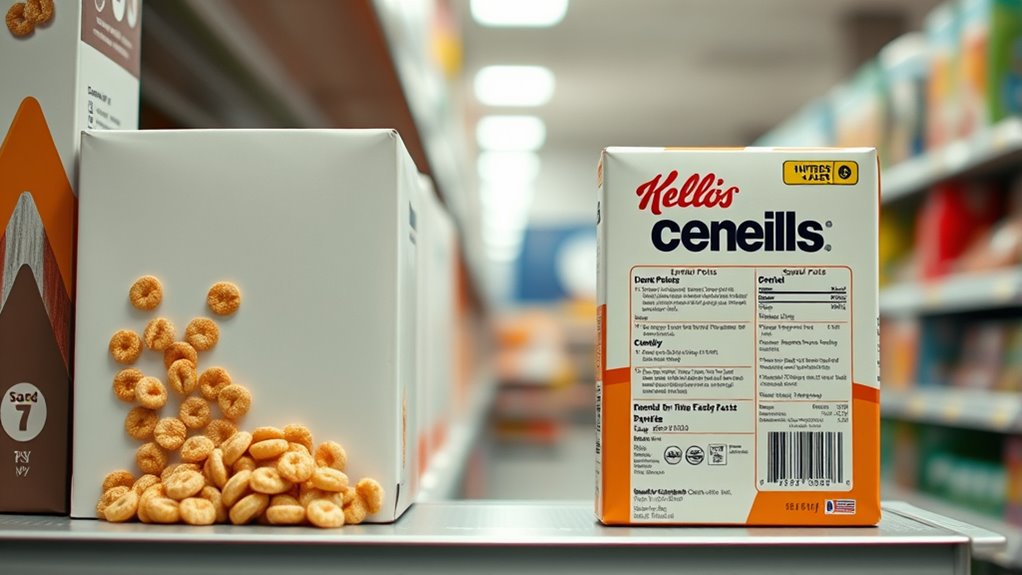
Have you ever noticed that your favorite snacks seem smaller but cost the same? It’s a common experience, and it’s not a coincidence. Many companies use packaging tricks to make products appear just as generous while actually reducing the amount inside. This tactic, called shrinkflation, is a subtle way for brands to cut costs without immediately raising prices, but it can leave you feeling shortchanged. Recognizing these packaging tricks can help boost your consumer awareness, so you’re not fooled into paying more for less.
Notice smaller snacks at the same price? Shrinkflation tricks make products seem bigger while reducing inside content.
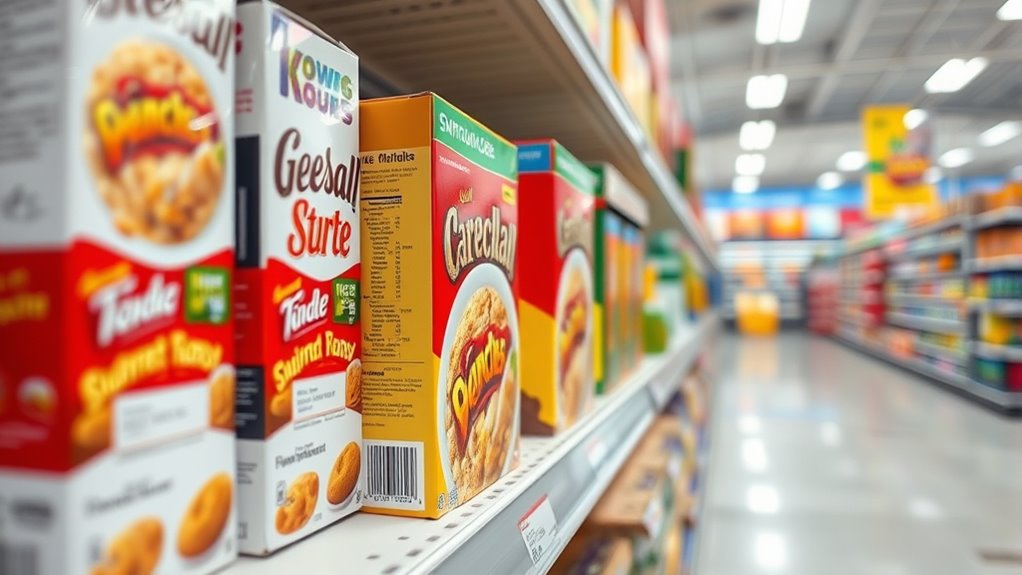
When you buy snacks, beverages, or household items, the packaging often remains unchanged, but the product inside gets smaller. Manufacturers know that consumers are less likely to notice a slight decrease in size if the packaging looks the same. They might reduce the weight, volume, or number of items in a package while keeping the label and branding intact. This way, you might think you’re getting the same value, but in reality, you’re paying the same price for less product. By understanding this, you can start to pay closer attention to the actual weight or quantity listed on the package.
Consumer awareness is key here. Instead of relying solely on packaging visuals, take a moment to look at the fine print. Check the weight, volume, or count listed on the label. If you notice the weight has decreased but the price remains the same, you’re experiencing shrinkflation firsthand. This awareness can influence your buying decisions, encouraging you to compare brands or choose larger sizes when available. Sometimes, companies increase the size of the packaging to make the product seem like a better deal, so always double-check the specifics before rushing to purchase.
Another trick brands use is changing the packaging design to make smaller portions look more appealing or substantial. They might use larger boxes or bags to hide the reduced amount inside. This visual deception is a form of packaging tricks designed to influence your perception of value. Being aware of these tactics helps you see past the marketing and focus on actual product quantity. Additionally, understanding the importance of proper labeling can help you spot inconsistencies that reveal shrinkflation. With heightened consumer awareness, you can decide whether the deal is worth it or if it’s better to buy in bulk or switch to a different brand.
In the end, understanding shrinkflation and recognizing packaging tricks empowers you as a consumer. It allows you to make informed choices, ensuring you get genuine value for your money. Don’t be swayed by clever packaging or marketing strategies—look at the facts, compare prices, and pay attention to the details. That way, you won’t get caught off guard by products that seem the same but are secretly smaller. Staying alert keeps your shopping smarter and your wallet happier.
As an affiliate, we earn on qualifying purchases.
Frequently Asked Questions
How Can Consumers Detect Shrinkflation Before Purchasing?
You can detect shrinkflation before buying by carefully examining packaging tricks and comparing prices. Look for subtle size differences or weight changes on labels, even if prices stay the same. Always check unit prices to see if you’re getting less for your money. By staying alert and doing quick price comparisons, you spot shrinkflation early, ensuring you make informed purchasing decisions and get better value in the long run.
Which Industries Are Most Affected by Shrinkflation?
Think of industries as chefs tweaking recipes with smaller portions but keeping the same price. Food and beverage sectors, personal care, and household products often use packaging size changes and clever pricing strategies to mask shrinkflation. You might notice less product for the same cost, making these industries most affected. Staying alert to packaging size and price shifts helps you spot these subtle changes and get better value.
Does Shrinkflation Impact Luxury and Essential Goods Equally?
Shrinkflation impacts essential goods more noticeably than luxury branding because consumers rely on them daily. You’ll see smaller packages or reduced quantities in essentials like food and hygiene products, which directly affects your budget. Luxury items, on the other hand, often maintain their volume or quality despite price changes, making shrinkflation less apparent. So, while both are affected, essential goods show the impact more clearly in your everyday purchases.
Are There Legal Regulations Addressing Shrinkflation Practices?
Shrinkflation is like a sneaky fox in the henhouse, but yes, there are legal regulations addressing it. Regulatory oversight varies by country, aiming to ensure transparency and fair practices. Companies must adhere to laws about legal compliance, such as clear labeling of product sizes and prices. While regulations exist, enforcement can be inconsistent, so staying informed helps you recognize when shrinkflation might be happening and hold companies accountable.
How Does Shrinkflation Influence Long-Term Consumer Trust?
Shrinkflation can erode your long-term trust in a brand because it impacts your price perception. When you notice smaller portions or reduced product sizes without clear communication, you might feel deceived, leading to a decline in brand loyalty. Over time, repeated experiences of shrinkflation make you less likely to stick with that brand, as you start questioning its honesty and value. Transparency is key to maintaining your trust.
As an affiliate, we earn on qualifying purchases.
Conclusion
Remember, “a penny saved is a penny earned.” As you navigate shopping aisles, stay aware of shrinkflation and compare products carefully. By paying close attention, you can spot smaller packages hiding behind larger ones and make smarter choices. Don’t let companies sneak changes past you—know your worth and get the most value for your money. Being informed is your best defense against losing out in the game of price and size.
As an affiliate, we earn on qualifying purchases.
As an affiliate, we earn on qualifying purchases.