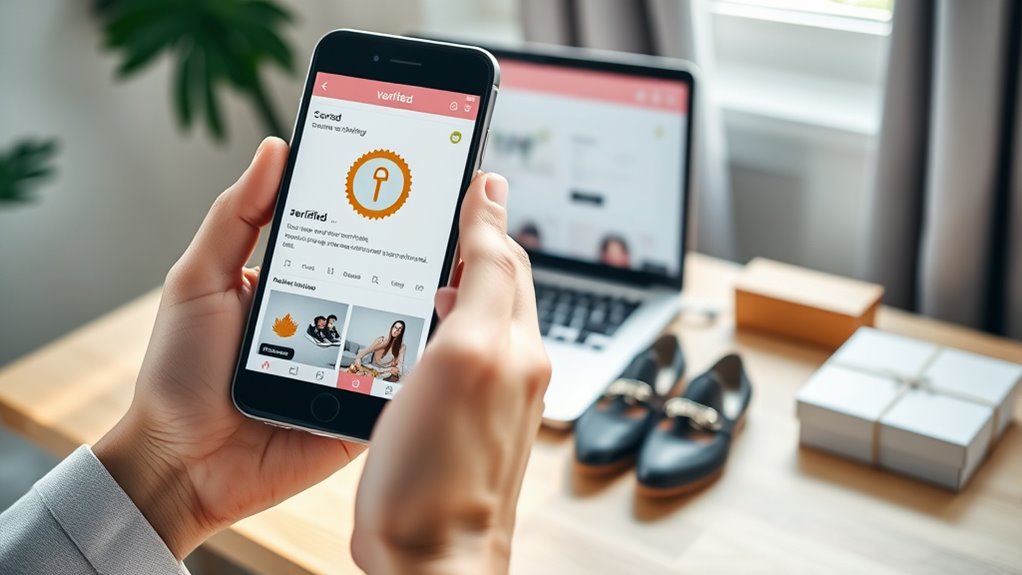

To avoid buying counterfeit products online, you should shop from trusted, verified sellers with good reviews and clear contact info. Verify product authenticity by examining images and requesting proof like receipts. Use secure payment methods such as credit cards or PayPal and check for “https” in checkout pages. Stick to reputable platforms with seller ratings, and be cautious of deals that seem too good to be true. Keep these tips in mind, and you’ll learn more to shop smarter.
Prime for Young Adults — start your free trial
Fast free delivery, streaming and member deals for eligible 18–24 year olds.
As an affiliate, we earn on qualifying purchases.
Key Takeaways
- Purchase from verified sellers with good reputation, reviews, and official contact details.
- Verify product authenticity through detailed descriptions, images, and proof of receipts or certificates.
- Use secure payment methods like credit cards or PayPal, avoiding direct bank transfers.
- Shop on trusted platforms with seller ratings and transaction history, avoiding new or unverified sellers.
- Stay informed about genuine products, conduct research, and prioritize buying from reputable sources.
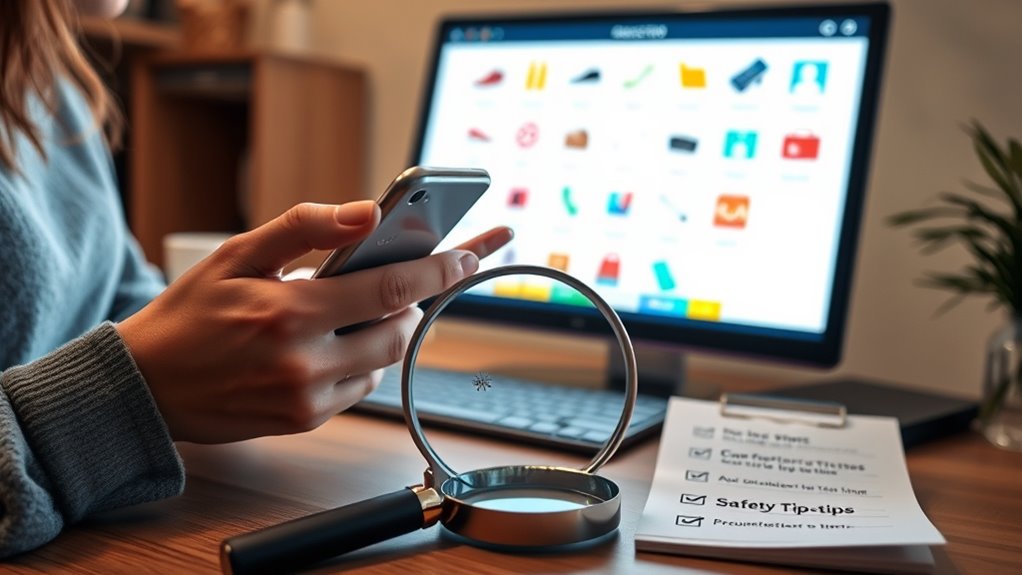
Are you aware of how easily counterfeit products can slip into your online shopping cart? It might happen more often than you realize, especially if you’re not cautious. To protect yourself, one of the best steps you can take is focusing on authenticity verification. Before clicking “Buy Now,” take a moment to research the seller and read reviews. Authentic sellers typically have a solid reputation, clear contact information, and verified badges. If a deal seems too good to be true, it probably is. Look for detailed product descriptions and high-quality images, which can be indicators of genuine items. When in doubt, compare prices on official brand websites or authorized retailers, as considerably lower prices could signal counterfeit products.
Be vigilant when shopping online; verify sellers and compare prices to avoid counterfeit products.
Another vital aspect is using secure payment methods. When shopping online, avoid direct bank transfers or wiring money, which leave you with little recourse if something goes wrong. Instead, opt for credit cards or reputable third-party payment services like PayPal. These methods often provide buyer protection, allowing you to dispute charges if you receive fake products. Always verify that the checkout page has a secure connection—look for “https” in the URL and a padlock icon. This encryption helps safeguard your financial information from cybercriminals, reducing the risk of fraud. Never save your payment details on suspicious websites or those without proper security measures, as this can expose you to identity theft.
Another tip is to stick to trusted online stores or marketplaces that have strict seller verification processes. Many popular platforms have systems in place to detect counterfeit sellers, but you should also remain vigilant. Check if the seller has a high rating, positive reviews, and a history of successful transactions. Be wary of new sellers with limited feedback, especially if their listings look too perfect or poorly written. When buying branded items, ask for proof of authenticity, such as original receipts or certificates of authenticity, whenever possible. These extra steps can help confirm the legitimacy of your purchase and prevent you from accidentally supporting counterfeiters.
Being aware of vetted products and their quality standards can also help you avoid counterfeit items. Ultimately, staying informed and cautious makes all the difference. Protect your financial information with secure payment methods, verify the authenticity of products through research, and buy from trusted sources. By doing so, you markedly reduce your chances of ending up with counterfeit products and ensure your online shopping experience remains safe and satisfying. Remember, a little extra effort up front can save you time and money in the long run, and help you enjoy genuine, high-quality items without worry.
Frequently Asked Questions
How Can I Verify a Seller’s Authenticity Before Purchasing?
You can verify a seller’s authenticity by checking seller reviews on trusted platforms to see previous buyers’ experiences. Look for authenticity certificates or badges that prove legitimacy. Contact the seller directly to ask questions about their products and policies. Be cautious of prices that seem too good to be true. These steps help guarantee you’re dealing with a reputable seller, reducing the risk of counterfeit products.
Are There Specific Signs That Indicate a Product Is Counterfeit?
They say, “If it’s too good to be true, it probably is.” Look for counterfeit indicators like poor craftsmanship, misspelled labels, or unusual packaging—these often signal a fake. Check the product’s details against official sources to verify authenticity. If prices are markedly lower than retail, or if seller reviews are suspicious, trust your instincts. Spotting these signs helps protect you from counterfeit products and ensures you get genuine quality.
What Should I Do if I Suspect I Bought a Fake Item?
If you suspect you’ve bought a fake item, report your suspicion to the seller immediately. Contact customer service and provide details or evidence of why you believe it’s counterfeit. Seek a refund if possible, and follow their instructions for returning the product. If the seller is unhelpful, consider reporting the issue to relevant consumer protection agencies or platforms to prevent others from buying fake products.
How Do Counterfeit Products Affect Consumer Safety and Health?
Imagine buying a seemingly perfect mask, only to find it’s poorly made and toxic. Counterfeit products threaten your safety and health, as they often contain harmful ingredients or poor quality materials. This can lead to product toxicity and allergic reactions, putting your well-being at risk. You might unknowingly expose yourself to dangerous substances, so always verify authenticity to protect yourself from these hidden hazards and stay safe.
Are There Legal Risks Associated With Buying Counterfeit Products?
Yes, there are legal risks when you buy counterfeit products. You could face legal consequences like fines or even lawsuits for infringing on intellectual property rights. Buying counterfeit items supports illegal activities and violates laws protecting brands and creators. To avoid these risks, always verify sellers and purchase from reputable sources. Staying cautious helps you stay within legal boundaries and supports legitimate businesses.
Conclusion
By staying vigilant and cautious, you can navigate the online marketplace like a seasoned sailor steering clear of treacherous waters. Trust your instincts, verify sellers, and scrutinize products as if you’re examining a hidden gem. Remember, the digital world is a vast ocean—some treasures are real, but others are just shiny shells. Keep your guard up, and you’ll sail smoothly, securing genuine finds while dodging the storm of counterfeit goods. Safe shopping, and happy sailing!
Fall yard work Picks
leaf blowers
As an affiliate, we earn on qualifying purchases.